Anthropic Files S-1: What Enterprise AI Maturity Means for the Gulf
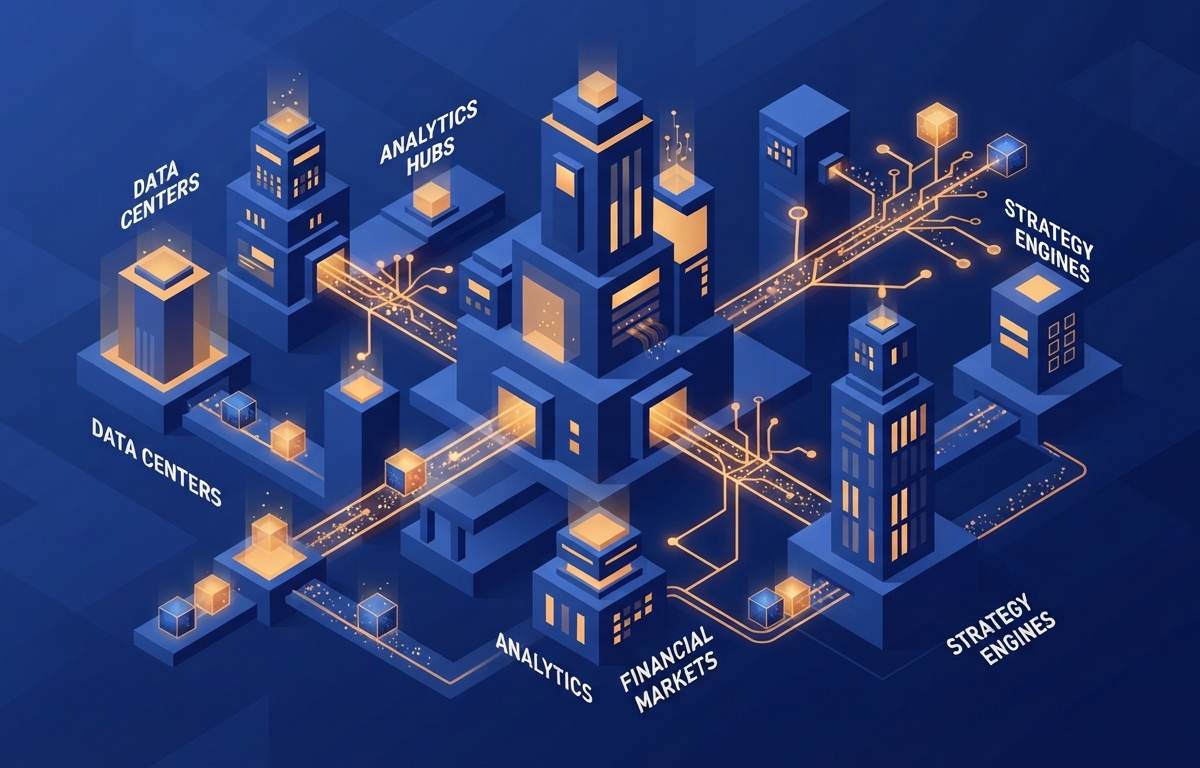
The formal filing of Anthropic's S-1 registration statement represents a watershed moment in the commercial evolution of generative artificial intelligence. As the developer of the Claude model family prepares for the public markets, the disclosure provides unprecedented transparency into the real economics of frontier AI, from infrastructure capital expenditures to enterprise contract retention. For institutional markets and corporate buyers alike, this milestone marks the formal transition of generative AI from speculative venture experimentation into a mission-critical, audited enterprise software category.
Beyond the financials, the filing underscores a clear enterprise preference for governance, safety, and operational reliability over consumer virality. Anthropic has built its reputation on constitutional AI and deterministic enterprise workflows, making its technology attractive to risk-sensitive sectors such as banking, legal services, and supply chain logistics. Large enterprises are increasingly abandoning fragmented third-party prompts in favor of deeply embedded AI agents capable of contextual reasoning, complex document synthesis, and automated code generation with strict data isolation.
This shift brings much-needed discipline to the broader digital transformation landscape. As the costs of high-performance compute and inference become standardized public benchmarks, the era of unmeasured AI pilot projects is coming to a close. Corporate boards and IT directors now demand measurable returns on investment, predictable cost structures, and vendor viability before authorizing the integration of foundation models into core enterprise resource planning and customer data workflows.
For business leaders and government entities across Oman and the wider Gulf, this maturation provides a solid foundation for accelerating digital economy goals under Oman Vision 2040 and regional transformation roadmaps. As local enterprises seek to deploy autonomous multilingual customer support, automated compliance monitoring, and intelligent logistics dashboards, partnering with or building upon enterprise-ready foundation models is no longer a high-risk gamble. The emerging financial stability of frontier model providers ensures that investments in bespoke digital applications, custom AI workflows, and localized software solutions will remain supported and scalable over multi-year operational cycles.
The strategic takeaway for Gulf executives is to move decisively from passive observation to active implementation. Organizations should immediately audit high-friction, repetitive business processes—such as billing reconciliations, public tender analysis, and cross-channel customer inquiries—and deploy specialized custom software integrated via robust APIs. By anchoring tailored local software solutions to battle-tested, enterprise-grade AI backbones, regional businesses can dramatically reduce operating overhead while maintaining total control over their data and client relationships.