
Scaling Last-Mile Impact: Lessons from Automated Distribution
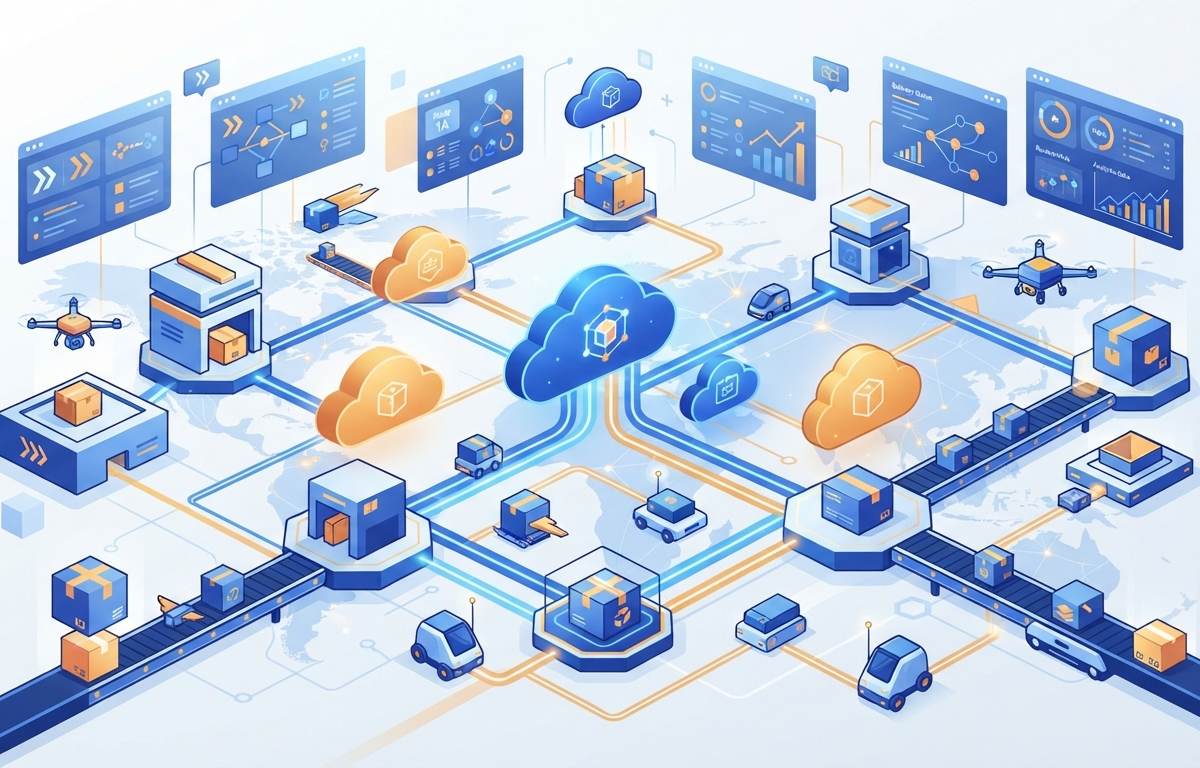
Dolly Parton's Imagination Library recently marked historic milestones, delivering hundreds of millions of books to children worldwide. While widely recognized as a philanthropic triumph, the program is equally an extraordinary case study in digital systems architecture. Beneath the public mission lies a tightly integrated digital logistics engine that coordinates local affiliates, publishers, and postal carriers seamlessly through centralized software.
The foundation of this scale is workflow automation and cloud database synchronization. Instead of maintaining sprawling local administrative offices, the program relies on intuitive digital partner portals. Community sponsors register recipients, track regional funding, and verify delivery addresses through unified web interfaces, while automated batching systems communicate directly with publishing supply chains and fulfillment hubs.
Globally, this model illustrates how modern enterprise software dissolves the barrier between physical logistics and digital governance. For non-profits, direct-to-consumer businesses, and public agencies alike, eliminating manual spreadsheets in favor of automated API integrations lowers overhead costs by orders of magnitude while drastically reducing human error in address verification and inventory dispatch.
For business owners, family offices, and public institutions in Oman and the GCC, this operational architecture offers a compelling blueprint. As regional governments accelerate education initiatives and national reading programs aligned with Vision 2040, manual distribution methods are no longer viable. Deploying custom cloud dashboards and automated fulfillment systems allows regional organizations to manage nationwide CSR campaigns or hybrid e-commerce logistics with minimal administrative friction.
The actionable takeaway for Gulf decision-makers is that scale is software-driven, not headcount-dependent. Whether launching an educational distribution network, scaling an SME retail venture, or digitizing public service delivery across remote governorates, investing in custom portal workflows, automated tracking, and data visibility ensures sustainable expansion without inflating operational costs.