
Xiaomi MiMo v2.6 Advances Lightweight Multimodal AI
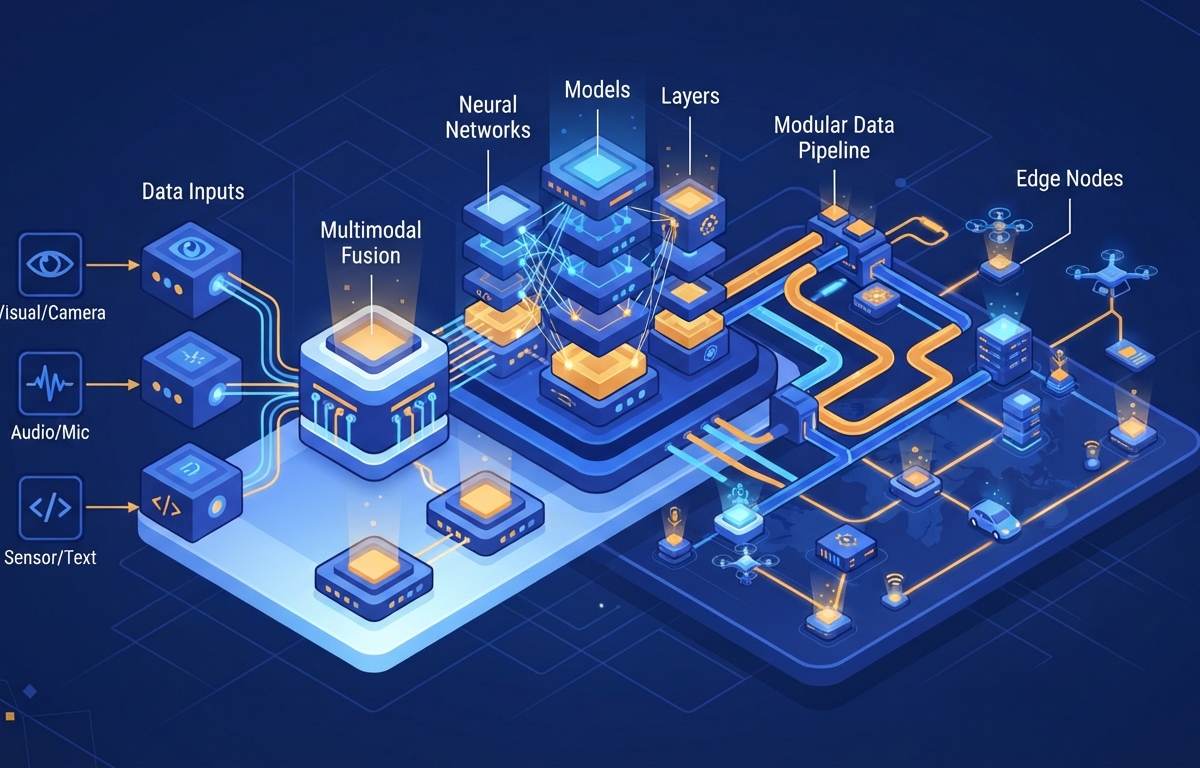
The artificial intelligence landscape is witnessing a decisive transition from purely massive cloud models to highly optimized, multimodal architectures designed for real-world business integration. Xiaomi has introduced MiMo v2.6, the latest iteration of its multimodal foundation model suite, focusing on enhanced reasoning, contextual document processing, and significantly improved inference efficiency. By refining how visual and textual data are processed simultaneously, the release reflects a broader industry movement toward lightweight models that maintain high precision without requiring unsustainable computational footprints.
Globally, the rollout of MiMo v2.6 addresses a pressing bottleneck for enterprise adoption: operational expenditure. While frontier models dominate headlines with raw parameter scale, commercial viability hinges on low latency, predictable API overheads, and the flexibility to operate across edge environments or private cloud clusters. Xiaomi's optimizations highlight how competitive model compression and architectural tuning can empower software developers to embed voice, visual inspection, and text-based reasoning directly into everyday hardware and operational workflows.
This trend represents a critical operational turning point for enterprises seeking sustainable digital transformation. Rather than routing sensitive proprietary workflows through public frontier models, organizations can now rely on lean architectures that run seamlessly within controlled virtual environments. The practical implication is faster response times for customer interactions, reduced bandwidth costs, and heightened data security across interconnected enterprise software ecosystems.
For business owners, startups, and public sector entities across Oman and the GCC, the emergence of lightweight multimodal AI models like MiMo v2.6 offers substantial strategic value. As organizations align their IT investments with Oman Vision 2040 and regional digital economy frameworks, localized data privacy and operational cost controls remain paramount. Leaner models enable Omani SMEs and government service departments to build intelligent customer service agents, automated invoice validation systems, and field inspection apps locally without massive infrastructure outlays.
Forward-thinking decision-makers in the Gulf should view this development as an opportunity to review their enterprise automation roadmap. Instead of treating AI as an expensive, standalone vanity project, businesses can integrate modular, on-premise or edge-ready intelligence into custom mobile applications and enterprise resource planning systems. Prioritizing efficient, task-specific multimodal tools allows regional enterprises to enhance customer satisfaction, protect sensitive customer data, and achieve a demonstrable return on their digital transformation investments.