
Why On-Premises Cloud Is the Next Big Step for Gulf Enterprise IT
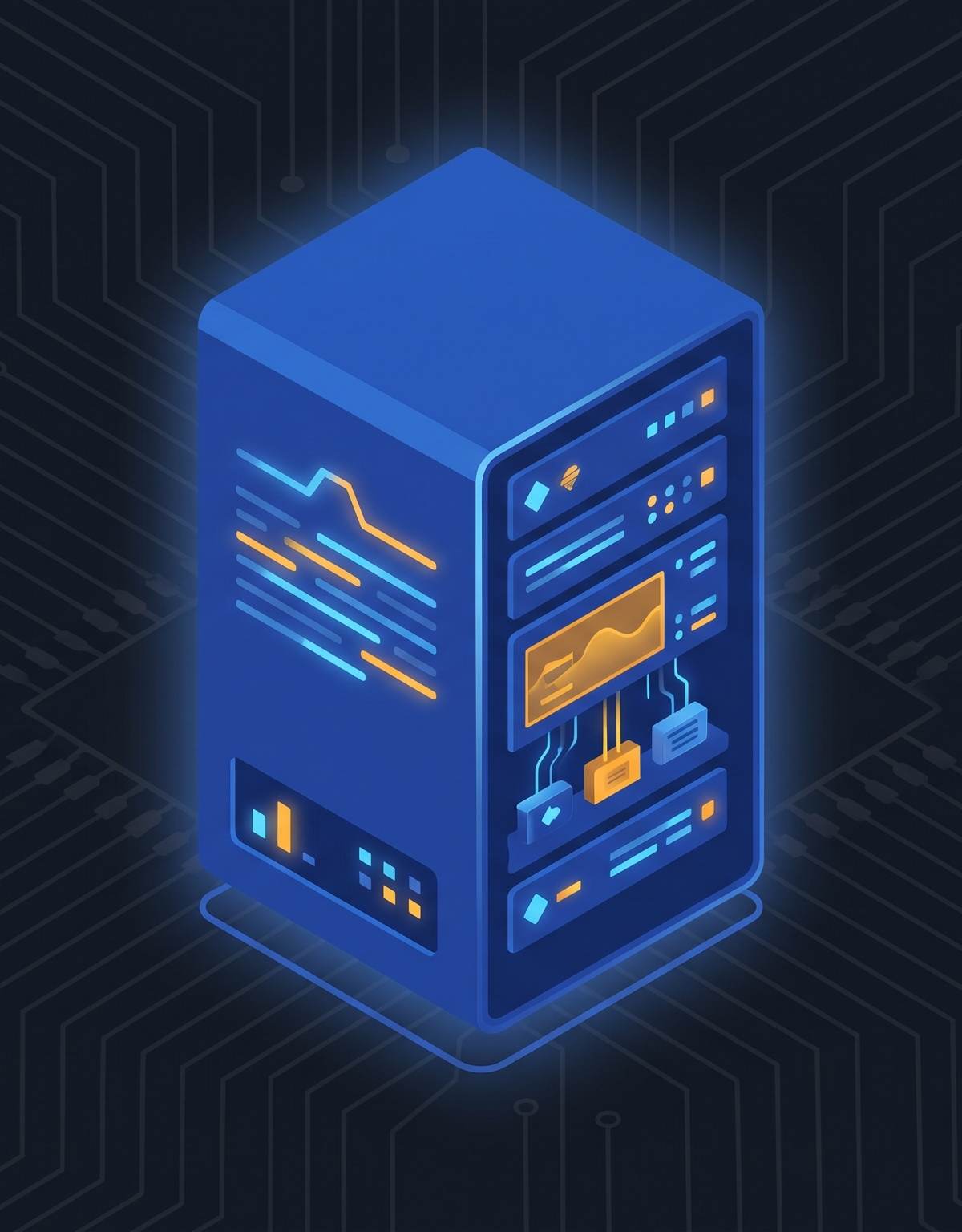
The tech industry is witnessing a major shift in how enterprise infrastructure is designed and managed. Companies like Oxide Computer are leading a quiet revolution by co-designing hardware and software into a unified, on-premises "cloud computer." This approach eliminates the traditional, messy silos of virtualization, networking, and storage, delivering the seamless developer experience of the public cloud directly inside a company's own physical data center.
Globally, this development matters because organizations are facing rising public cloud costs, unpredictable billing, and complex management overhead. By unifying the entire technology stack, businesses can deploy virtual resources instantly, automate complex operational workflows, and significantly reduce the size of the IT teams needed to keep systems running. It represents a move away from fragmented legacy hardware toward highly efficient, cohesive systems.
Beyond cost savings, unified on-premises infrastructure offers built-in cybersecurity and predictable performance. Traditional data centers require constant manual patching and configuration across different vendors, which often introduces security vulnerabilities. Integrated systems, on the other hand, receive unified, automatic updates and feature hardware-level security, making them highly resilient against modern cyber threats.
In Oman and the wider GCC, this technology aligns perfectly with the digital transformation goals of Oman Vision 2040. Strict national data residency laws and regulatory frameworks from the Ministry of Transport, Communications and Information Technology (MTCIT) restrict government agencies, financial institutions, and healthcare providers from hosting sensitive data on offshore public clouds. This next-generation local cloud infrastructure offers the perfect middle ground: the agility and speed of modern cloud computing combined with absolute local compliance.
For Omani business owners and IT decision-makers, the practical takeaway is clear. As you plan your digital transformation, look beyond the binary choice of slow legacy hardware or non-compliant public clouds. Investing in modern, integrated hybrid cloud architectures allows you to securely host custom AI chatbots, workflow automation platforms, and digital payment gateways locally, ensuring maximum speed, security, and compliance with Omani laws.