
Why Hardware is No Longer Just for Tech Giants
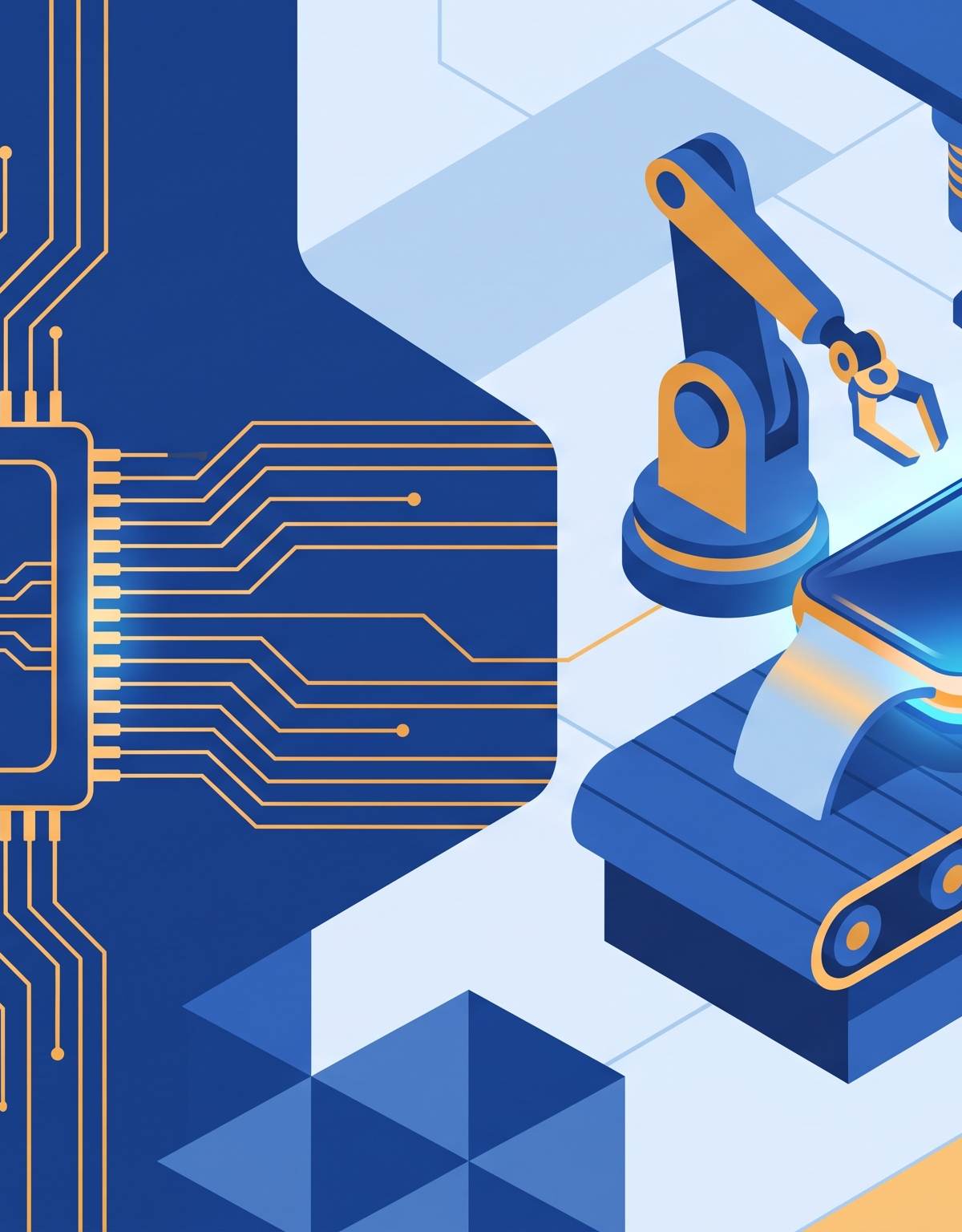
For decades, launching a physical hardware product was considered a high-risk venture reserved only for conglomerates with massive capital. However, a quiet revolution in global manufacturing, rapid prototyping, and on-demand circuit board fabrication has flipped this narrative. Today, small teams and solo entrepreneurs can design, produce, and distribute thousands of physical units globally with minimal upfront investment, proving that hardware development has become as agile as software.
This shift is driven by the rise of turnkey manufacturing platforms and accessible design software. Micro-factories can now handle small-batch production of custom electronics, 3D-printed enclosures, and automated assembly. Entrepreneurs no longer need to own factories; they can upload their schematics online, receive prototypes in days, and scale production seamlessly as demand grows, drastically reducing time-to-market and financial risk.
This democratization allows businesses to solve hyper-specific niche problems that large corporations overlook. From specialized industrial sensors to custom consumer gadgets, companies can iterate on physical products based on real-time user feedback. The integration of modern e-commerce platforms and global logistics networks means a garage startup can handle international distribution with the efficiency of an established retail giant.
For Oman and the wider GCC, this shift aligns perfectly with Vision 2040 and regional drives toward industrial localization and smart cities. Omani entrepreneurs and SMEs can leverage this accessible hardware ecosystem to develop custom IoT devices for logistics at the Port of Salalah, smart agricultural sensors for local farms, or specialized hardware for the energy sector. By combining custom hardware with local cloud platforms, Gulf businesses can build proprietary solutions rather than relying entirely on expensive foreign imports.
The strategic takeaway for Gulf decision-makers is to stop viewing hardware as a distant, capital-intensive industry. Business owners should look at their operational bottlenecks, whether in supply chain tracking, facility management, or customer experience, and consider how custom, small-scale hardware combined with tailored software can create a unique competitive advantage. The tools are ready, the entry cost is low, and the opportunity to lead in regional hardware innovation is wide open.