Demystifying Docker: Navigating Modern Cloud Complexity
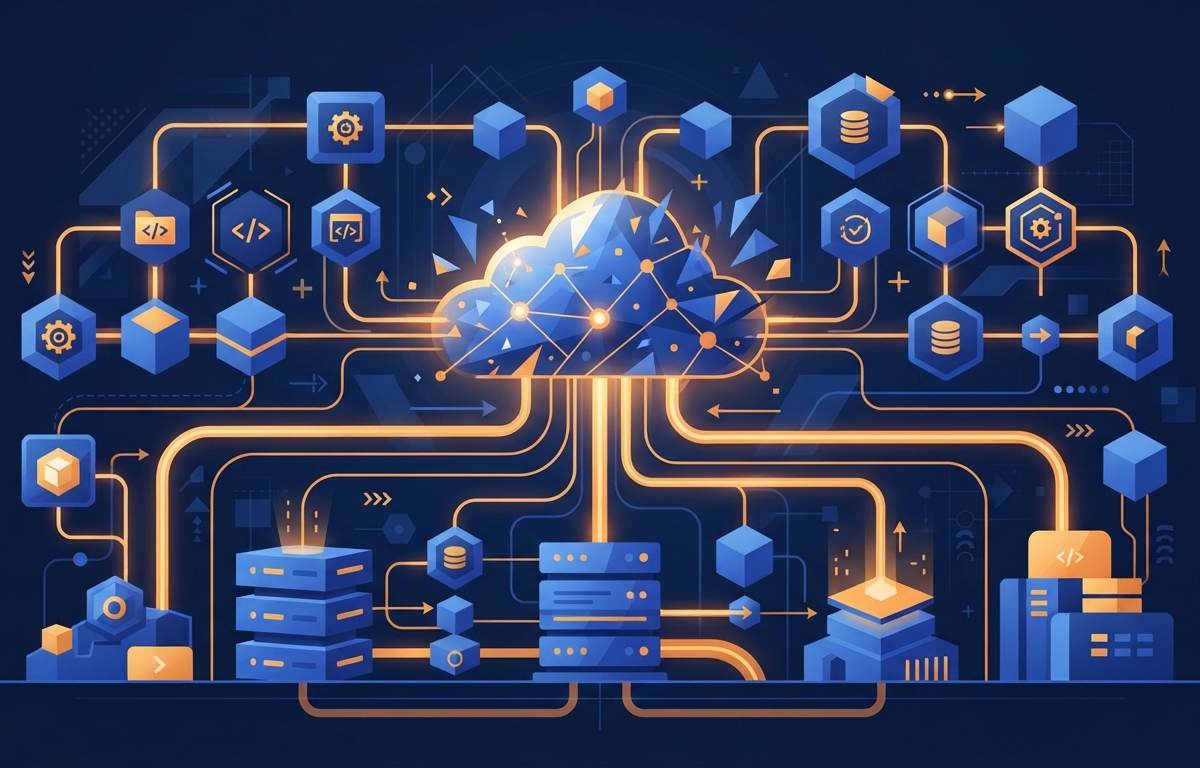
Docker fundamentally reshaped modern software delivery, turning containerization from an obscure operating system feature into an indispensable global standard for enterprise application deployment. Yet, as software teams push systems to scale, a growing consensus among engineers acknowledges that Docker is not the effortless solution it often appears to be. Beneath its intuitive command-line interface lie intricate layers of kernel primitives, virtual networking bridges, and file system drivers that can produce surprising and erratic behaviors when workloads expand.
The core operational challenge stems from common misconceptions about how containers function. Unlike traditional virtual machines that maintain isolated virtual hardware, containers share the host operating system kernel. Subtle quirks in process management, ephemeral storage limits, and background daemon networking can quietly trigger cascading system failures. When organizations overlook these mechanics, their live production environments experience unexplainable memory leaks, socket exhaustion, and unforeseen security vulnerabilities that can disrupt continuous digital operations.
From a financial and strategic standpoint, this architectural friction translates directly into inflated cloud bills and mounting technical debt. Businesses regularly migrate to containerized microservices expecting agility and cost reduction, only to discover that unoptimized container images and poorly tuned container orchestrators devour compute resources. Debugging container-level edge cases during critical service disruptions drains valuable engineering hours and strains commitments made to customers and partners.
For business owners and technology leaders across Oman and the GCC, this reality offers a valuable lesson amid widespread digital transformation under Oman Vision 2040. As regional enterprises, banks, and government agencies migrate mission-critical workflows into local cloud centers and hybrid environments, adopting containerization blindly can lead to operational bottlenecks. Whether launching a regional e-commerce engine, a customer service portal, or an automated backend, Omani businesses must emphasize disciplined cloud engineering, rightsized infrastructure, and rigorous local security reviews rather than relying on default software configurations.
Ultimately, containerization remains a vital foundation for modern digital infrastructure, but its business return depends entirely on architectural competence. Gulf organizations should pair their container investments with comprehensive monitoring tools, least-privilege security policies, and continuous infrastructure auditing. By approaching tools like Docker with operational realism rather than blind enthusiasm, enterprises can ensure their digital products are genuinely resilient, compliant, and cost-effective.