
Why Digital Transformation Demands Iteration Over Perfection
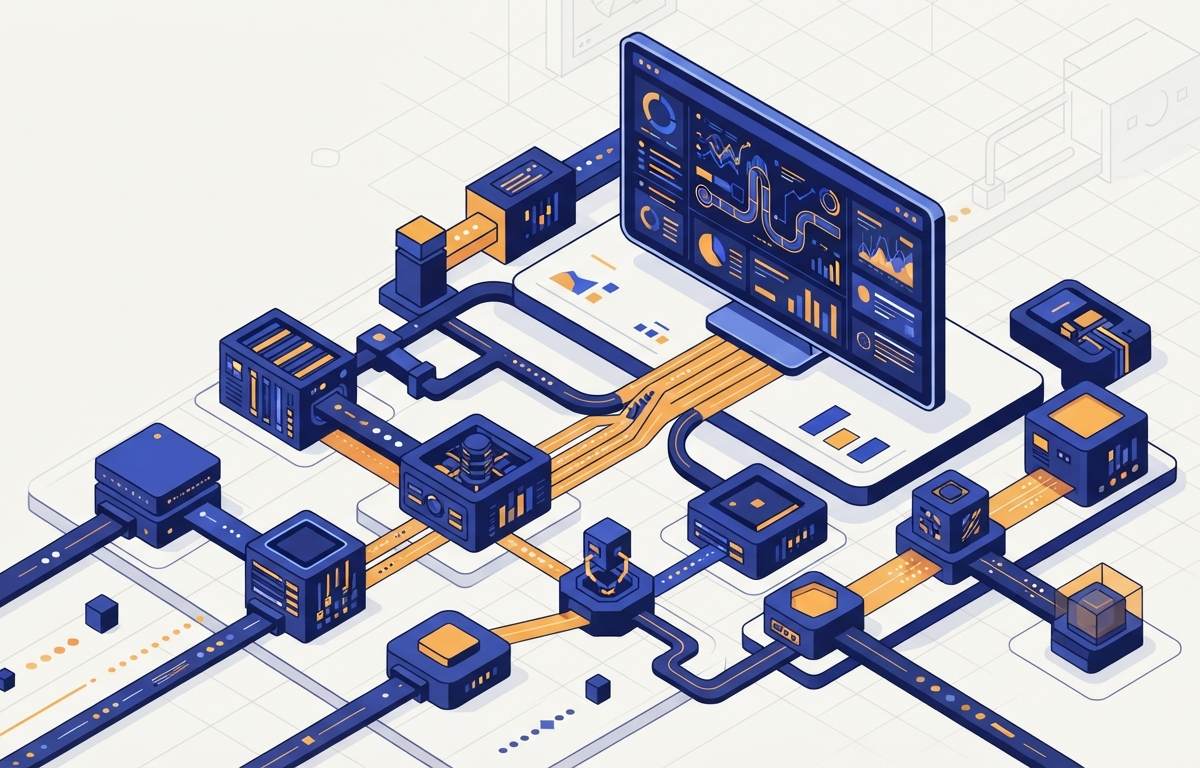
Renowned mathematician Terence Tao recently highlighted a fundamental truth about discovery: progress is not merely about producing a polished final proof, but about celebrating the heuristics, computational tools, failed drafts, and modular milestones along the way. In the realm of enterprise technology, this insight strikes directly at how organizations approach digital initiatives. Too many executives evaluate technological transformation strictly through monolithic, finished deployments, disregarding the exploratory systems that make meaningful innovation possible.
Globally, the emergence of practical artificial intelligence and modern software architecture has reinforced that rapid iteration is the definitive competitive edge. Forward-thinking enterprises do not wait for a perfect, end-to-end artificial intelligence model before going live. Instead, they cultivate operational environments where data preparation, lightweight testing, and incremental feature rollouts occur continuously. Viewing digital modernization as an evolving workflow rather than a static product launch drastically reduces project failure rates.
For commercial enterprises, deploying purposeful software follows this exact principle. Real operational efficiency comes from identifying specific internal bottlenecks, validating automated workflows through agile prototypes, and refining interfaces based on operational data. Whether building an internal management portal or integrating automated customer interactions, business value accumulates from incremental enhancements rather than protracted planning cycles.
In Oman and the wider Gulf, where Vision 2040 and regional economic strategies emphasize rapid digital transition, this approach delivers immediate utility. Rather than committing massive capital to rigid, off-the-shelf software packages that take years to configure, regional enterprises and government entities should prioritize modular, custom applications. Launching focused digital tools—such as bespoke analytics dashboards, automated procurement workflows, or agile e-commerce channels—delivers quantifiable returns quickly while equipping local teams with practical digital capabilities.
Ultimately, business leaders across the GCC must reframe how they measure technological success. By valuing the iterative process of digital transformation, including continuous data hygiene, tailored micro-automations, and phased deployments, organizations build the agility required to stay resilient in a competitive economic landscape. True innovation is an ongoing discipline, not a single destination.