
AI Exposes Legacy Code: Time to Pay Technical Debt
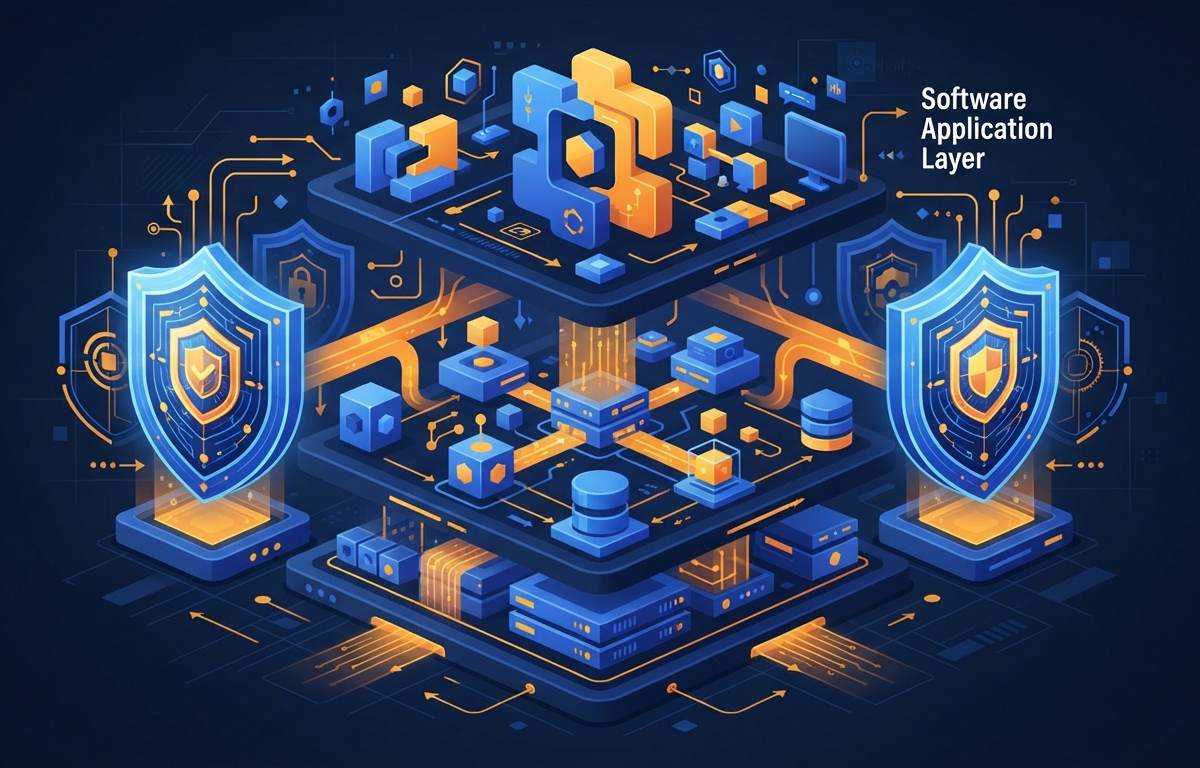
For decades, organizations postponed software refactoring, treating outdated legacy code as acceptable technical debt hidden behind firewalls and internal networks. Now, advances in generative AI and automated threat hunting are turning that quiet backlog into an acute vulnerability. Automated security tools can dissect complex codebases in seconds, systematically uncovering architectural flaws that have sat undetected for nearly forty years.
Recent vulnerability disclosures highlight how quickly automated agents can map application dependencies, trace unvalidated inputs, and execute exploits on historical script engines and libraries. Where human security researchers once required months of reverse engineering, AI systems now scan millions of lines of code effortlessly. This shifts the threat landscape fundamentally, lowering the barrier of entry for malicious actors to weaponize forgotten corners of enterprise software.
The strategic implications are clear: obscurity is no longer a viable defense. What corporate leaders previously treated as an internal maintenance convenience has become an active cybersecurity liability. Relying on superficial patches and peripheral firewalls to protect outdated core software fails when automated scanners can probe and compromise deep structural flaws within minutes. Organizations must pivot from reactive triage to proactive modernization.
Across Oman and the wider GCC, businesses and public entities undergoing rapid digitization under Vision 2040 frequently connect advanced mobile portals and customer platforms to legacy core systems built a decade or more ago. This architectural mismatch creates significant vulnerabilities. Regional decision-makers cannot afford to view digital modernization solely as a frontend refresh; outdated databases, unmaintained scripts, and deprecated plugins must be modernized to cloud-native standards to preserve business continuity.
For enterprise executives and growing SMEs in the Gulf, the actionable takeaway is immediate. Organizations should deploy modern code auditing tools to identify hidden risks, decommission legacy software dependencies, and invest in custom, secure software architectures. Addressing technical debt is no longer a discretionary IT upgrade; it is an essential commercial investment to protect digital assets in an automated threat era.