What a 20-Minute Multi-Billion Hack Teaches Gulf Business Leaders
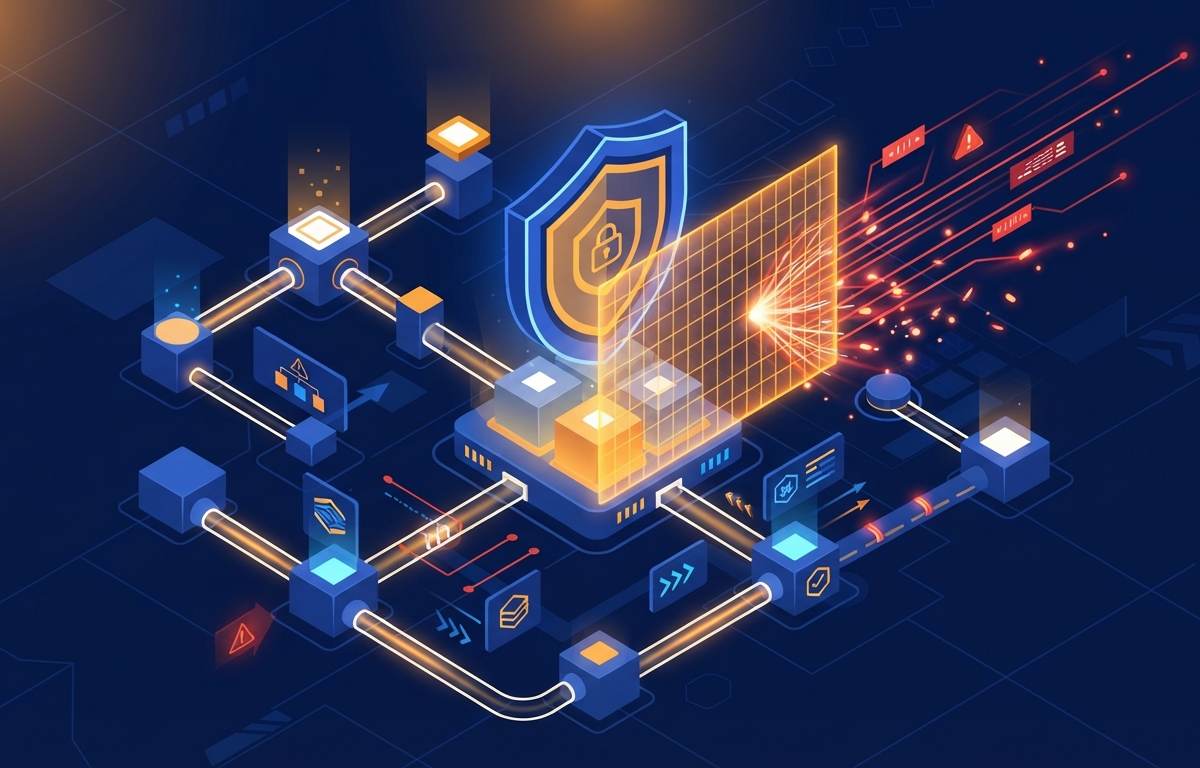
The revelation of how a sophisticated attacker executed a multi-billion-dollar exploit against major digital infrastructure in roughly twenty minutes highlights a fundamental shift in cyber warfare. The breach was not a drawn-out siege involving credential theft over months, but an algorithmic blitzkrieg exploiting a mathematical flaw in how transactions were verified between systems.
Globally, this incident exposes the expanding fragility of interconnected financial and cloud ecosystems. When organizations automate operations, build custom integrations, and connect digital payment pipelines, any undetected logic gap can be weaponized instantaneously. Attackers now deploy autonomous scripts that identify vulnerabilities, trigger millions in unauthorized transfers, and liquidate assets faster than any traditional internal security committee can convene.
For modern digital operations, the takeaway is clear: perimeter defenses and post-incident manual reviews are effectively obsolete against machine-speed threats. Real-time observability, rigorous code audits, and automated circuit breakers are no longer optional extras reserved for massive tech conglomerates; they are foundational business survival tools for any organization managing transactional data.
Across Oman and the wider Gulf, financial institutions, fintech startups, and expanding e-commerce merchants are racing toward Vision 2040 digital economy goals. As local businesses integrate open banking APIs, custom mobile payment gateways, and automated backend enterprise software, they inherit identical systemic risks. An Omani enterprise processing high-volume transactions must embed strict transaction rate limits, smart anomaly detection, and cryptographic integrity checks into their core software architecture from day one.
Leadership teams throughout the region must treat cybersecurity not as an IT cost center, but as a strategic continuity safeguard. Investing in secure software development standards, conducting external penetration tests before launching customer-facing apps, and deploying automated safeguards that halt suspicious behavior within milliseconds is the only way Gulf businesses can innovate safely in an increasingly automated threat landscape.