The AI Productivity Paradox: Why Workloads Are Surging
When generative artificial intelligence swept into corporate boardrooms, it arrived with a compelling promise: automations that would collapse forty-hour workweeks into effortless afternoons. Yet, across global enterprises, an unexpected paradox is emerging. Rather than liberating professionals, the rapid proliferation of artificial intelligence tools has often increased daily workloads, splintering attention across a chaotic sprawl of AI assistants, synthetic summaries, and endless revisions.
This dilemma is rooted in a classic economic principle known as the Jevons paradox: as the cost of producing an asset or draft plummets, demand for it accelerates exponentially. Because writing an email, generating code, or assembling a presentation now takes seconds, organizations are producing vastly more digital noise. Workers spend hours prompting models, fact-checking hallucinations, and synthesizing machine-generated clutter, effectively shifting their role from strategic creators to high-speed quality assurance managers.
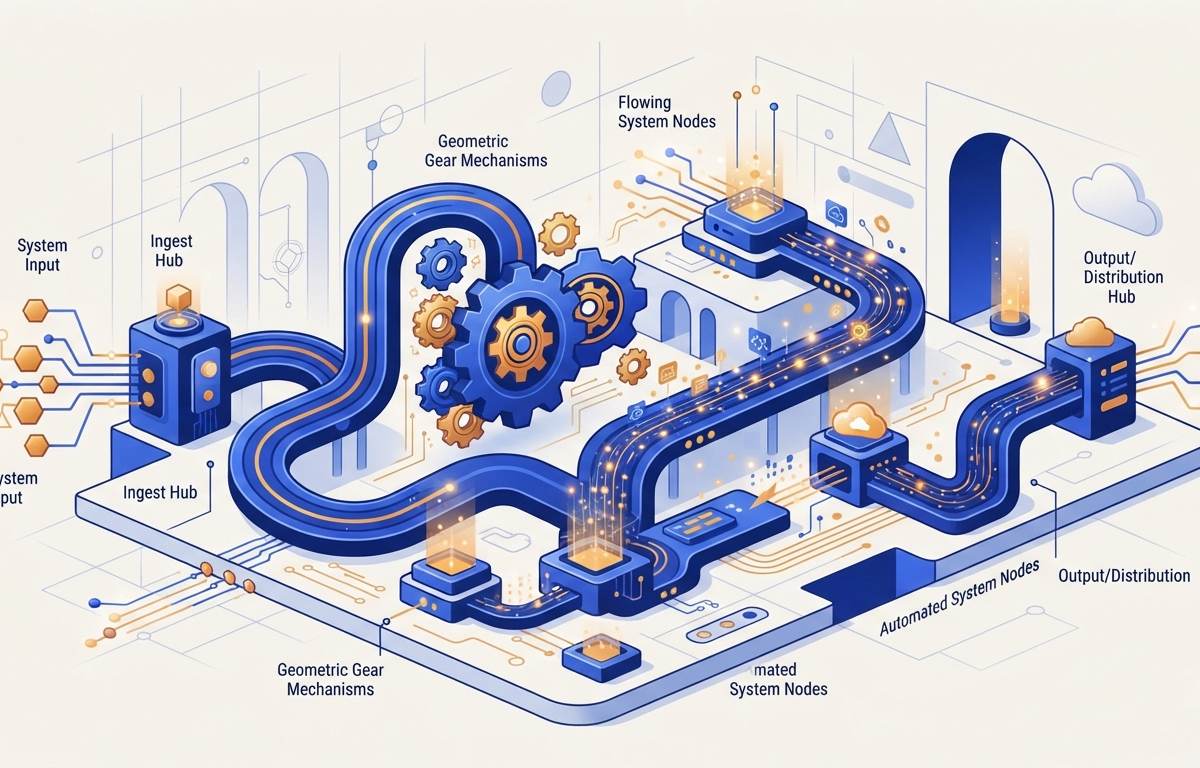
The hidden cost of this shift is cognitive fragmentation. When individual employees adopt ad-hoc tools without a unified enterprise architecture, data becomes siloed, workflows stall at integration boundaries, and business owners face operational fatigue rather than streamlined throughput. Speed without systemic integration does not produce leisure; it merely accelerates administrative churn.
For business owners, government entities, and tech startups across Oman and the GCC, this dynamic offers a critical strategic lesson. As the Sultanate accelerates towards Oman Vision 2040 goals through digital economy investments, deploying off-the-shelf generative assistants without clear operational integration is an expensive trap. Regional SMEs cannot afford to burn out their talent managing disjointed digital assistants; genuine competitive advantage comes from targeted systems engineering.
The actionable path forward lies in custom automation over novelty tools. Instead of subscribing teams to isolated conversational chatbots, Gulf decision-makers should invest in bespoke digital workflows, connected enterprise resource platforms, and unified data pipelines that automate transactional back-office tasks natively. By building structured software solutions that quietly eliminate friction—such as automated invoice matching, unified omnichannel customer support routing, and localized ERP dashboards—businesses achieve measurable cost savings without burdening their human workforce.