Malicious LiteLLM Release Exposes AI Supply Chain Risks
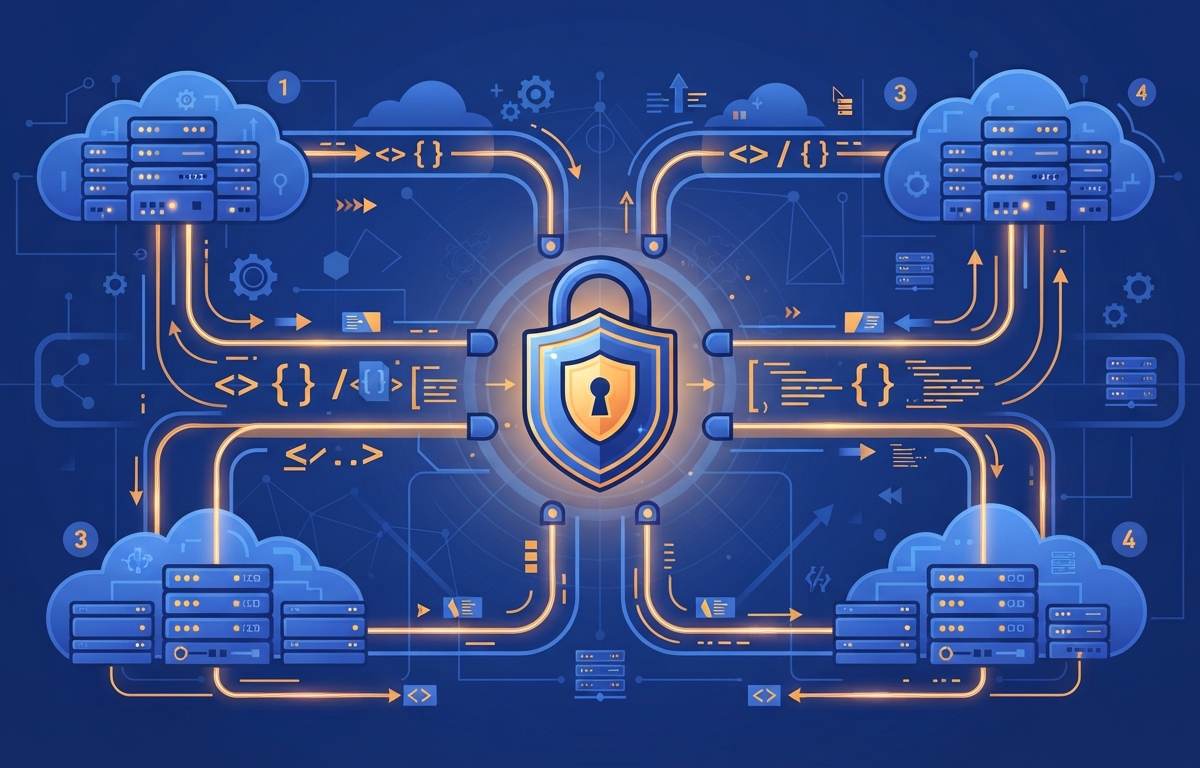
Security researchers recently uncovered a serious software supply chain attack targeting LiteLLM, a widely adopted open-source Python library designed to streamline connections between applications and artificial intelligence models from providers like OpenAI and Anthropic. Version 1.107.0, briefly distributed on the official Python Package Index, was found to contain malicious code engineered to harvest developer credentials and install a persistent backdoor into connected execution environments.
The compromised package specifically targeted sensitive developer secrets, including cloud access keys, database passwords, and API credentials stored in local environment variables. By gaining unauthorized access to the package repository, attackers demonstrated how quickly unvetted dependencies can infiltrate enterprise systems, turning a common developer shortcut into an invisible corporate vulnerability before the compromised release was detected and removed.
Globally, this incident highlights an accelerating shift toward attacking the artificial intelligence software supply chain. As companies worldwide rush to deploy generative AI pipelines and autonomous software agents, third-party middleware and developer connectors have become primary attack vectors. Cybercriminals now target these open-source building blocks to secure deep, administrative access to enterprise cloud environments while evading conventional perimeter network defenses.
For businesses, government entities, and digital startups across Oman and the GCC, this breach serves as an urgent wake-up call. As regional organizations accelerate digital transformation under Oman Vision 2040 by developing custom AI assistants and workflow automations, technical teams cannot rely on the implicit trust of public code repositories. Automatically installing external updates without verification exposes operational infrastructure and proprietary data to severe disruption.
Business owners and technology leaders must establish proactive software governance to protect their core operations. Organizations should implement private package mirrors, enforce strict version pinning, and conduct automated dependency scanning within their continuous deployment pipelines. By pairing modern AI innovation with rigorous cloud credential isolation, regional enterprises can capitalize on the efficiency of artificial intelligence without jeopardizing digital resilience.