Smartphone Data Wipe Incident Highlights Enterprise Mobile Device Risks
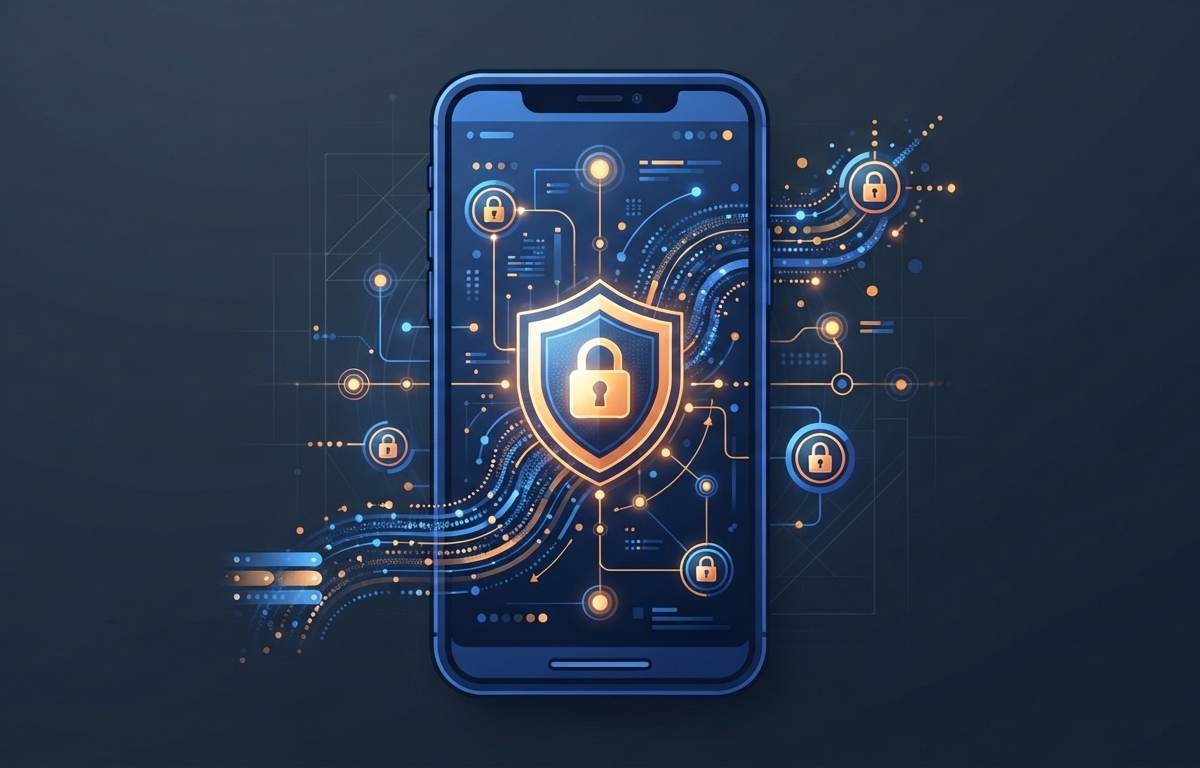
A recent criminal case in the United States involving a privacy-focused smartphone operating system has brought critical endpoint security issues into the spotlight. Federal prosecutors charged an individual after his device, running GrapheneOS, executed an automated system wipe while under law enforcement inspection. The operating system, designed specifically for heightened privacy and hardware-level encryption, automatically purged all stored data when security triggers were activated during physical handling.
This development underscores an escalating technical tension between sophisticated data protection features and legal regulatory requirements. Privacy-centric operating systems offer aggressive defense mechanisms, such as duress PINs, automated reboots, and timed memory wipes. While these features effectively safeguard sensitive personal information against unauthorized digital extraction, they can create unintended compliance and legal liabilities when devices interact with official regulatory procedures.
For corporate IT leaders and cybersecurity officers globally, the incident serves as a crucial case study in mobile device governance. As executives and field employees routinely carry sensitive corporate data on personal or hybrid mobile devices, relying solely on consumer-grade privacy tools or unmonitored custom operating systems introduces unpredictable operational risks. True enterprise security requires structured administrative control rather than complete, autonomous device destruction.
In Oman and the wider Gulf region, where digital transformation initiatives under Vision 2040 are accelerating mobile workforce adoption, this incident carries immediate practical implications. GCC government bodies and private enterprises are expanding remote access to confidential systems and digital services. Allowing employees to access corporate networks via custom or unmanaged privacy OS environments exposes organizations to regulatory penalties under regional frameworks, such as Oman’s Personal Data Protection Law, alongside potential loss of critical corporate assets.
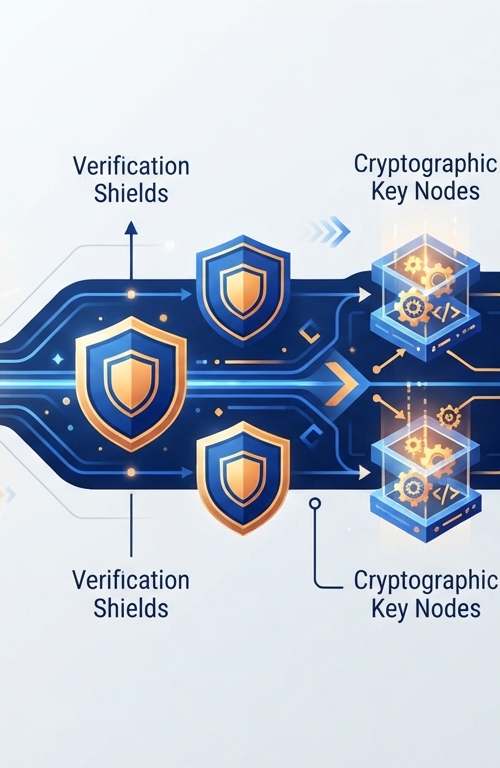
To mitigate these risks, decision-makers across the Sultanate must transition from informal mobile access policies to centralized Enterprise Mobility Management solutions. Businesses should implement clear Bring Your Own Device rules, mandate remote-wipe capabilities controlled exclusively by corporate IT administrators, and enforce strict data retention protocols. Partnering with professional technology providers to deploy managed mobile security ensures that regional enterprises protect confidential assets while remaining fully compliant with local governance standards.