
Apple Debuts Cryptographic System to Verify Authentic Photos
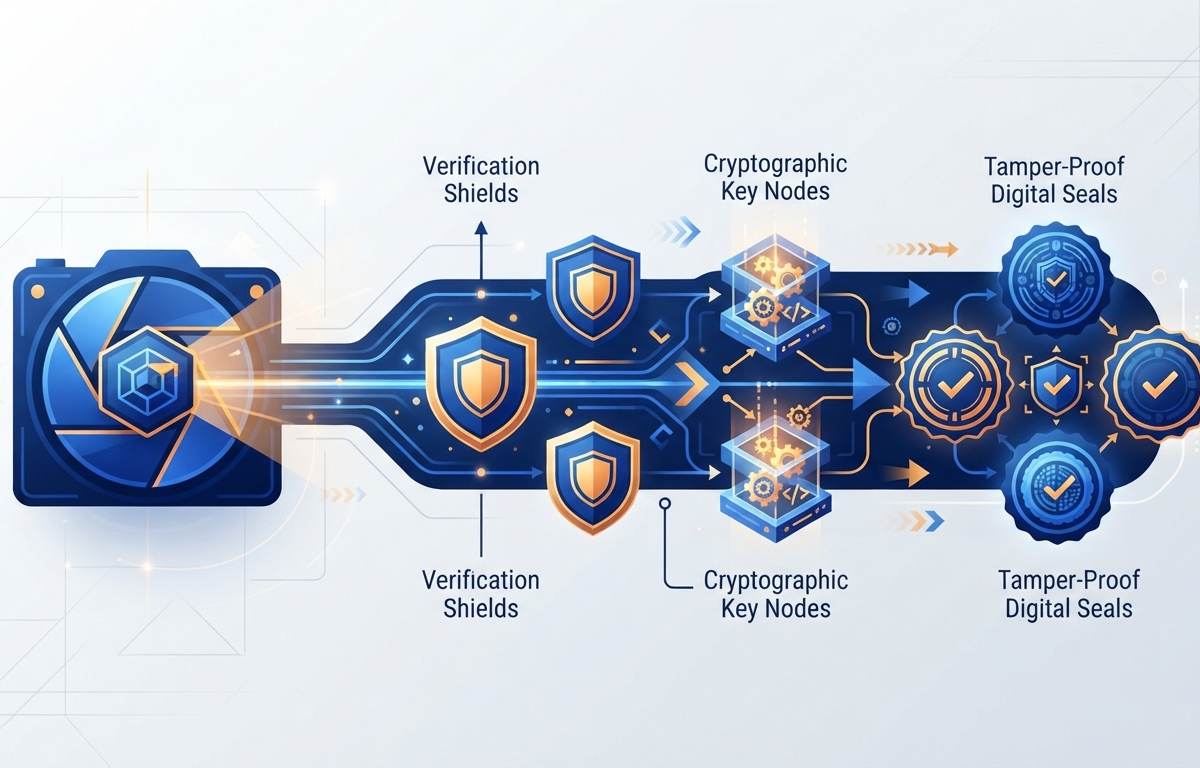
Apple has published groundbreaking research introducing Apple Reference Image, an advanced cryptographic framework engineered to establish verifiable provenance and authenticity for digital photography directly from the camera sensor. The system addresses the escalating challenge of synthetic media by embedding tamper-proof cryptographic proofs at the moment an image is captured, allowing platforms to confirm that a picture reflects genuine physical reality without exposing sensitive metadata or user identity.
Globally, this innovation marks a pivotal shift in cybersecurity and digital media integrity. As generative artificial intelligence tools become capable of generating hyper-realistic synthetic imagery on demand, organizations worldwide face severe challenges in authenticating digital evidence, journalistic photography, and identity documents. Apple's architecture combines hardware-level attestation with perceptual hashing algorithms, creating a durable foundation that resists image compression, format conversion, and bad-faith manipulation across distributed networks.
Unlike traditional metadata structures such as EXIF, which can be easily stripped, falsified, or rewritten by threat actors, Apple Reference Image operates at the silicon level. By shifting image trust verification to cryptographically signed data generated by certified camera modules, the standard enables enterprise systems, independent platforms, and verification engines to deterministically evaluate whether an asset has been digitally fabricated or altered.
For businesses and government entities in Oman and across the Gulf Cooperation Council, this technology offers substantial operational relevance. As regional organizations accelerate paperless initiatives and automated onboarding under frameworks like Oman Vision 2040, sectors such as banking, insurance, and public administration increasingly rely on mobile-captured images for identity verification and claim processing. The rise of sophisticated deepfakes threatens automated customer onboarding and remote asset assessments, creating an urgent operational need for cryptographically verified photography that eliminates document fraud.
Business leaders and software architects in the Gulf should consider integrating emerging cryptographic attestation protocols into their custom mobile apps, customer portals, and internal workflows. Adopting verified media standards enables regional enterprises to automate fraud detection, reduce manual compliance overhead, and safeguard customer trust as local commercial operations transition permanently toward intelligent digital ecosystems.