Offline AI: The Rise of Resilient, On-Device Intelligence
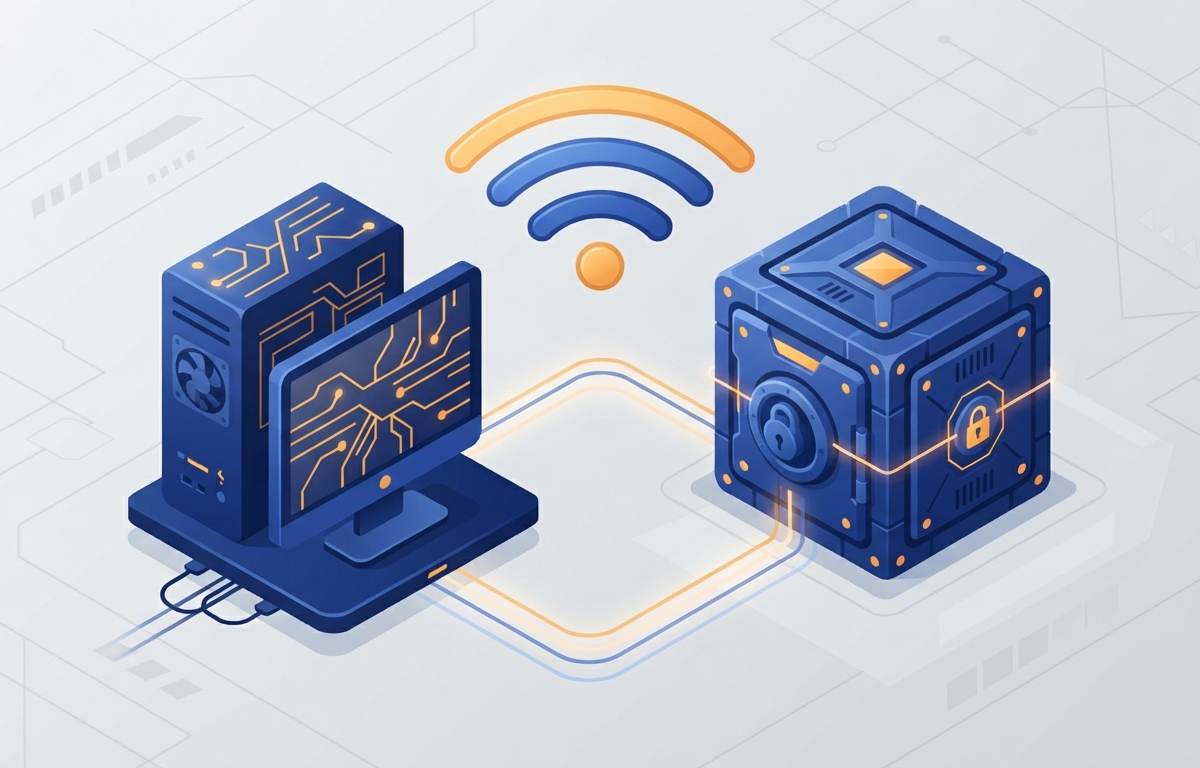
The emergence of standalone offline systems such as Survival LLM marks a notable evolution in enterprise artificial intelligence. By packaging specialized knowledge libraries alongside compressed neural models that execute entirely on local hardware, this architecture enables users to query deep technical documentation, troubleshoot mechanical issues, and run analytical routines without transmitting a single byte over the public internet.
Globally, this movement highlights the rapid maturation of small language models and hardware-level quantization. For years, the prevailing consensus dictated that meaningful artificial intelligence required massive cloud infrastructure and recurring subscription bandwidth. Today, efficient algorithmic design allows standard workstation hardware to deliver rapid, private inference, challenging the assumption that digital transformation must always tether an organization to centralized hyperscalers.
Beyond cost management, offline AI addresses critical vulnerabilities surrounding operational continuity and data security. Enterprises that rely exclusively on cloud platforms remain susceptible to connectivity blackouts, international subsea cable disruptions, and accidental data exposure. Deploying localized intelligence builds an immediate fail-safe mechanism, ensuring that essential technical guidelines, emergency procedures, and institutional memory remain instantaneously accessible under any external circumstance.
For businesses across Oman and the GCC, this operational model holds transformative value for heavy industry, maritime operations, and natural resource extraction. In concession areas across the Omani interior such as Fahud or Marmul, as well as offshore platforms and desert logistics routes, satellite and cellular coverage can be costly or intermittent. Custom on-device AI assistants allow field engineers to diagnose mechanical failures, verify industrial safety protocols, and consult operational manuals directly from ruggedized local laptops without waiting for a cloud connection.
Furthermore, this localized paradigm dovetails with regional compliance priorities, notably the Oman Personal Data Protection Law and broader GCC data governance standards. Organizations can automate internal knowledge discovery while keeping sensitive intellectual property, operational logs, and trade secrets strictly within their physical premises. IT leaders and business owners across the region should actively assess edge-capable models, integrating localized intelligence into their business continuity plans as a cost-effective hedge against external disruptions.