Smart Tourism: Turning Scenic Road Amenities into Digital Assets
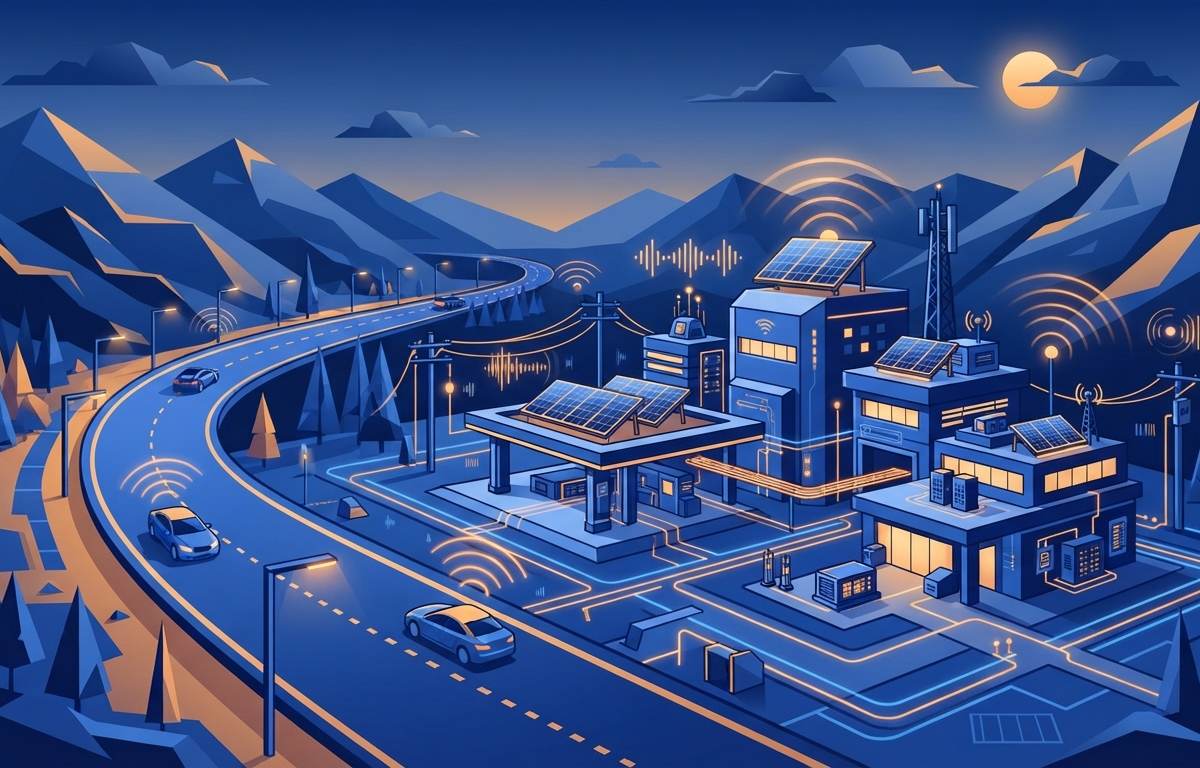
Norway’s celebrated Scenic Routes have gained international acclaim not merely for dramatic fjords, but for transforming basic roadside utilities into architectural destinations. By investing heavily in the aesthetic and operational quality of public rest stops, the country proved that even modest transit infrastructure can significantly elevate national tourism branding and disperse visitor footfall across remote regional economies.
Beyond architectural flair, modern transit corridors globally are now undergoing an operational revolution driven by digital technologies. Advanced roadside amenities today incorporate IoT-based facility management, solar-powered environmental sensors, automated sanitation monitoring, and low-power wide-area network connectivity. These digital layers turn isolated service points into responsive, data-driven nodes that reduce maintenance costs while ensuring consistent service levels.
The intersection of physical design and digital oversight represents a massive opportunity for the global hospitality and travel sector. Real-time data dashboards enable municipal authorities and concessionaires to track foot traffic, manage utility consumption, and trigger predictive maintenance tickets before travelers ever experience a disruption. By treating remote amenities as connected digital assets, operators maximize return on infrastructure capital.
For Oman and the broader Gulf region, where tourism diversification is central to Vision 2040, this model holds profound practical implications. As authorities develop scenic highways through Dhofar, Jabal Akhdar, and coastal routes, integrating smart facility management software is critical. Omani logistics operators, property tech startups, and tourism developers can leverage automated IoT monitoring and mobile-first traveler platforms to maintain pristine roadside amenities across thousands of kilometers of arid terrain.
Regional municipal leaders and private concessionaires should view smart infrastructure as an investment in tourist retention rather than an operational burden. Partnering with local software studios to deploy automated facility alerts, digital feedback kiosks, and route-planning mobile apps transforms vast driving corridors into seamless digital experiences. Investing in intelligent maintenance infrastructure today ensures Gulf destinations uphold the premium reputation demanded by international travelers.