
How Spatial Computing is Transforming Physical Environment Management
Recent developments in spatial computing are proving that high-end headsets like the Apple Vision Pro offer far more than immersive entertainment. Innovative developers are demonstrating how these devices can map physical environments in real time, creating persistent digital overlays that track physical objects, streamline maintenance routines, and anchor contextual data to real-world locations. This marks a pivotal shift from consuming virtual media to actively enhancing physical spaces through software.
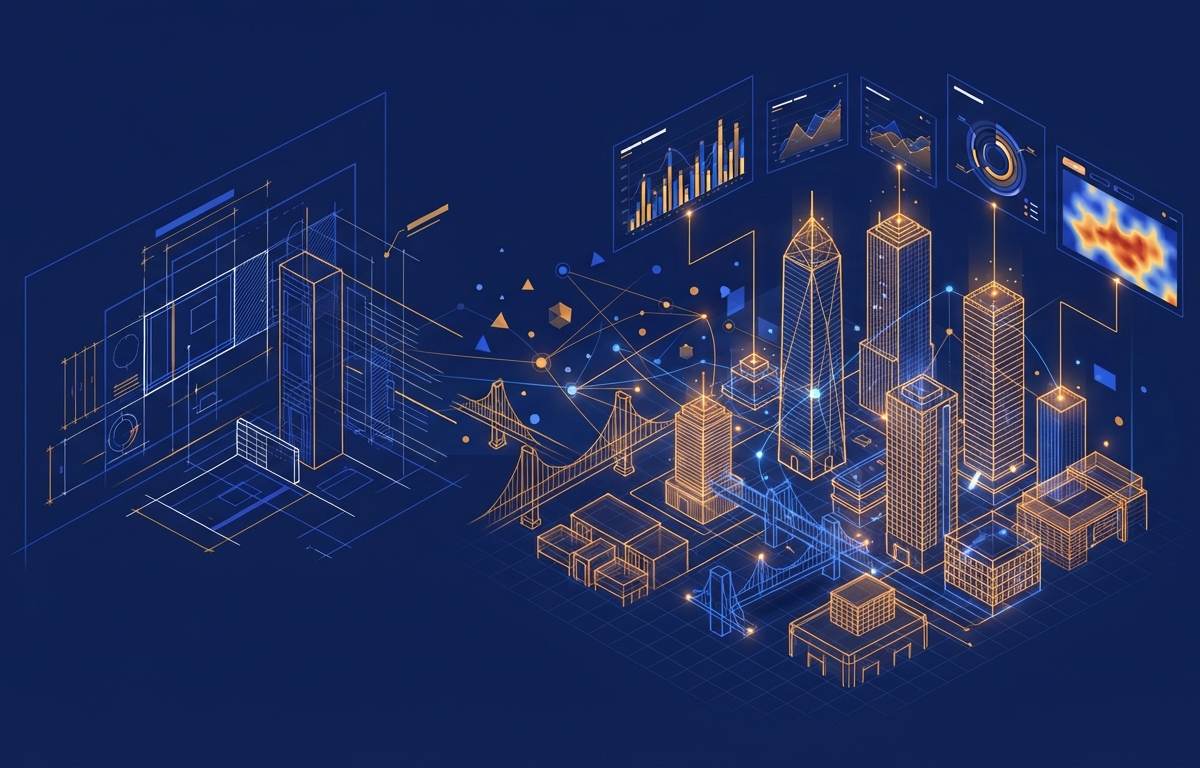
At the core of this evolution is the practical implementation of digital twins—virtual replicas of physical structures updated continuously with live data. By combining spatial awareness with intuitive gesture tracking, users can interact with real-world infrastructure through contextual dashboards floating in mid-air. What was once confined to complex enterprise software is now becoming accessible through intuitive spatial user interfaces.
Globally, this shift is forcing industries to rethink workflow automation. Facilities management, architectural planning, high-end retail, and logistics are moving away from flat 2D screens toward interactive 3D environments. By embedding operational data directly into physical layouts, organizations can significantly reduce human error, accelerate staff training, and automate inventory tracking with unprecedented accuracy.
For businesses and government entities across Oman and the broader Gulf region, spatial technology presents an immediate strategic opportunity. As Oman Vision 2040 drives massive investment in smart cities, luxury real estate, tourism, and modernized industrial zones, spatial apps offer a powerful tool for facility management and customer engagement. Omani real estate developers and retail operators can deploy custom spatial interfaces to give clients virtual walk-throughs or streamline complex facility inspections across vast commercial properties.
Enterprise decision-makers in the GCC should view spatial computing not as a futuristic novelty, but as an evolution of digital transformation. Investing in custom mobile apps, IoT integrations, and 3D spatial visualizers today prepares organizations for a hands-free operational future. Forward-thinking companies that begin building spatial data layers now will secure a distinct competitive advantage as hardware becomes lighter and more accessible.