How AI-Driven Code Review Accelerates Enterprise Software
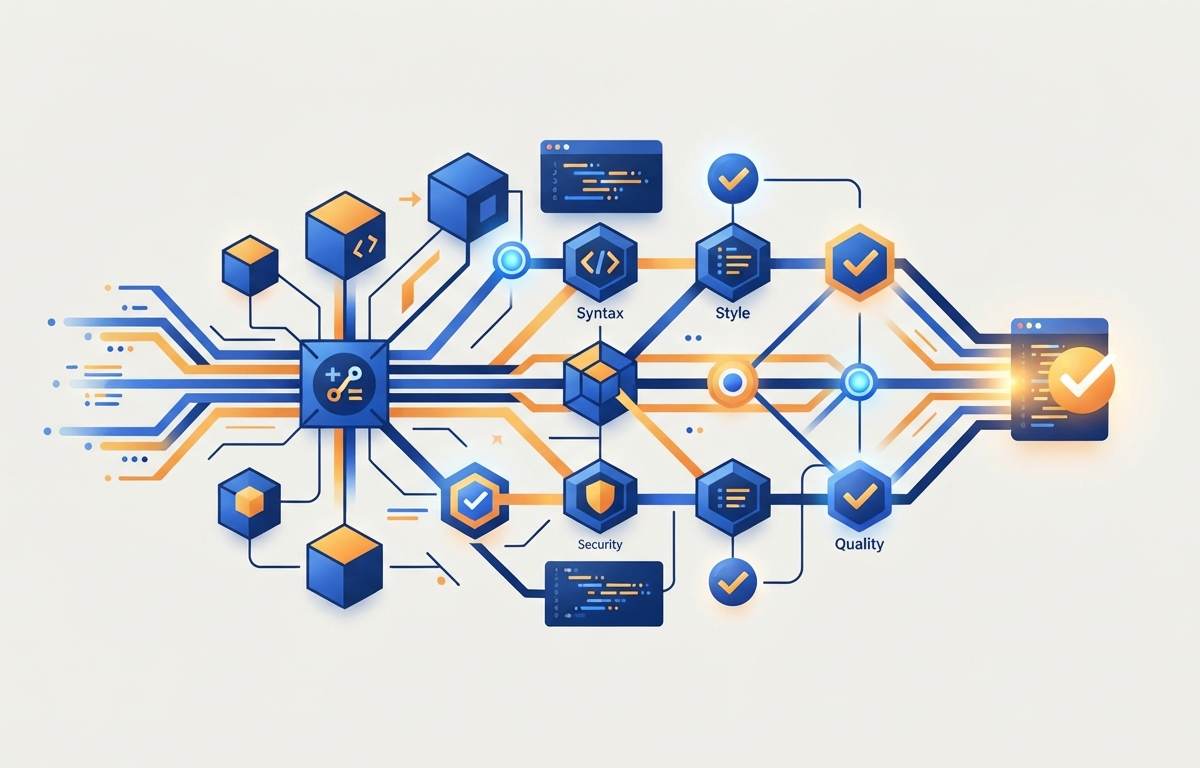
The engineering team behind Anthropic's Claude Code recently detailed how they operationalized artificial intelligence to fundamentally transform internal code reviews. Rather than relying solely on senior engineers to identify logical flaws, style inconsistencies, and architectural regressions, the team embedded intelligent agents directly into their continuous integration workflows. This setup allows automated assistants to parse changes, provide contextual feedback, and flag subtle vulnerabilities before human engineers conduct their final assessments.
Traditional peer code review has long represented a primary bottleneck in software delivery. Skilled developers often spend hours evaluating routine pull requests, diverting focus from strategic architecture and high-impact product features. By delegating syntax verification, test validation, and baseline security screening to specialized AI agents, development cycles compress dramatically without compromising software reliability or security standards.
Globally, this methodology signals a critical shift from AI as a mere generative drafting tool to AI as an active quality-assurance partner. It establishes a resilient development pipeline where human expertise is augmented rather than replaced, systematically preventing technical debt and fragile code from reaching production environments.
For enterprises, government entities, and digital startups across Oman and the wider Gulf, this engineering model offers immediate strategic value. As Gulf organizations aggressively modernize operations under Vision 2040 initiatives—launching citizen-facing web portals, omnichannel retail applications, and proprietary enterprise platforms—technical talent constraints remain a persistent hurdle. Adopting automated code audit workflows enables lean in-house development teams and local IT agencies to produce robust, secure software at double the conventional speed.
Business leaders in the region do not need to build large internal software laboratories to capture these gains. By integrating existing AI workflow automation into their digital project lifecycles, Omani businesses can safeguard their investments, enforce rigorous cybersecurity standards from the first line of code, and deliver digital services with greater speed and resilience.