Tesla Roadster: What Extreme EV Tech Means for Gulf Mobility
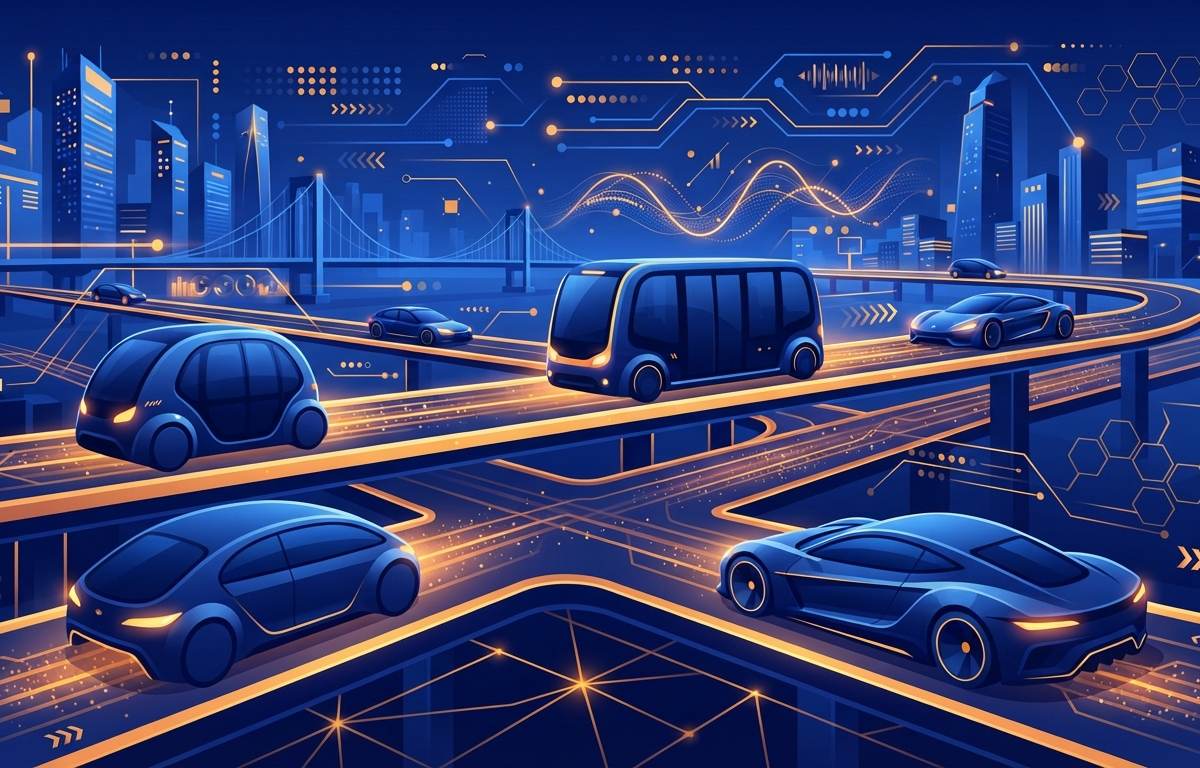
Tesla has renewed industry attention around its long-anticipated Roadster, positioning the all-electric supercar as an engineering benchmark for zero-emission performance. Beyond its headline-grabbing acceleration figures and aerodynamic styling, the vehicle represents an intensive showcase of next-generation battery chemistry, high-output electric powertrains, and unified vehicle telemetry software. It underscores how the boundaries of sustainable propulsion continue to expand past conventional expectations.
Globally, the significance of ultra-performance electric vehicles lies in the trickle-down effect of proprietary engineering. The rigorous thermal management, lightweight structural materials, and ultra-efficient inverter technologies developed for hypercars inevitably find their way into mass-market passenger cars and commercial utility fleets. As software-defined vehicles become the standard, the interplay between hardware performance and real-time cloud analytics is transforming automotive manufacturing worldwide.
This technology shift aligns directly with strategic developments across the Gulf Cooperation Council. Countries like Oman, guided by Vision 2040 and commitments to net-zero emissions by 2050, are actively scaling national electric vehicle charging networks and green transit corridors. While luxury hypercars cater to private collectors, the underlying infrastructure, fast-charging standards, and smart grid integrations required to support such high-draw machinery are the real game-changers for regional municipalities and utilities.
For enterprise leaders, transport operators, and logistics startups in Oman, the acceleration of EV capabilities signals a decisive moment to evaluate commercial fleet electrification. Modern electric vehicles are essentially edge-computing platforms generating massive data streams. Businesses that invest now in custom telematics dashboards, route-optimization software, and smart charging management will capture substantial savings on maintenance and fuel over the vehicle lifecycle.
The broader lesson for Gulf enterprises is that digital transformation and sustainable mobility are now inseparable. Transitioning to smart electric transport requires reliable local cloud connectivity, robust mobile management applications, and proactive cybersecurity protocols across charging nodes. Decision-makers who modernize their operational workflows today will be best positioned to lead the region's decarbonized commercial future.