Beyond Books: How Sharing Apps Can Power Oman's Circular Economy

Finland's public libraries are redefining community utility by lending out items far beyond books, such as sewing machines, power tools, and musical instruments. This "Library of Things" concept represents a shift toward a highly efficient sharing economy, driven by robust civic infrastructure and digital tracking. By treating physical assets as shared community resources, the model reduces waste and lowers the barrier to entry for creative and practical pursuits.
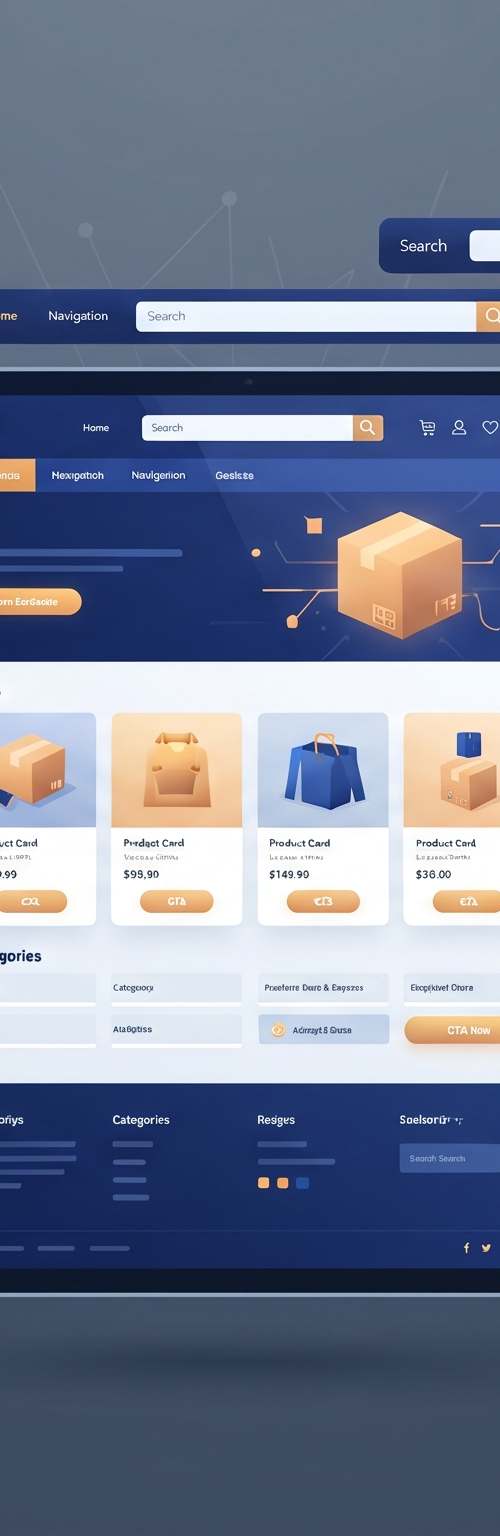
At the heart of this physical sharing revolution is a sophisticated digital backbone. Transforming a traditional library or warehouse into a multi-category rental hub requires real-time inventory tracking, automated booking systems, and seamless user verification. Modern cloud-based databases, combined with IoT-enabled smart lockers and mobile applications, make the logistics of renting complex equipment as frictionless as downloading an e-book.
Globally, this trend is inspiring businesses and municipalities to rethink asset management and sustainability. Companies are recognizing that underutilized assets—whether office equipment, industrial tools, or vehicle fleets—can be monetized or shared through internal digital platforms to cut capital expenditure. For the private sector, building white-label sharing platforms presents a lucrative B2B software-as-a-service (SaaS) opportunity.
For Oman and the wider GCC, this model aligns perfectly with the sustainability and digital transformation goals of Oman Vision 2040. Omani entrepreneurs, real estate developers, and municipal authorities can leverage custom mobile apps and IoT integrations to launch regional "sharing networks." For instance, a residential development in Muscat or a startup incubator in Salalah could implement a shared-tool app, reducing individual costs while fostering community resilience.
The actionable takeaway for Gulf business decision-makers is to audit their physical inventories for underutilized assets and explore custom-built sharing software. By investing in a dedicated booking and tracking app, companies can either optimize internal resource allocation or launch new consumer-facing rental services. Embracing the digital sharing economy not only slashes overhead costs but also positions Gulf enterprises as pioneers in the region's rapidly growing green economy.