
AI Text Watermarking: What Gulf Enterprises Need to Know
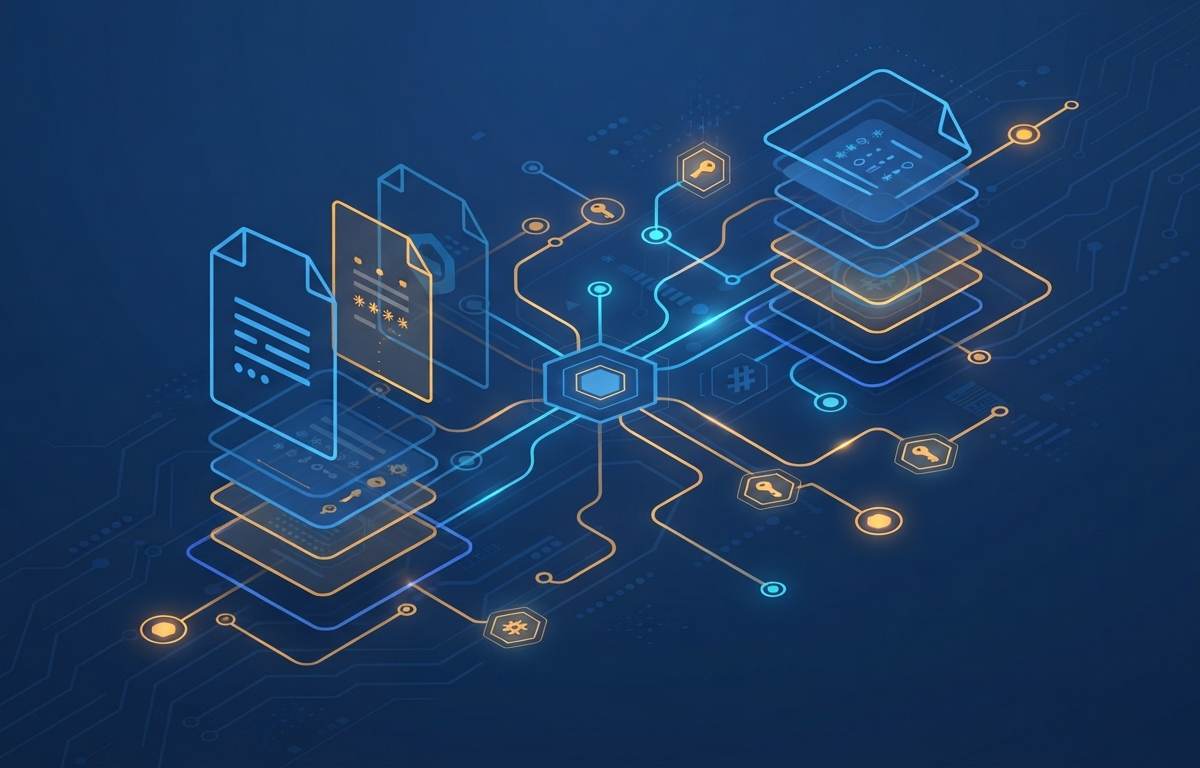
Recent revelations regarding leading artificial intelligence providers embedding hidden watermarks into model outputs have sparked significant debate across the technology landscape. The technique subtly alters word choices and token probabilities to make machine-generated text detectable by automated algorithmic scanners. While designed to curb academic dishonesty, combat disinformation, and assist in regulatory provenance tracking, the practice raises pressing questions about output fidelity, stylistic neutrality, and intellectual ownership.
For technical architects and business leaders, invisible text fingerprinting presents unanticipated operational challenges. Watermarking algorithms intentionally bias token selection away from the most natural or mathematically optimal phrasing. In professional settings, this can degrade the nuance of complex corporate communications, introduce subtle syntax anomalies into generated code, and insert invisible stylistic artifacts that undermine high-stakes corporate reporting and technical documentation.
Globally, this controversy highlights an intensifying friction between safety governance and enterprise utility. Regulators worldwide are demanding robust content provenance frameworks to distinguish synthetic media from human work. However, when commercial AI vendors silently manipulate text outputs without transparent opt-out mechanisms for business clients, organizations risk anchoring critical enterprise workflows on altered, non-deterministic foundations.
For enterprises, government bodies, and startups across Oman and the GCC region, this development offers a crucial strategic lesson. As regional organizations accelerate generative AI adoption under Oman Vision 2040 and regional digital transformation roadmaps, relying blindly on consumer-grade public AI APIs for official documentation, customer service bots, and localized Arabic content carries hidden risks. Watermarking algorithms tuned predominantly for English can introduce awkward stylistic artifacts into Arabic syntax and technical Gulf business terminology.
Business leaders and IT directors in the Gulf should respond by demanding clear enterprise-tier service level agreements regarding output integrity. Investing in private, custom AI deployments, localized workflow automation, and proprietary model fine-tuning ensures that your organization retains full sovereignty over its data, brand voice, and operational workflows without unannounced third-party interference.