The Quiet Shift from Developer to Software Architect
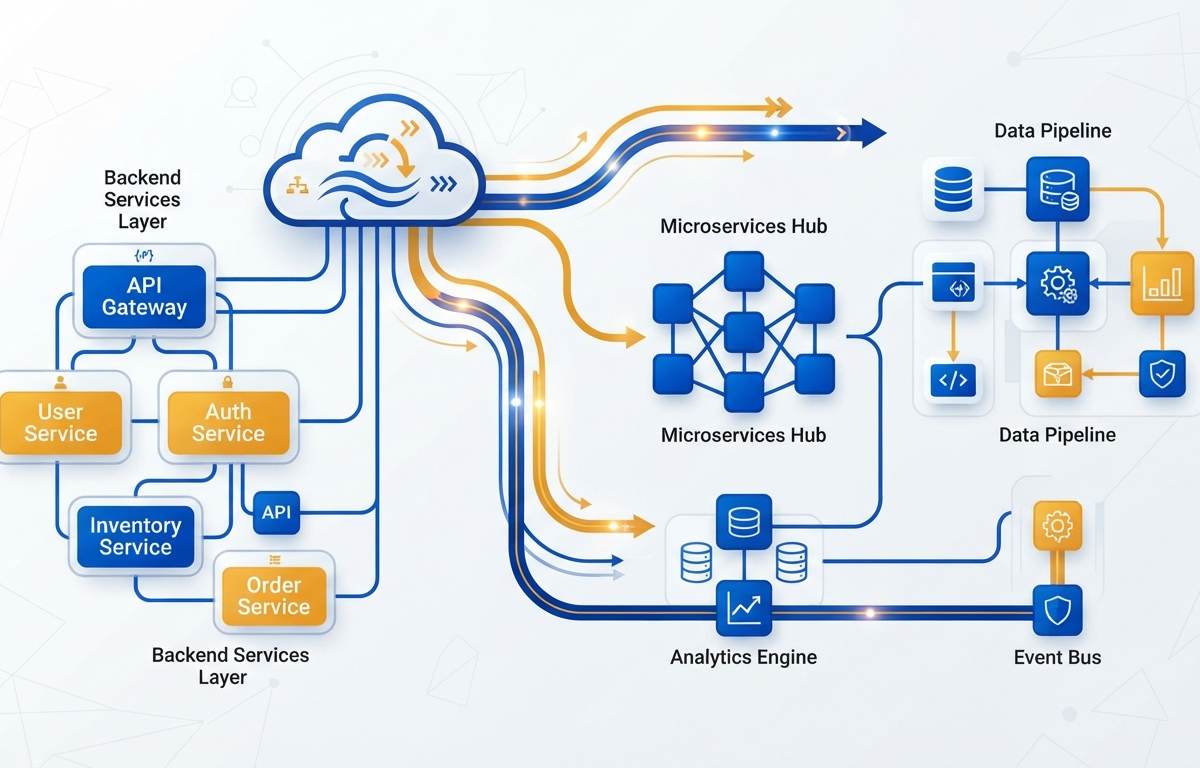
The software engineering landscape is undergoing a structural transformation that often goes unnoticed by executive leadership. With the rapid adoption of managed cloud services, comprehensive APIs, and AI-driven coding assistants, the day-to-day work of writing routine boilerplate code has significantly diminished. Instead, software engineers find themselves making high-stakes decisions around system integration, data flows, cloud infrastructure sizing, and operational security. In practice, developers are routinely stepping into the shoes of software architects, frequently without a formal title update or structured preparation.
Globally, this evolution has fundamentally altered how technological maturity is measured. Output can no longer be judged by the sheer volume of code committed to a repository. Today, strategic digital execution hinges on whether systems are designed to scale smoothly, maintain high availability, and contain operational overhead. When development teams lack architectural guidance, the consequence is rarely a simple software bug; it is catastrophic architectural debt, spiraling cloud bills, and brittle workflows that collapse under sudden user surges.
Navigating this reality requires organizations to establish deliberate engineering governance. Architectural thinking is not merely an extension of coding proficiency; it demands a distinct focus on business trade-offs, modular design, long-term maintainability, and risk mitigation. Companies that treat their technical staff purely as task executors miss the opportunity to foster critical architectural capabilities that safeguard core digital operations.
For businesses, government entities, and emerging startups across Oman and the wider Gulf region, this shift is particularly critical. Under ambitious digital transformation agendas like Oman Vision 2040, organizations are aggressively commissioning custom mobile apps, automated customer service portals, and enterprise resource planning platforms. However, commissioning features without robust architectural oversight often results in fragmented digital silos that struggle to integrate with local payment gateways, regional cloud zones, or national data standards.
Gulf business leaders must shift their perspective on digital investments. Rather than prioritizing quick, surface-level code deployments, executive decision-makers should mandate architectural rigor from project inception. Investing in system-level architecture, cloud cost optimization, and disciplined integrations ensures that digital assets can securely scale alongside enterprise growth, delivering resilient performance and superior return on investment.