
World’s Largest Electric Plane Flies: Key Lessons for Gulf Logistics
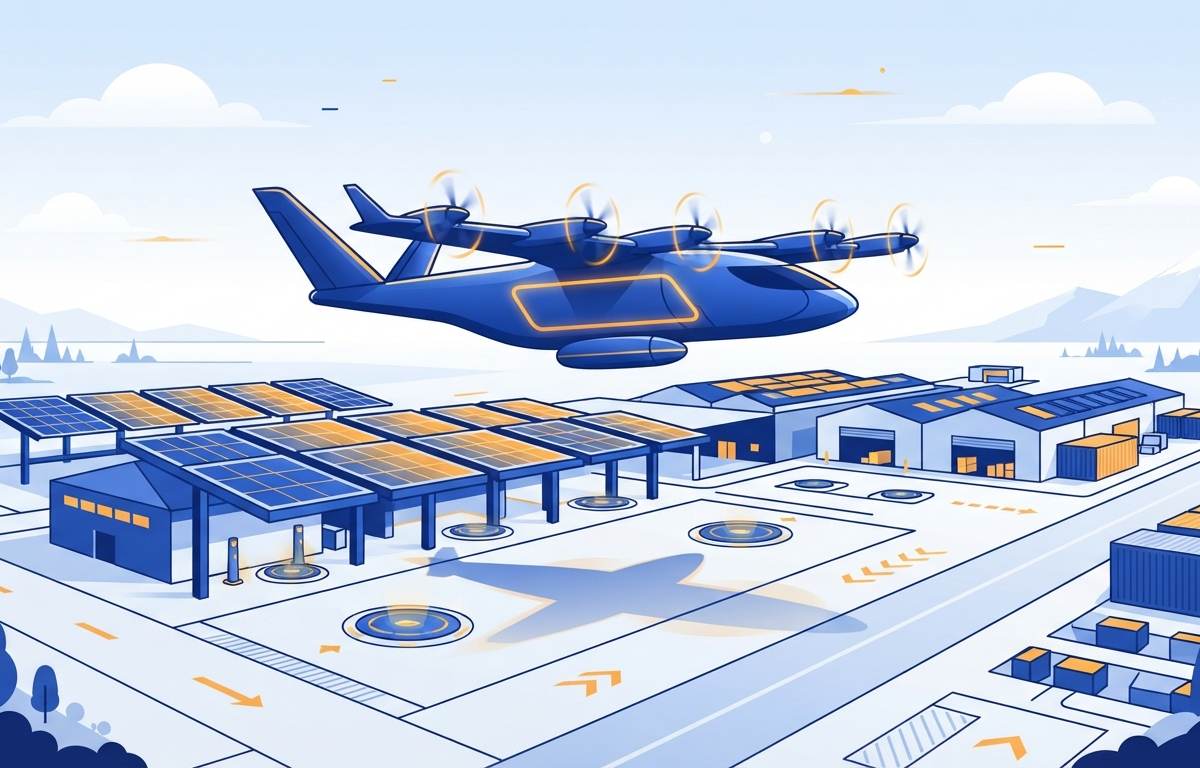
The successful maiden flight of the world’s largest electric aircraft represents a watershed moment for sustainable aviation. Designed to eliminate carbon emissions and significantly lower operating costs compared to conventional turboprops, this achievement shifts zero-emission flight from experimental concept to practical engineering reality. The test validates recent advancements in battery energy density and confirms the operational reliability of electric propulsion systems under real-world conditions.
Beyond environmental benefits, electric aviation challenges the traditional economics of regional transport. By replacing complex turbine engines with electric powertrains that contain far fewer moving parts, maintenance expenses and fuel overhead drop dramatically. This economic reset allows transport operators to reconsider short-haul, point-to-point regional routes that were historically unprofitable for legacy commercial carriers.
However, scaling commercial electric aviation will demand significant investment in digital and ground infrastructure. Managing regional fleets of electric aircraft requires advanced telematics, cloud-based predictive maintenance platforms, and automated smart-grid management systems to recharge high-capacity batteries during off-peak windows. In this ecosystem, software architecture and real-time data analytics are just as critical as battery chemistry in maintaining fleet safety and schedule reliability.
For Oman and the wider GCC, this breakthrough aligns directly with national decarbonization roadmaps and Oman Vision 2040 sustainability targets. As the Sultanate expands its logistics hubs and links major economic zones such as Duqm, Sohar, and Salalah, electric cargo networks present a viable path toward low-cost, zero-emission feeder routes. The immediate opportunity for Gulf businesses and tech startups lies in building the supporting digital layer, including automated freight dispatching systems, warehouse battery-charging orchestration software, and real-time shipment visibility dashboards.
Business leaders and supply chain managers in the Gulf should not treat electric aviation as a distant novelty. Instead, organizations should begin auditing their current supply chain emissions and modernizing their logistics platforms through cloud-based API architectures. Preparing your enterprise data systems today ensures your business can seamlessly connect with automated, zero-emission freight networks the moment regional electric flight corridors become fully operational.