Why Subtle Linguistic Polish in Software Drives Digital Trust
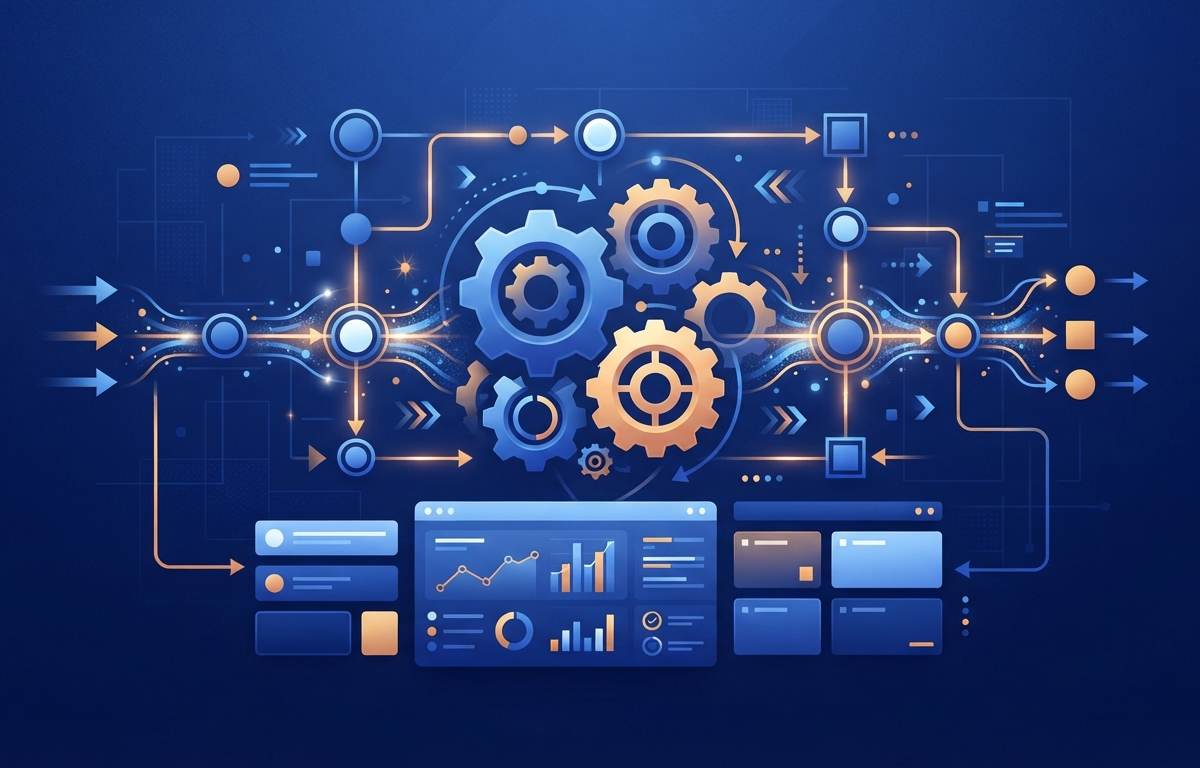
Algorithmic text generation often stumbles on seemingly simple rules. A recent deep dive into the classic programming challenge of determining indefinite articles like 'a' versus 'an' in dynamic English text illustrates how difficult human language nuances can be for software systems. While humans instinctively select articles based on spoken phonetics rather than written vowels, encoding that logic into automated applications requires extensive phonetic dictionaries and nuanced linguistic engineering.
For software engineers and digital product managers globally, this challenge underscores a critical reality: automation cannot rely on surface-level heuristics. When enterprise software, automated customer relationship management systems, and dynamic e-commerce catalogues piece together automated notifications, relying on naive rules produces jarring mistakes. While modern generative AI models have smoothed over many text issues, transactional systems and lightweight mobile backends still depend on deterministic algorithms that demand rigorous engineering.
Linguistic friction extends far beyond cosmetic pedantry. Digital consumers associate grammatical slip-ups in automated notifications, invoices, or chatbot prompts with low-quality systems and questionable operational reliability. In an era where user experience serves as the primary competitive differentiator, software platforms that deliver polished, context-aware output consistently outperform competitors who dismiss edge-case details as trivial.
For businesses and government agencies across Oman and the GCC, this lesson holds immediate practical value. As regional organizations accelerate digital transformation under Oman Vision 2040, automated customer interactions through WhatsApp gateways, SMS alerts, and bilingual web apps have become everyday customer touchpoints. Whether generating English shipping notices or handling complex Arabic declensions, duals, and gender agreements, digital platforms must treat localized language generation as an engineering priority rather than an afterthought.
Omani enterprises upgrading their digital storefronts or deploying automated customer support workflows should audit their entire communications pipeline. Ensuring that custom apps and customer relationship platforms integrate robust natural language handling prevents brand erosion and fosters consumer trust. Achieving true digital maturity begins by mastering the small, daily details that users interact with across digital channels.