Why Silent AI Model Updates Are a Wake-Up Call for Business
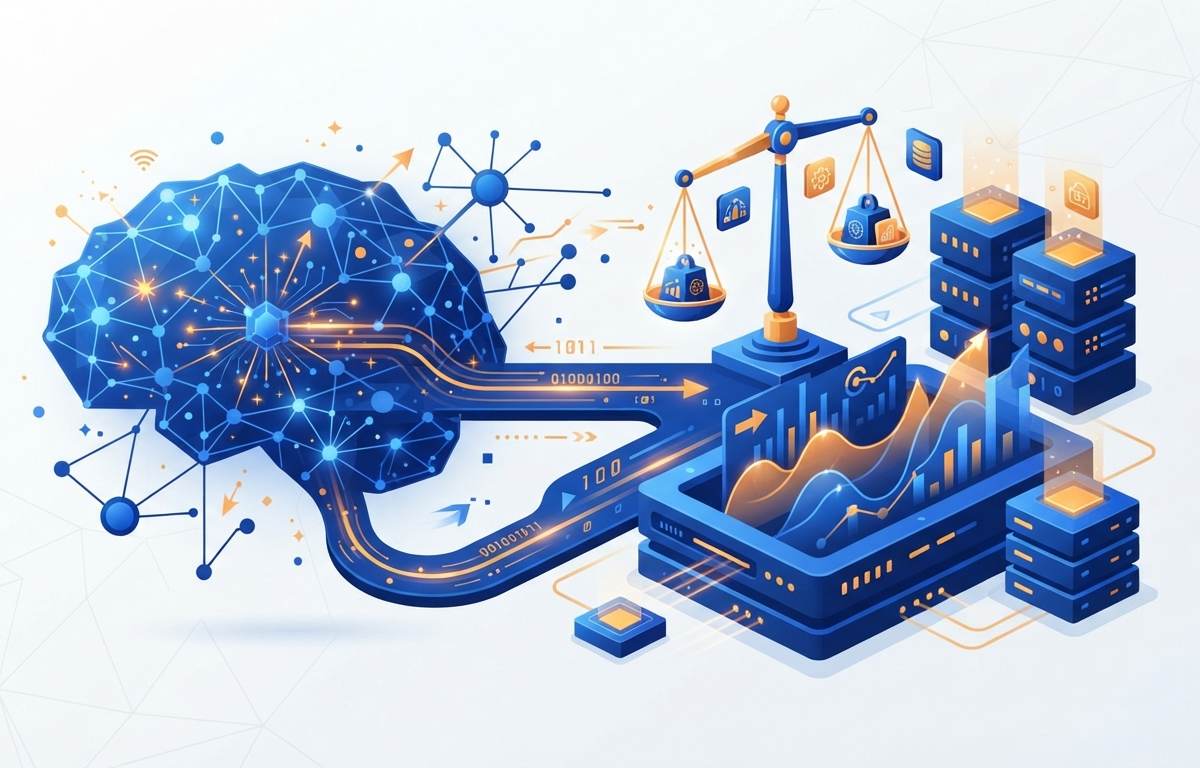
Reports and developer discussions regarding unexpected shifts in frontier AI models—often described as silent model adjustments or performance regressions—have once again stirred the tech community. Engineers and power users frequently report sudden alterations in reasoning consistency, code generation accuracy, or verbosity following unannounced updates by major AI providers. Whether these changes result from computational cost optimizations, safety guardrail modifications, or revised system prompts, they highlight an undeniable reality: commercial cloud AI models are constantly moving targets.
This lack of stability presents a tangible operational risk for modern enterprises. When an organization embeds foundation models into automated customer care, sales workflows, or document intelligence pipelines, consistent output is paramount. An unannounced shift in how a model processes complex reasoning tasks can silently degrade service quality, introduce software bugs, or distort analytical dashboards. Relying naively on third-party black-box models without systematic oversight leaves critical business logic vulnerable to decisions made behind closed doors.
Across the global enterprise landscape, technical leaders are rapidly moving away from unmonitored API integrations. Standard practice now demands automated regression testing frameworks for AI workflows. By running model outputs against standardized, historical benchmark datasets on a continuous schedule, companies can instantly detect reasoning drift and quality degradation before these discrepancies reach live customers, ensuring that foreign provider tweaks do not interrupt daily operations.
For enterprise decision-makers and government entities across Oman and the GCC, this operational insight is especially critical. As regional organizations accelerate digital modernization under initiatives like Oman Vision 2040, adopting generative AI to streamline administrative workflows and improve citizen services is expanding quickly. However, Gulf businesses cannot afford single-vendor dependency. Organizations must adopt model-agnostic software architectures that feature automatic fallback routines, allowing systems to switch to alternative commercial models or privately hosted open-source solutions the moment a provider experiences performance drift.
To safeguard digital investments, Omani SMEs and enterprise leaders should approach AI deployment with the same engineering discipline applied to cybersecurity and cloud infrastructure. Partnering with experienced digital engineering studios to build customized middleware, strict output validators, and local evaluation suites ensures that enterprise automation remains reliable, compliant, and fully insulated from the volatile roadmap of global AI providers.