
Why Open-Source Document Engines Matter for GCC Digital Transformation
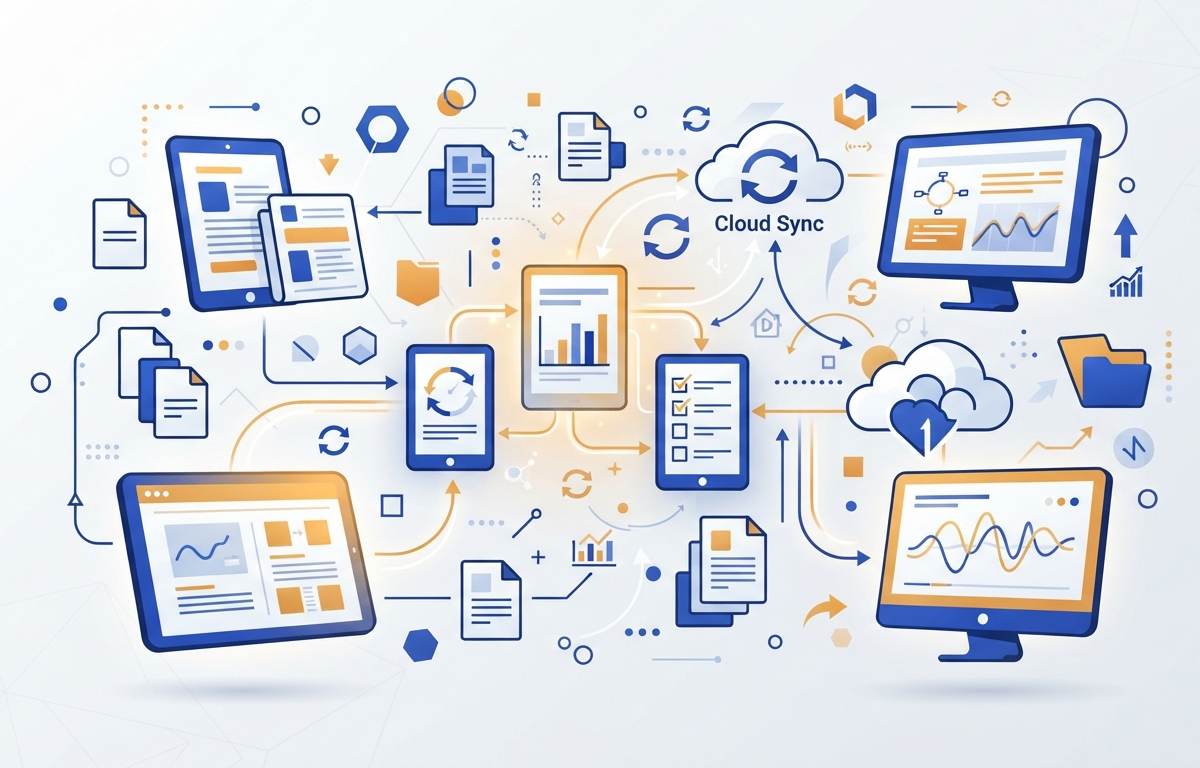
The steady rise of specialized open-source document engines like KOReader highlights a major shift in how digital content is rendered across diverse hardware platforms. By delivering fast, flexible document handling on e-ink readers, mobile operating systems, and desktop environments, open-source projects demonstrate that lightweight engineering can outperform heavy enterprise solutions.
Globally, enterprise document management often suffers from software bloat, restrictive vendor lock-in, and costly recurring licensing fees. Modern open-source document architectures prove that modular, privacy-focused software can provide superior performance while giving organizations full ownership over their user interface and workflow integration.
Furthermore, this trend emphasizes the importance of offline-first functionality and tailored cross-platform performance. Businesses across various sectors are realizing that reliance on cloud-heavy, resource-intensive software creates operational friction, particularly for field workers, logistics teams, and inspectors operating in remote environments.
For businesses and public entities in Oman and the wider Gulf region, this technical shift offers a clear roadmap under digital transformation initiatives like Oman Vision 2040. Instead of deploying expensive, rigid legacy platforms, Omani SMEs and government agencies can leverage lightweight, custom-built web and mobile applications designed specifically for local operational needs and full Arabic language compatibility.
Decision-makers in the GCC should view the success of lean document software as a call to streamline their internal IT stack. Investing in custom, high-performance applications or tailored open-source integrations allows local enterprises to lower operational overhead, protect corporate data locally, and significantly improve workforce productivity.