Why Lightweight Terminal UIs Are Reshaping Operations
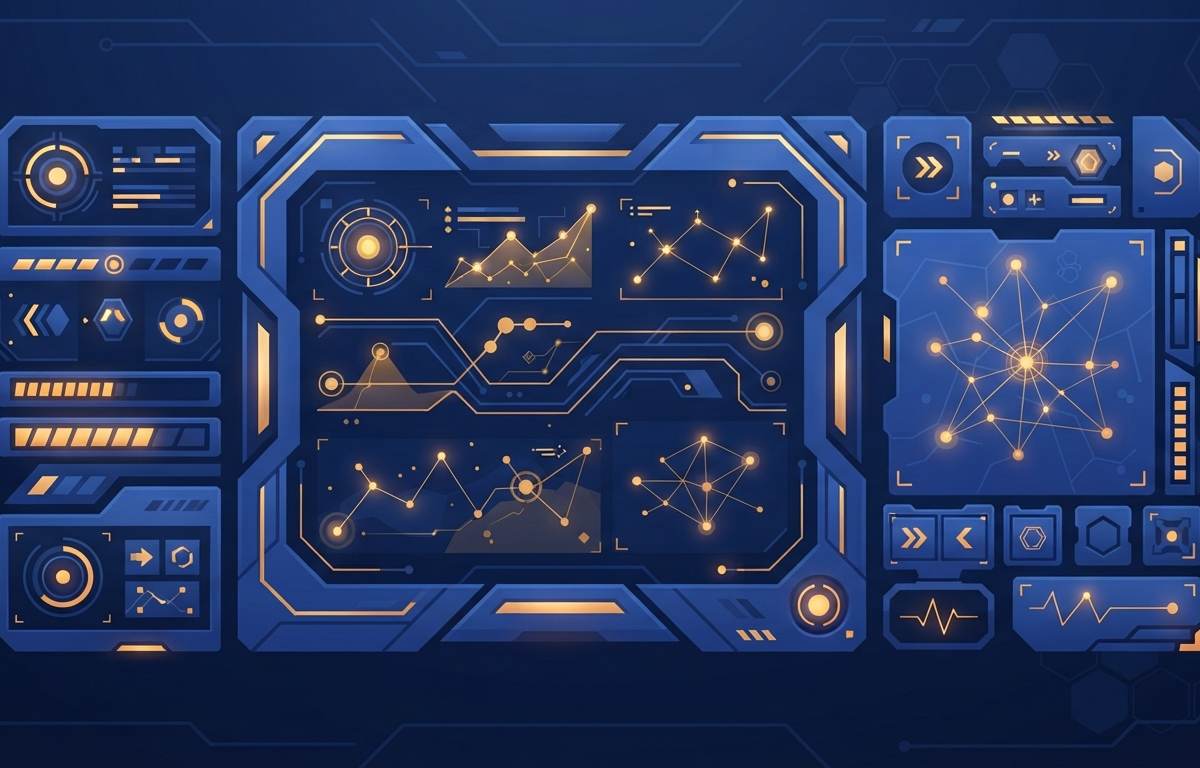
Software engineering teams are quietly rediscovering the terminal as a primary hub for modern systems monitoring and operations. Recent developments in terminal user interface (TUI) design have introduced sophisticated rendering techniques that optimize screen real estate down to the exact sub-cell level. By rendering structural borders and dividers without consuming character cells on screen grids, developers are achieving unprecedented data density and visual clarity directly within text-based consoles.
While web dashboards have dominated enterprise observability over the past decade, they often carry severe overheads, including high memory usage, heavy client-side browser footprints, and sluggish rendering across remote sessions. The emergence of next-generation terminal interfaces solves this friction. They provide instant feedback, minimal latency over low-bandwidth secure connections, and real-time responsiveness that web wrappers simply cannot match when managing critical server fleets or continuous deployment pipelines.
Globally, this movement reflects a broader shift toward software minimalism and operational resilience. Engineering organizations are seeking lightweight tools that run identically in remote cloud environments, edge computing nodes, and local development machines. Stripping away unnecessary interface abstraction layers allows platform engineers and cybersecurity specialists to troubleshoot incidents rapidly, monitor streaming metrics, and orchestrate complex workloads without switching contexts or opening resource-hungry web applications.
For businesses, government entities, and tech startups in Oman and the GCC, this engineering trend holds substantial strategic value. As Gulf enterprises accelerate digital transformation and cloud migration under initiatives like Oman Vision 2040, managing infrastructure costs and remote connectivity remains a priority. Modern terminal-based dashboards allow local DevOps and IT teams to monitor data centers, automated pipelines, and cloud services securely over constrained remote networks, such as oilfield telemetry nodes or off-site logistics hubs, without incurring expensive front-end licensing fees or latency penalties.
Decision-makers in the region should evaluate where lightweight, command-line automation and terminal tooling can replace over-engineered internal portals. By empowering technical teams with modular, high-performance console interfaces, organizations can streamline system troubleshooting, fortify internal security postures through restricted terminal access, and achieve significant reductions in cloud compute overhead. Investing in lean developer tooling directly translates to faster incident response times and leaner digital operations.