
Why Keyboard-Driven Software Is the Next Enterprise Trend
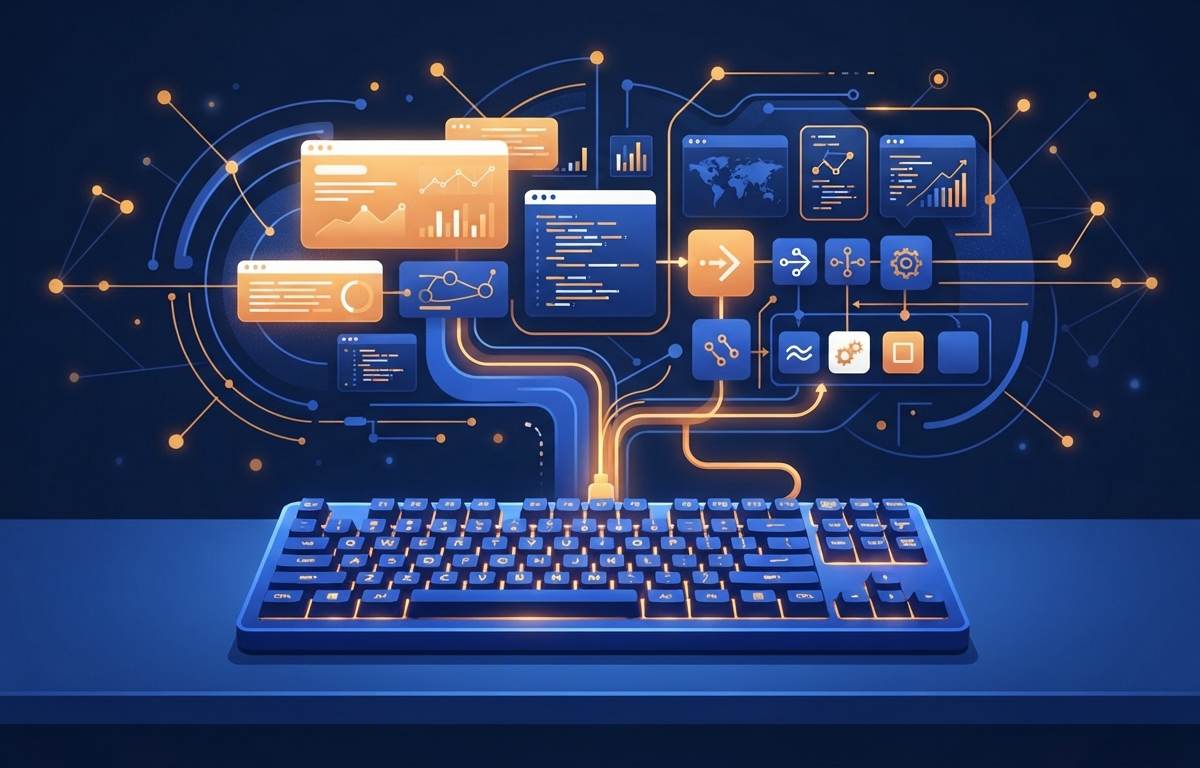
The modern enterprise software landscape is undergoing a critical user experience reassessment. For years, software interfaces have been designed primarily around point-and-click mouse interactions and touchscreens. While intuitive for casual users, this design philosophy creates significant friction for knowledge workers, finance officers, and customer service teams who spend hours inputting data, navigating records, and switching between complex dashboards.
Industry software architects are now championing keyboard-driven graphical user interfaces. By embedding comprehensive hotkeys, command palettes, and seamless tab-indexing directly into business applications, developers enable power users to complete complex workflows without lifting their hands from the keyboard. This shift bridges the speed and precision of command-line tools with the visual clarity of modern web applications.
Globally, companies investing in keyboard-first enterprise software report measurable improvements in staff throughput and operational velocity. Moving away from mouse-heavy navigation reduces repetitive strain injuries, minimizes cognitive fatigue, and dramatically accelerates routine operations such as processing invoices, managing inventory databases, and updating customer relationship management systems.
For enterprises and government entities across Oman and the wider Gulf region, this design philosophy holds immediate strategic value. As organizations accelerate digital transformation under Vision 2040 initiatives, back-office operations in logistics, banking, and public service portals process enormous daily transaction volumes. Equipping internal staff with custom-built, keyboard-optimized tools can reduce average transaction handling times significantly, yielding tangible cost savings and improved service delivery.
Business owners and IT directors looking to modernize their tech stacks should audit their internal systems. When commissioning custom web apps, ERP extensions, or CRM dashboards, organizations must mandate full keyboard accessibility and smart command bars as standard technical requirements rather than optional add-ons. Investing in intuitive, keyboard-first software architecture empowers local teams to operate faster, smarter, and with greater operational accuracy.