
Why High-Concurrency Architecture Cuts Cloud Costs for Business
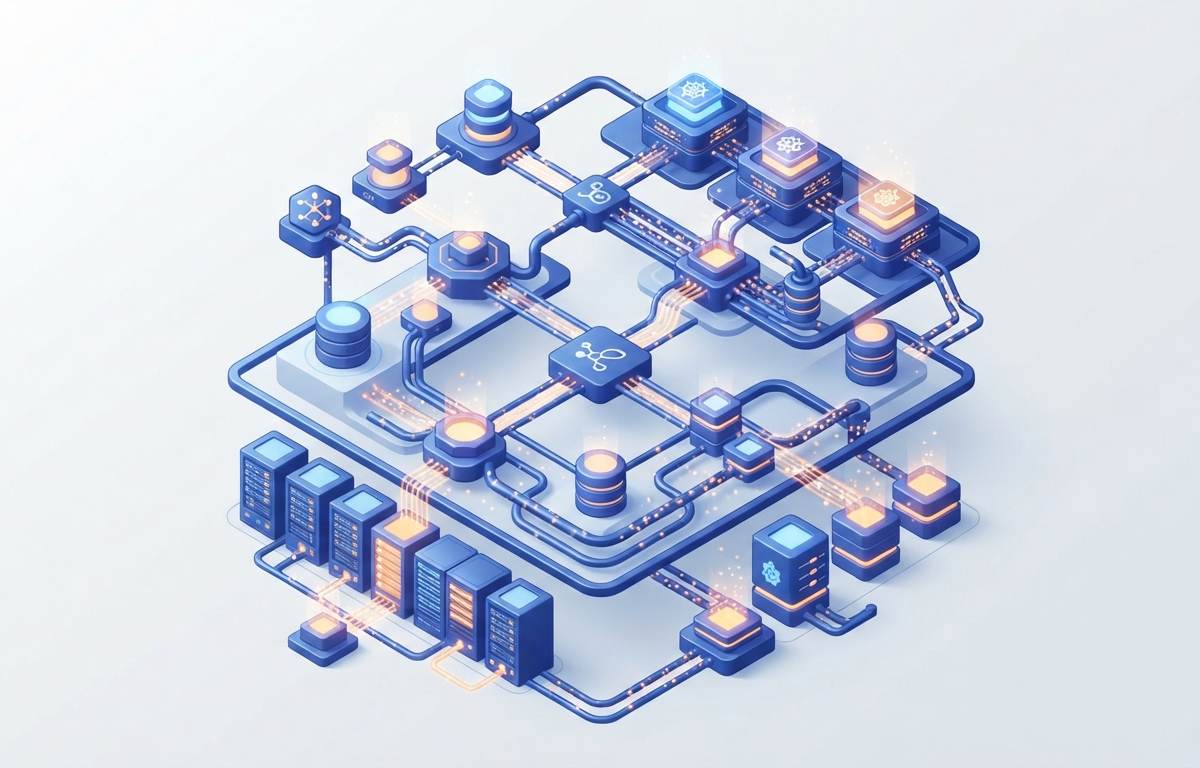
Digital services face an unprecedented operational challenge: user expectations demand instant responsiveness, while cloud infrastructure costs continue to climb. As software platforms scale to handle thousands of simultaneous transactions, traditional multi-threading architectures frequently bottleneck server resources. This inefficiency forces organizations into an expensive cycle of over-provisioning virtual machines simply to survive traffic spikes.
The resurgence of lightweight concurrency models demonstrates that enterprise software efficiency is fundamentally an architectural choice rather than a hardware limitation. By employing featherweight execution routines and dedicated communication channels instead of heavy system threads, modern backends can manage millions of concurrent user sessions using a small fraction of traditional CPU and RAM requirements.
Globally, enterprise engineering teams are shifting away from monolithic legacy architectures toward lean, concurrent microservices. This transition eliminates latency bottlenecks during sudden traffic surges while radically stabilizing operational margins. Organizations that modernize their core application backends frequently reduce their monthly cloud compute footprints by upwards of forty percent without sacrificing security or transaction integrity.
In Oman and the wider Gulf, this architectural efficiency is becoming a critical business differentiator under Vision 2040 digital economy goals. GCC enterprises running payment gateways, citizen service portals, or fast-growing e-commerce apps during seasonal shopping rushes often face unpredictable traffic surges. Relying on oversized server clusters in regional data centers inflates operating budgets, whereas adopting streamlined, high-concurrency custom applications ensures rock-solid uptime at a predictable cost.
For business leaders and IT directors across the Sultanate, the strategic takeaway is unambiguous. Investing in well-engineered custom software and modernizing legacy middleware yields a faster, more permanent return on investment than repeatedly upgrading cloud subscription tiers. Building applications natively designed for concurrency ensures your digital infrastructure remains fast, resilient, and cost-effective as your customer base expands.