Why Age Verification is Redefining Digital Identity

Age verification laws are sweeping the globe, ostensibly designed to protect minors from harmful content online. However, this infrastructure is quietly laying the groundwork for a much larger architectural shift: the automated attribution of all online speech to verified real-world identities. What began as simple, localized gateway checks is rapidly evolving into a sophisticated ecosystem of continuous digital identity validation across the web.
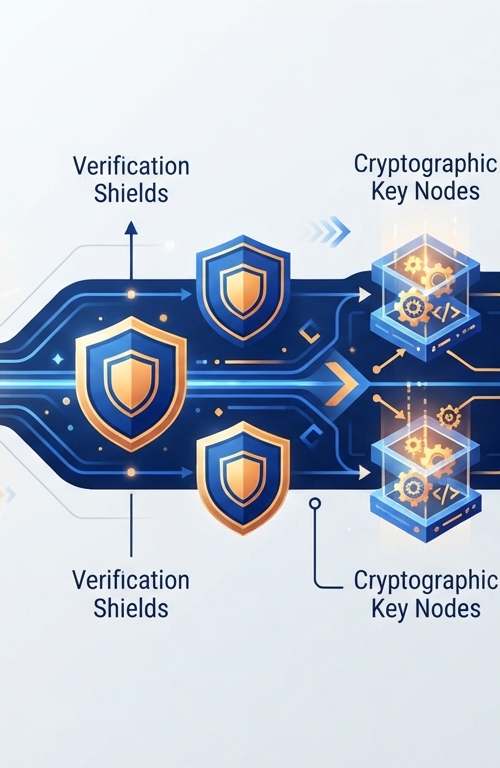
For platforms and businesses, this means moving away from self-reported user credentials toward cryptographic validation and trusted third-party identity providers. As artificial intelligence makes anonymous bot generation effortless, governments and enterprises are seeking foolproof ways to verify that a real human is behind every post, transaction, and review. This fundamental shift is turning the internet from an anonymous playground into an attributed space where actions have clear digital signatures.
This transition presents massive data protection and cybersecurity challenges. Storing or processing biometric data, government-issued IDs, or cryptographic tokens increases the attack surface for any enterprise. Businesses must balance regulatory compliance with user trust, ensuring that their identity verification pipelines are secure, decentralized, and fully compliant with evolving global privacy frameworks that penalize data mishandling.
In Oman and the wider GCC, this global shift aligns directly with national digital transformation initiatives and stringent local data privacy regulations, such as Oman’s Personal Data Protection Law (PDPL). As the region advances toward Vision 2040, local enterprises, financial institutions, and e-commerce startups must proactively integrate secure, localized single sign-on (SSO) and digital ID systems, such as Oman's National Digital Certification Center (PKI). Businesses should invest in secure, automated identity verification APIs rather than attempting to build proprietary databases, thereby minimizing cybersecurity liabilities while remaining fully compliant with national security standards.
Ultimately, the end of online anonymity is a major opportunity for Gulf businesses to foster deeper trust and eliminate transaction friction. By adopting privacy-preserving verification technologies, companies can mitigate fraud, streamline customer onboarding, and secure their digital ecosystems. Forward-looking decision-makers should view identity verification not as a regulatory hurdle, but as a foundational pillar of a modern, secure customer experience.