What the Bronze Age Collapse Teaches Modern Tech Leaders
Recent reassessments of the Late Bronze Age collapse emphasize that the ancient Mediterranean did not fall to a single catastrophe, but to systemic fragility. Civilizations of that era had built an extraordinarily interconnected, hyper-efficient trade network where distant regions depended on single geographic sources for critical commodities like tin and copper. When political instability and environmental shocks disrupted a few critical nodes, the entire synchronized civilizational engine seized up and unraveled within decades.
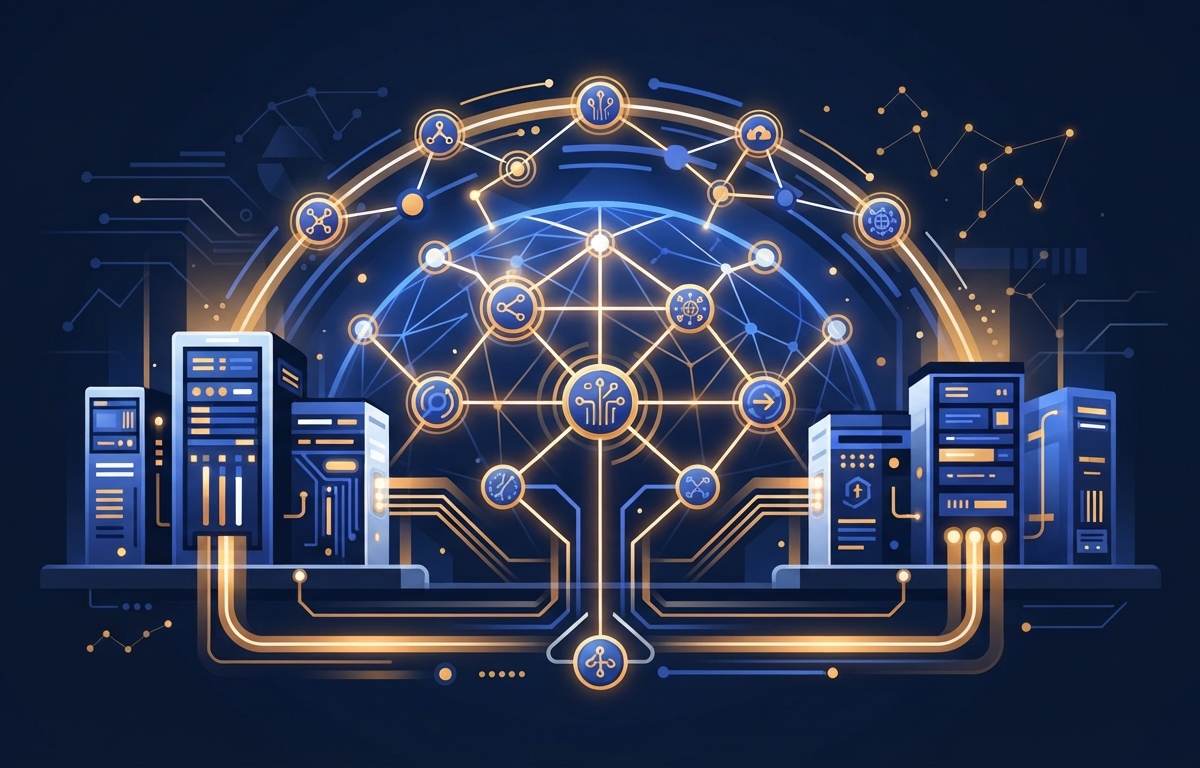
Modern digital infrastructure mirrors that ancient hyper-dependency to an alarming degree. Today, global commerce, logistics, and public administration rely on heavily concentrated technical dependencies. A tiny handful of hyperscale cloud providers, centralized payment rails, and ubiquitous open-source software libraries underpin billions of digital transactions daily. When a single configuration error, undersea cable cut, or sophisticated cyberattack hits one of these primary chokepoints, the blast radius instantly cripples unrelated industries across thousands of miles.
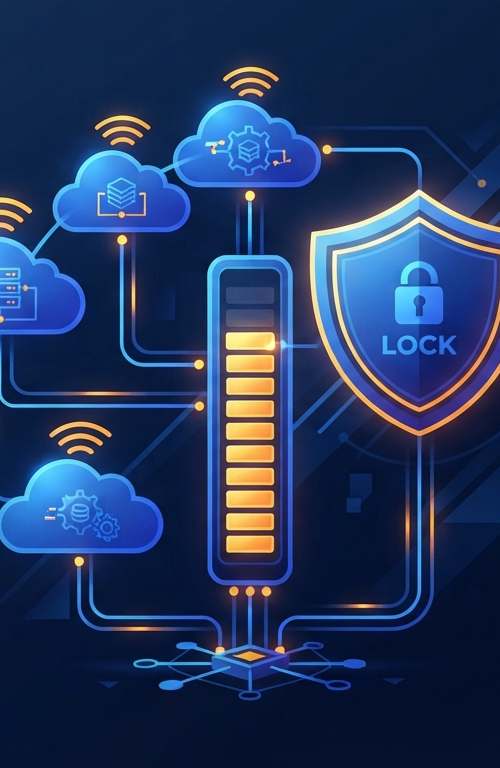
For enterprise leadership, the historical parallel is clear: optimizing purely for short-term cost efficiency creates latent systemic risk. True modernization requires engineering resilience into every layer of technical architecture. Forward-thinking companies are recognizing that redundancy is not waste; it is insurance. Transitioning from fragile monolithic systems to modular software architectures, adopting multi-cloud or hybrid infrastructure models, and maintaining offline operational capability are becoming basic tenets of prudent corporate governance.
In Oman and the wider Gulf, this historical perspective is particularly vital as digital transformation accelerates under national frameworks like Oman Vision 2040. Regional enterprises, financial institutions, and government bodies are migrating massive operational workloads to the cloud, rolling out automated customer service agents, and digitizing essential supply chains. While these innovations deliver unprecedented efficiency, business owners must ensure their operations do not become critically tethered to solitary overseas servers or closed proprietary software ecosystems.
To safeguard long-term stability, Omani executives and GCC decision-makers should actively mandate architectural diversity. This means partnering with local and sovereign cloud hosting options, establishing real-time redundant failovers, and continuously auditing third-party software dependencies. By pairing rapid digital adoption with decentralized, fault-tolerant infrastructure, Gulf businesses can insulate themselves against global technical shocks and build enterprises that endure unexpected disruptions.