What Japan Earthquake Teaches GCC Businesses About Digital Resilience
A powerful 7.1 magnitude earthquake recently struck Japan, immediately triggering automated alert systems, emergency response protocols, and real-time public safety notifications. The rapid response showcased how deeply integrated advanced digital infrastructure, cloud computing, and automated monitoring systems have become in modern disaster management and business continuity strategies.
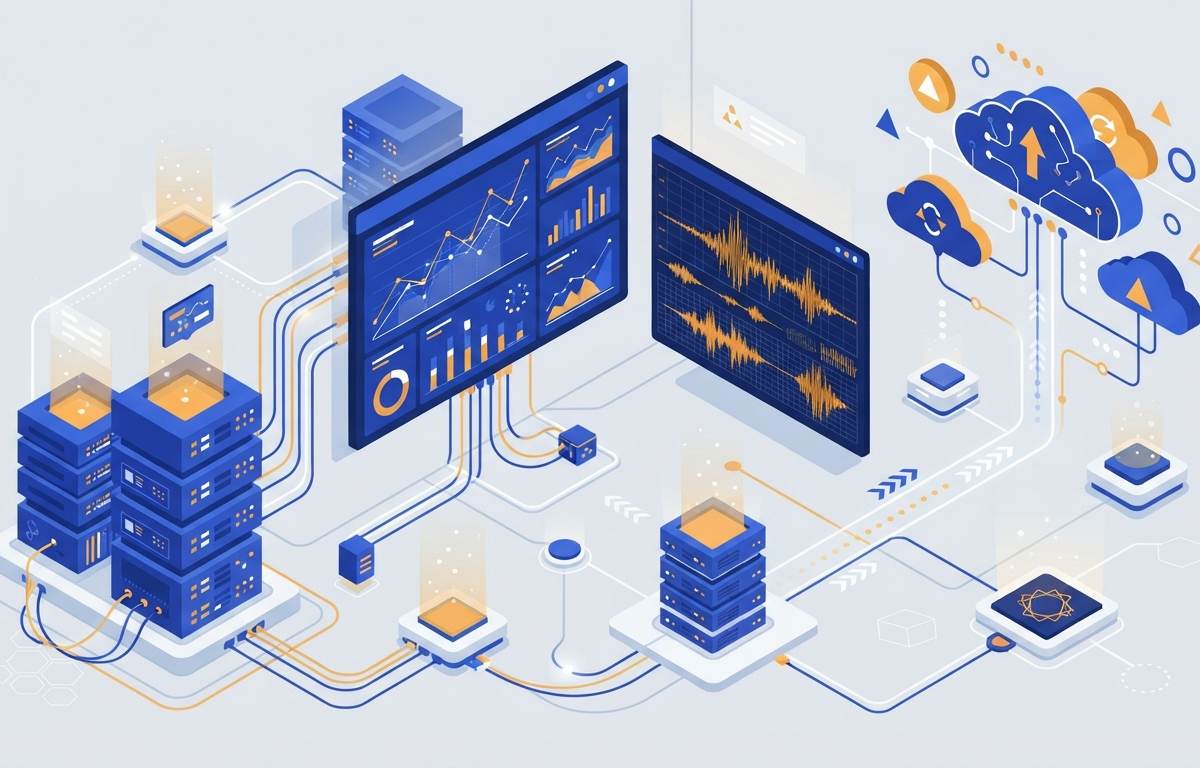
Behind the scenes, Japan's seismic networks rely on high-speed data analytics, cloud-hosted communication backbones, and IoT sensors that instantly process tectonic shifts to dispatch early warnings across mobile networks and broadcasting channels. This technical agility minimizes response times, allowing public services and critical infrastructure to automatically adjust operations within seconds.
Globally, this event reinforces a pivotal enterprise reality: operational resilience is no longer just a physical contingency plan, but a digital architecture. Organizations worldwide are increasingly prioritizing multi-region cloud redundancies, real-time data dashboards, and automated failovers to ensure that core business operations and communications remain intact during major physical disruptions.
For businesses and government entities across Oman and the GCC, the takeaway goes beyond seismic risk to encompass broader operational resilience, especially in light of regional climate events like tropical cyclones. As Oman advances its Vision 2040 digital strategy, enterprises must move beyond localized servers toward resilient cloud environments, automated incident monitoring, and customized operational dashboards that safeguard critical business data.
Localized digital studio solutions, such as custom IoT monitoring dashboards and automated workflow tools, empower regional SMEs and public agencies to maintain uninterrupted service during unexpected crises. By embedding disaster recovery and real-time data tracking into core IT strategies, Gulf organizations can protect their revenues, secure customer trust, and ensure long-term business continuity.