What Biology's Self-Healing Organ Teaches Tech Leaders
The human liver possesses a biological superpower that has puzzled and fascinated scientists for centuries: the ability to regenerate substantial portions of its own mass while maintaining non-stop operational filtering. When subjected to severe toxic stress or physical loss, healthy cells activate dormant pathways to replicate and re-establish equilibrium. The organ does not shut down during repairs; instead, it executes complex metabolic maintenance while rebuilding functional architecture in real time.
In enterprise technology, this biological phenomenon illustrates the exact opposite of traditional IT infrastructure. Legacy systems are notoriously brittle, designed around centralized monoliths where a single database failure or network timeout can trigger cascading downtimes across entire organizations. Modern technology strategy requires shifting from rigid structures that resist change to resilient architectures that heal themselves dynamically without disrupting end users.
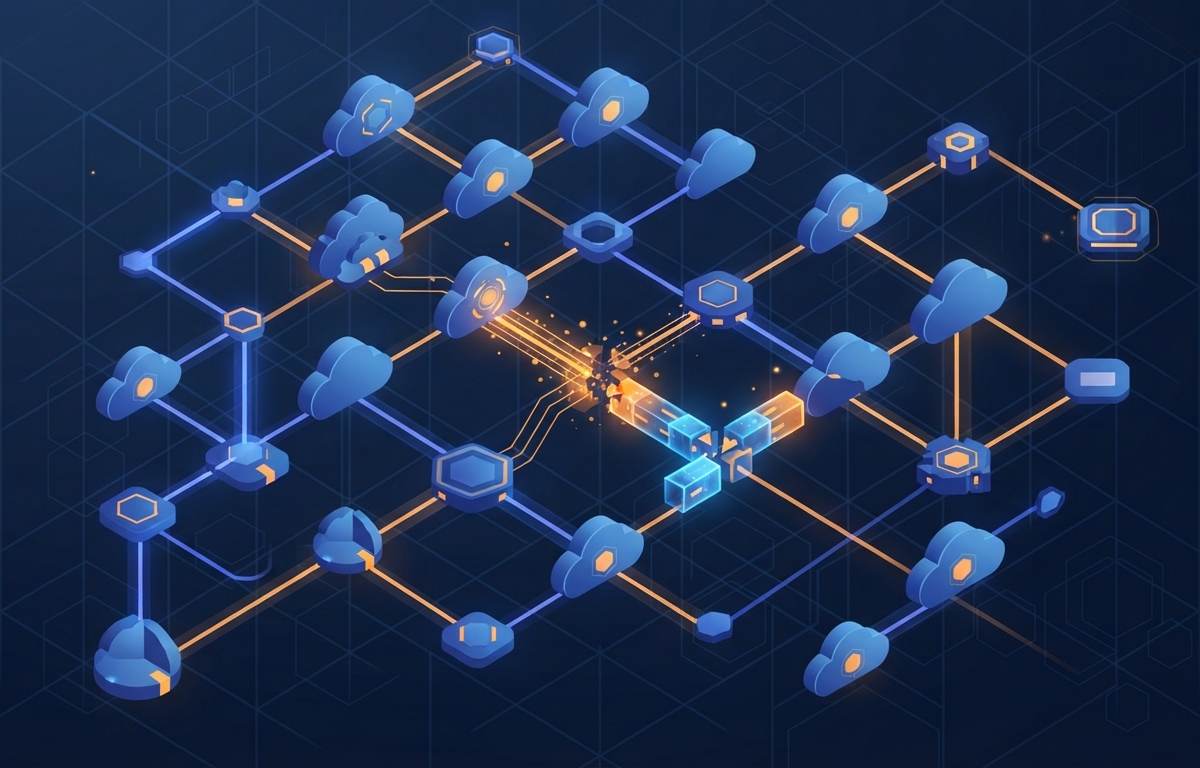
This principle is driving the rapid evolution of self-healing software, autonomous monitoring agents, and cloud-native microservices. By deploying containerized infrastructure orchestrated through automated failovers, modern platforms can identify performance bottlenecks, quarantine corrupted nodes, and spin up fresh instances within seconds. Rather than relying on human engineers to diagnose routine failures during midnight emergencies, algorithmic feedback loops proactively repair operational faults before customers ever notice.
For business leaders and government organizations across Oman and the wider GCC, embracing self-healing IT concepts is vital to achieving the resilience demanded by Oman Vision 2040. As regional enterprises digitize core operations—from national logistics networks and e-commerce platforms to government service portals—the financial and reputational cost of service interruptions has escalated. Building systems that lack autonomous redundancy leaves digital investments dangerously exposed to cyber attacks, network surges, and physical infrastructure disruptions.
Investing in automated workflows, custom cloud applications, and AI-driven observability tools is no longer a luxury for Gulf enterprises; it is a foundational risk management strategy. SMEs and expanding startups can immediately lower maintenance overhead and safeguard revenue by replacing outdated single-point-of-failure setups with scalable, automated cloud architectures. By engineering digital operations to self-heal like biological systems, regional businesses ensure uninterrupted continuity and sustainable growth.