Turning Dormant Smartphones into Lean Business Edge Servers
Hardware inflation and intermittent supply crunches for single-board computers like the Raspberry Pi have pushed resourceful engineers to look closer at what already gathers dust in office drawers: retired smartphones. Modern mobile handsets house remarkably capable multi-core ARM chips, generous RAM, and optimized power architecture designed to sip electricity rather than guzzle it. For enterprise IT leads looking to keep edge infrastructure costs lean, these decommissioned devices represent untapped computational capital.
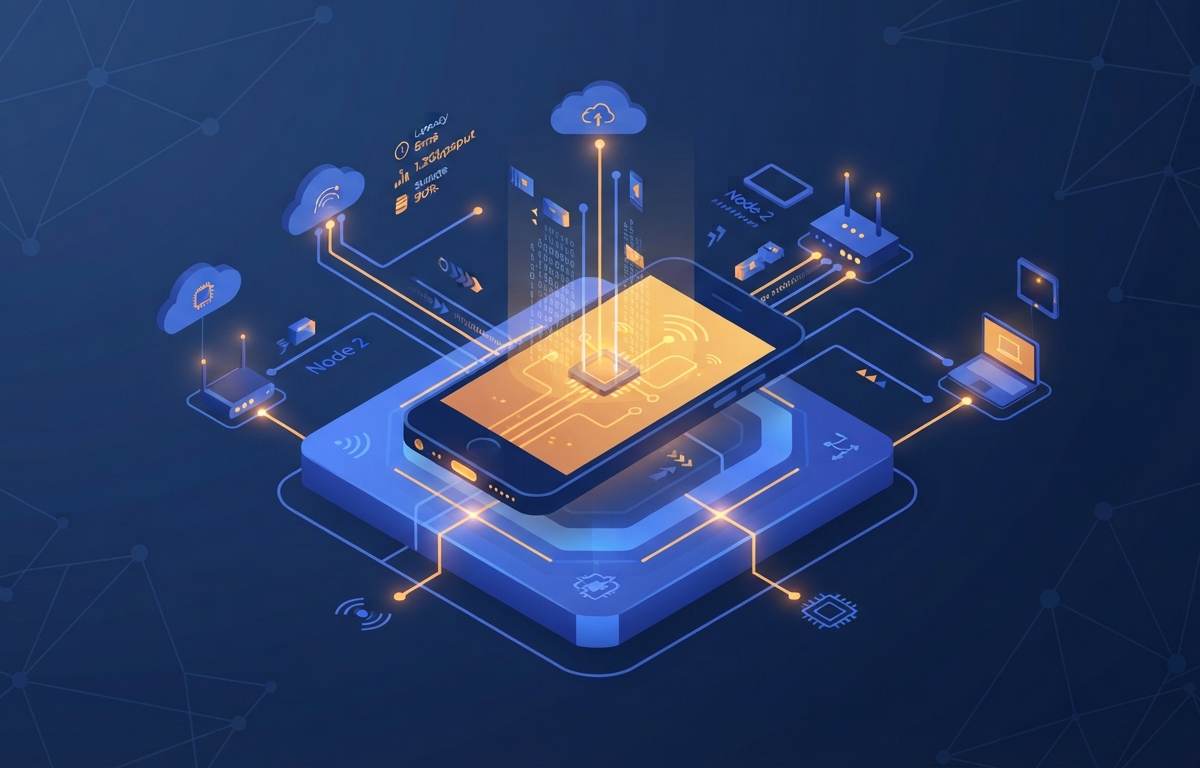
From a technical perspective, a repurposed smartphone arrives with components that single-board computers lack out of the box. An internal battery functions as a native uninterruptible power supply, shielding local services from unexpected power flickers. Integrated Wi-Fi, Bluetooth, and cellular modems provide built-in network redundancy, while the device's flash storage eliminates the corruption risks typical of standard micro-SD cards. With lightweight Linux environments, these handsets effortlessly host internal microservices, API gateways, local inventory caches, and automated messaging endpoints.
This trend aligns with a wider global movement toward edge computing and practical electronic waste reduction. Rather than funneling every minor transaction or sensor reading through expensive cloud instances, organizations are decentralizing their workloads. Keeping compute tasks on-premises not only reduces recurrent cloud bandwidth bills but also supports corporate sustainability goals by stretching the operational lifespan of high-grade consumer electronics.
For businesses across Oman and the GCC, this frugality holds direct operational value. Under Oman Vision 2040, small and mid-sized enterprises face growing pressure to digitalize rapidly while managing overheads prudently. In retail outlets, regional warehousing hubs, and modern agricultural setups in Dhofar or Al Batinah, a repurposed smartphone can act as an on-site hub managing sensor arrays, queuing point-of-sale data, or orchestrating local barcode scanners without requiring imported, specialized computing boards.
The strategic lesson for regional decision-makers is that digital transformation does not always require procurement of novel silicon. By pairing custom, lightweight software solutions with hardware already on hand, enterprises can build resilient internal automation and edge systems. Investing in agile software development rather than redundant physical assets yields higher flexibility, insulates operations against supply chain shocks, and optimizes capital expenditure.