
The Passkey Dilemma: Why Passwordless Tech Faces Pushback
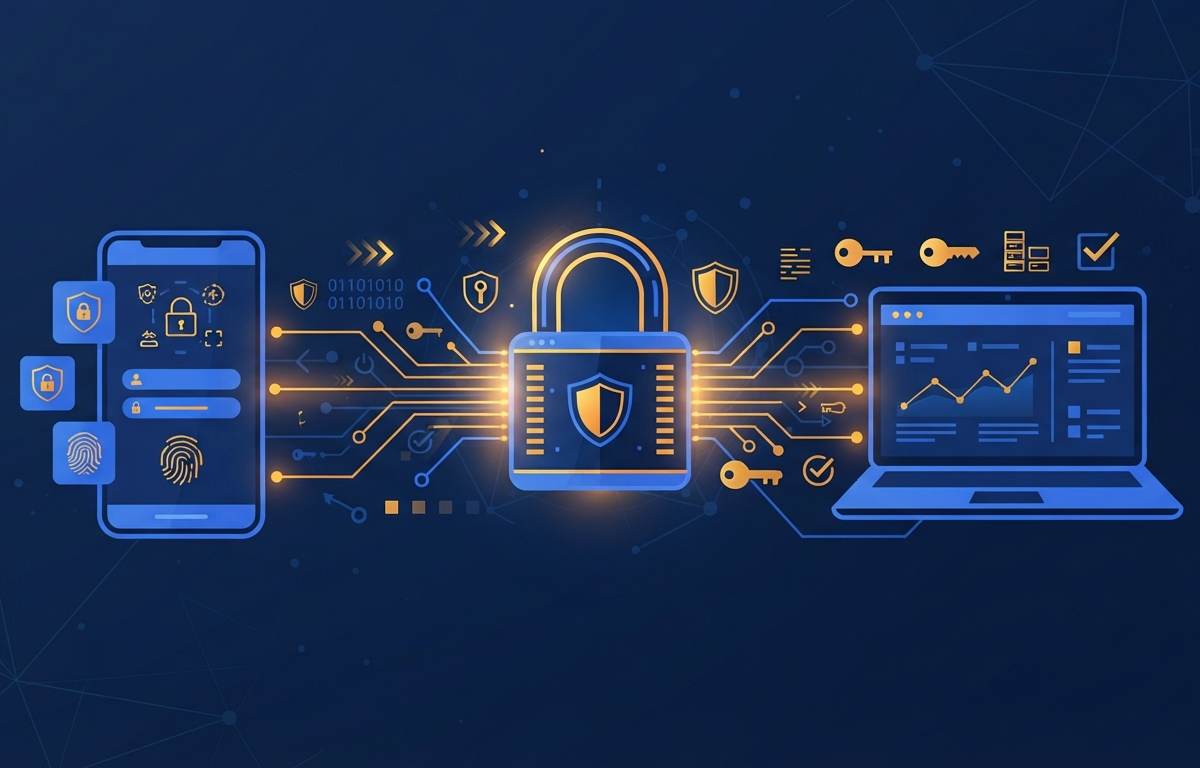
The global push toward a passwordless internet has encountered unexpected resistance as developers and cybersecurity professionals re-examine the practical shortcomings of passkeys. Built on the FIDO standard and championed by Apple, Google, and Microsoft, passkeys were designed to replace vulnerable passwords with cryptographic key pairs tied to biometric scans. While the underlying cryptography is virtually immune to phishing, the everyday user experience tells a far more complicated story of fragmentation and ecosystem lock-in.
At the core of the debate is the loss of user autonomy. Unlike traditional credential managers that work agnostically across platforms, passkeys are deeply embedded into proprietary mobile operating systems and browser ecosystems. Syncing credentials across different hardware ecosystems remains cumbersome, leaving users baffled when switching between personal smartphones and corporate workstations. When hardware is lost or reset, account recovery often defaults back to traditional email resets or SMS codes, exposing the fragile reality of hybrid security models.
For enterprise architects and product managers, this friction carries immediate commercial consequences. Online services that aggressively mandate passkeys often experience increased checkout drop-offs and higher customer support ticket volumes. When customers cannot seamlessly access their accounts across disparate devices, the perceived security upgrade quickly transforms into a customer retention liability. Digital trust relies as much on intuitive accessibility as it does on cryptographic strength.
In Oman and the wider GCC, where rapid digital transformation drives both public sector portals and burgeoning e-commerce platforms, these lessons are vital. As Omani enterprises modernize their consumer apps and enterprise software to support Oman Vision 2040 digital benchmarks, adopting passkeys should not be treated as a simple checklist item. Regional consumers frequently switch across multiple devices and expect effortless digital interactions, meaning organizations that eliminate password and one-time passcode alternatives prematurely risk alienating valuable users.
The strategic takeaway for Gulf business leaders is to pursue a phased, hybrid authentication architecture. Companies investing in custom mobile applications or customer-facing portals should implement WebAuthn standards as a premium, optional convenience rather than an exclusive requirement. Maintaining flexible, multi-factor fallbacks ensures operational resilience, safeguards conversion rates, and protects customer trust across every digital touchpoint.