
Software Longevity: Lessons in Building Resilient Digital Assets
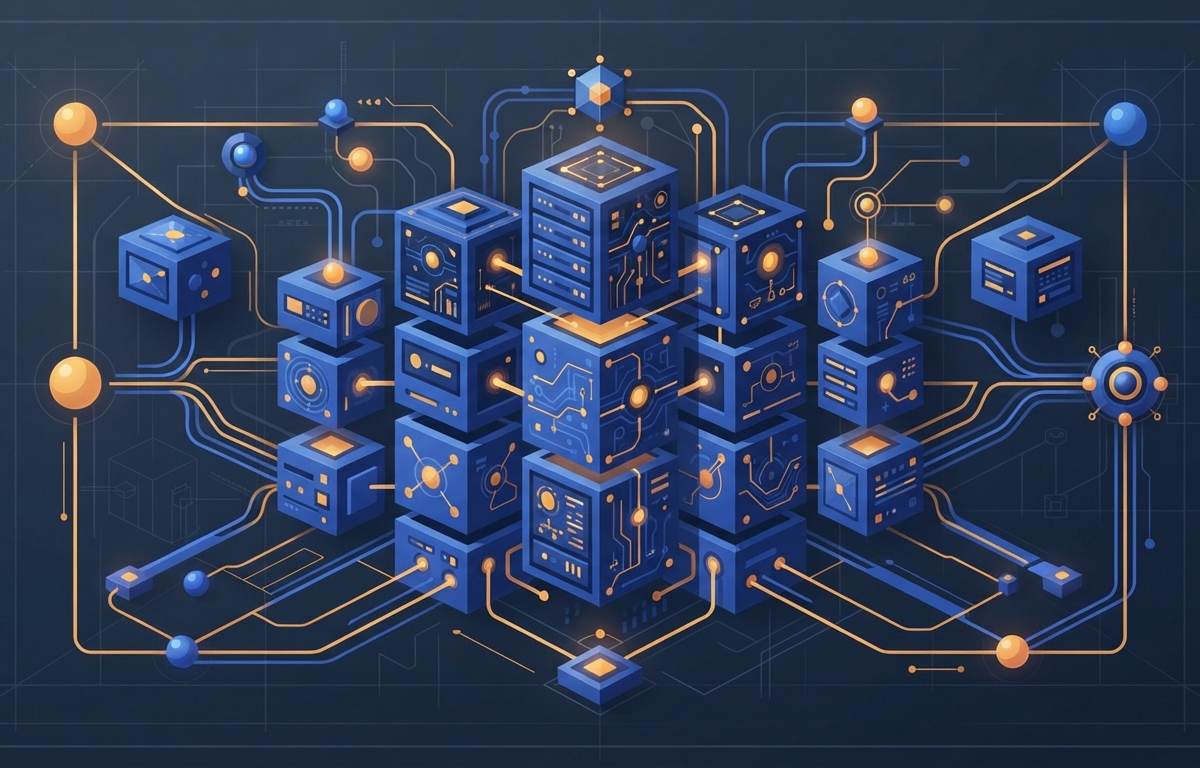
Reflecting on the evolution of software architectures from the mid-2000s to today reveals a critical lesson for modern business leaders. Early web experiments and custom utilities proved that systems built with simplicity, modularity, and security at their core outlast ephemeral digital trends and withstand decades of technological disruption.
Globally, enterprises are grappling with mounting technical debt caused by hasty software adoption. The race to integrate fast, off-the-shelf plugins and disposable tools often leaves organizations vulnerable to vendor lock-in, unpatched security vulnerabilities, and fragmented operational data. Sustainable growth requires treating software infrastructure as a foundational asset rather than a temporary utility.
Modern digital resilience demands a shift toward clean code, open data standards, and independent architecture. When companies maintain direct custody over their application logic and databases, they gain the agility to integrate modern artificial intelligence, workflow automation, and advanced analytics without rebuilding their digital foundations from scratch.
For enterprises and government entities across Oman and the GCC advancing toward Vision 2040, these architectural principles are vital. As regional businesses modernize customer service portals, logistics pipelines, and e-commerce platforms, relying on brittle third-party templates introduces compliance and performance bottlenecks. Investing in bespoke web and mobile applications tailored to local workflows ensures regulatory alignment, data sovereignty, and robust cybersecurity.
Decision-makers in the Sultanate should conduct systematic audits of their digital tools, retire redundant systems, and partner with experienced engineering teams. Prioritizing custom, maintainable digital architecture today protects operational continuity and ensures scalable efficiency for years to come.