
Repurposing Mobile Hardware Signals a Shift Toward Low-Power Edge Computing
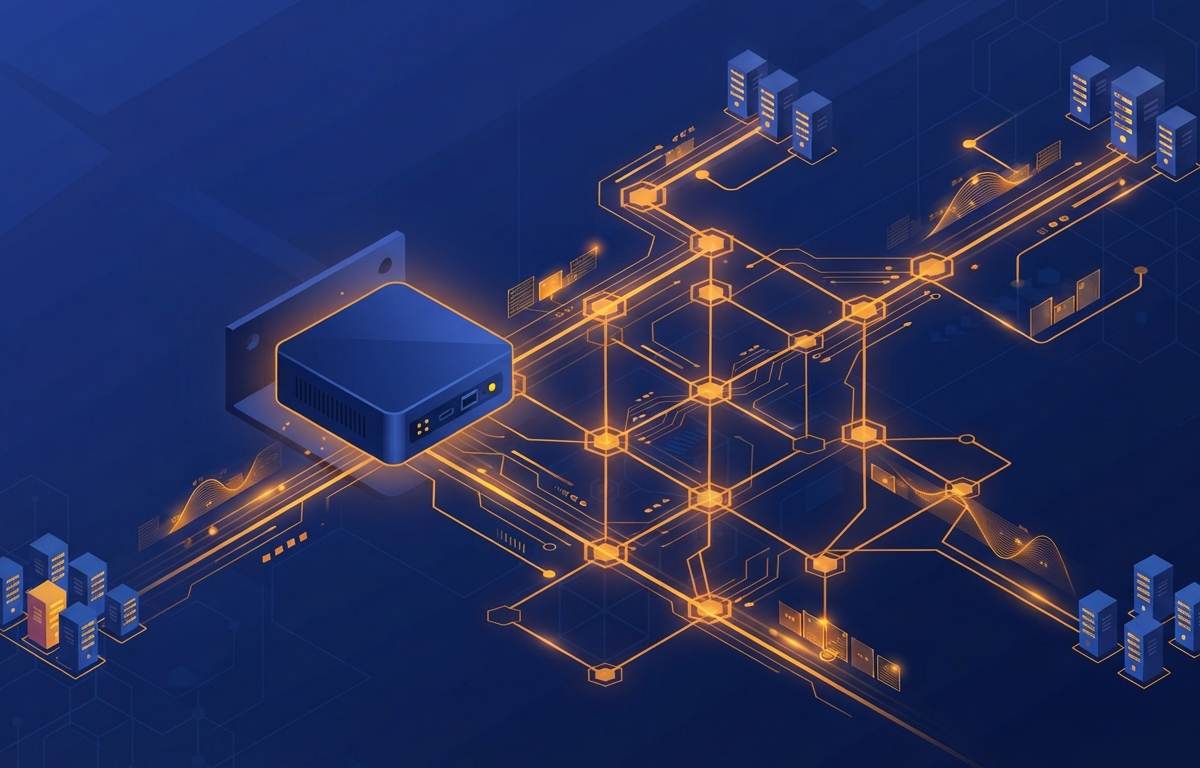
Developers and technology strategists are increasingly turning repurposed mobile hardware into localized, low-power servers. With built-in batteries acting as uninterruptible power supplies and integrated cellular modems providing persistent fallback connectivity, mobile chipsets present a surprisingly resilient hardware architecture for specialized, low-overhead computing tasks.
As global cloud infrastructure costs continue to rise, this trend highlights a broader industry shift toward edge computing. Modern System-on-Chip designs used in mobile devices offer remarkable energy efficiency, proving that many localized business applications, internal dashboards, and microservices do not require expensive, energy-intensive enterprise cloud instances.
While running core enterprise software on consumer hardware is not a long-term strategy for scale, the underlying architecture offers a clear lesson. Deploying compact, energy-efficient micro-servers close to where data is generated reduces latency, minimizes internet bandwidth consumption, and enhances overall operational independence.
In Oman and the wider Gulf region, where logistics hubs, smart agricultural farms, and remote industrial facilities are expanding rapidly under Vision 2040, this edge architecture offers compelling benefits. Localized micro-computing allows retail branches, remote oilfields, and utility sites to process sensor data and maintain critical operations locally without relying on uninterrupted connection to centralized cloud data centers.
For Gulf business owners and IT leaders, the key decision is to audit current cloud reliance. Replacing heavy cloud instances with lightweight, dedicated edge solutions for localized workflows can significantly trim monthly IT bills while delivering greater resilience against network outages.