
Regulatory Burden on Makers: Lessons for Gulf Tech SMEs
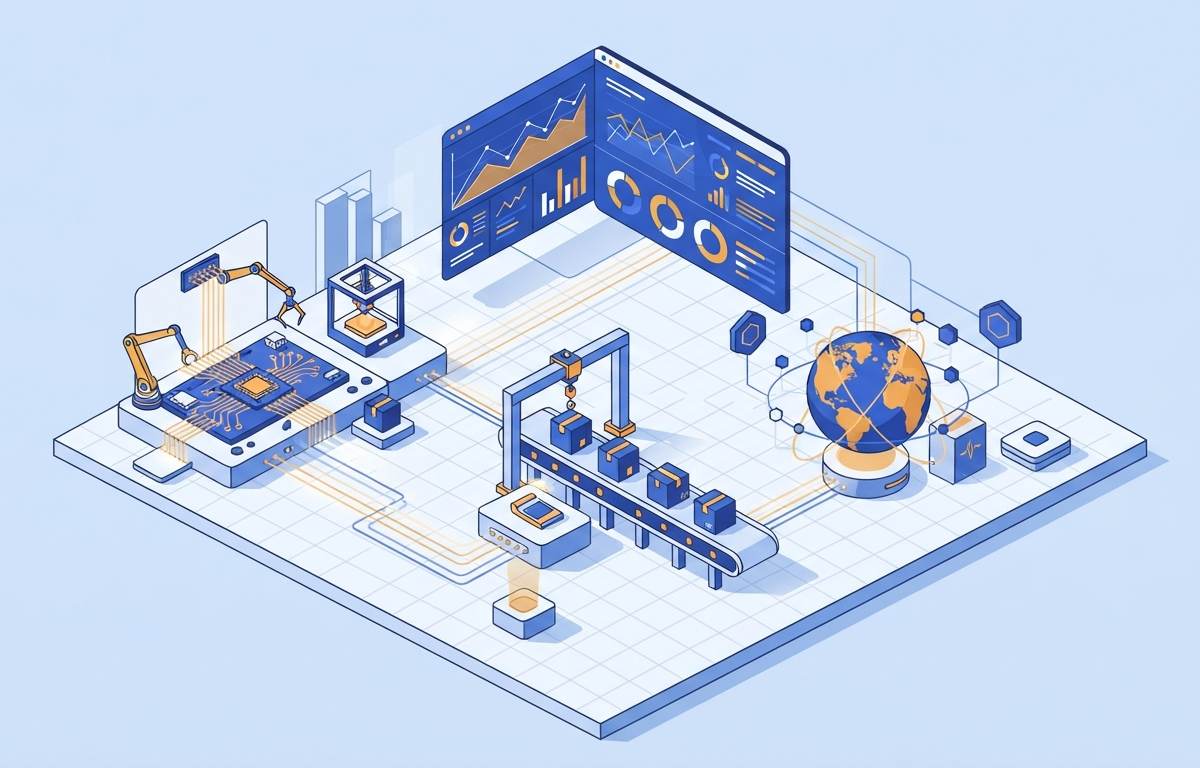
A growing wave of regulatory complexity across European markets is creating severe headwinds for independent makers, electronics creators, and micro-entrepreneurs. Sweeping compliance frameworks, ranging from the General Product Safety Regulation to intricate electronic waste and cross-border tax schemes, were primarily designed to hold multi-billion-dollar conglomerates accountable. In practice, however, these disproportionate bureaucratic requirements are forcing niche creators and hardware innovators to withdraw from global marketplaces entirely due to soaring legal and administrative overheads.
This trend illustrates the hidden danger of regulatory friction on decentralized innovation. When compliance costs scale linearly rather than proportionally to company revenue, smaller technology creators become collateral damage. Open-source hardware pioneers and boutique digital device makers cannot easily hire dedicated legal teams or pay thousands of dollars per market territory for product registries. As a result, the global pipeline for grassroots hardware innovation is suffering a substantial contraction.
To survive this shifting landscape, global digital sellers and small-scale manufacturers are increasingly relying on automated commerce stacks. Modern software automation, specialized cloud logistics hubs, and programmable compliance engines are emerging as vital defenses. By integrating automated tax calculation, localized safety data filing, and dynamic logistics routing into digital storefronts, forward-looking enterprises are mitigating the administrative burden that threatens manual workflows.
For Oman and the broader Gulf Cooperation Council, this situation provides a compelling strategic opportunity and an essential lesson. As the Sultanate accelerates economic diversification under Oman Vision 2040, cultivating home-grown industrial manufacturing, electronics design, and tech-driven SMEs is vital. Regional regulators have the unique chance to leapfrog legacy jurisdictions by designing frictionless, digital-first compliance frameworks that encourage local maker ecosystems rather than stifle them through burdensome bureaucracy.
For Gulf business leaders and e-commerce operators, the primary takeaway is the urgent need to future-proof operations through digital automation. Companies targeting cross-border trade must invest in integrated enterprise software, robust e-commerce platforms, and automated workflow pipelines. Building an agile, tech-enabled digital infrastructure ensures that local businesses can navigate international market barriers, capture underserved market niches, and sustain profitable regional expansion without being overwhelmed by administrative friction.