
Privacy-First Mapping: Why Organic Maps Matters for Gulf Businesses
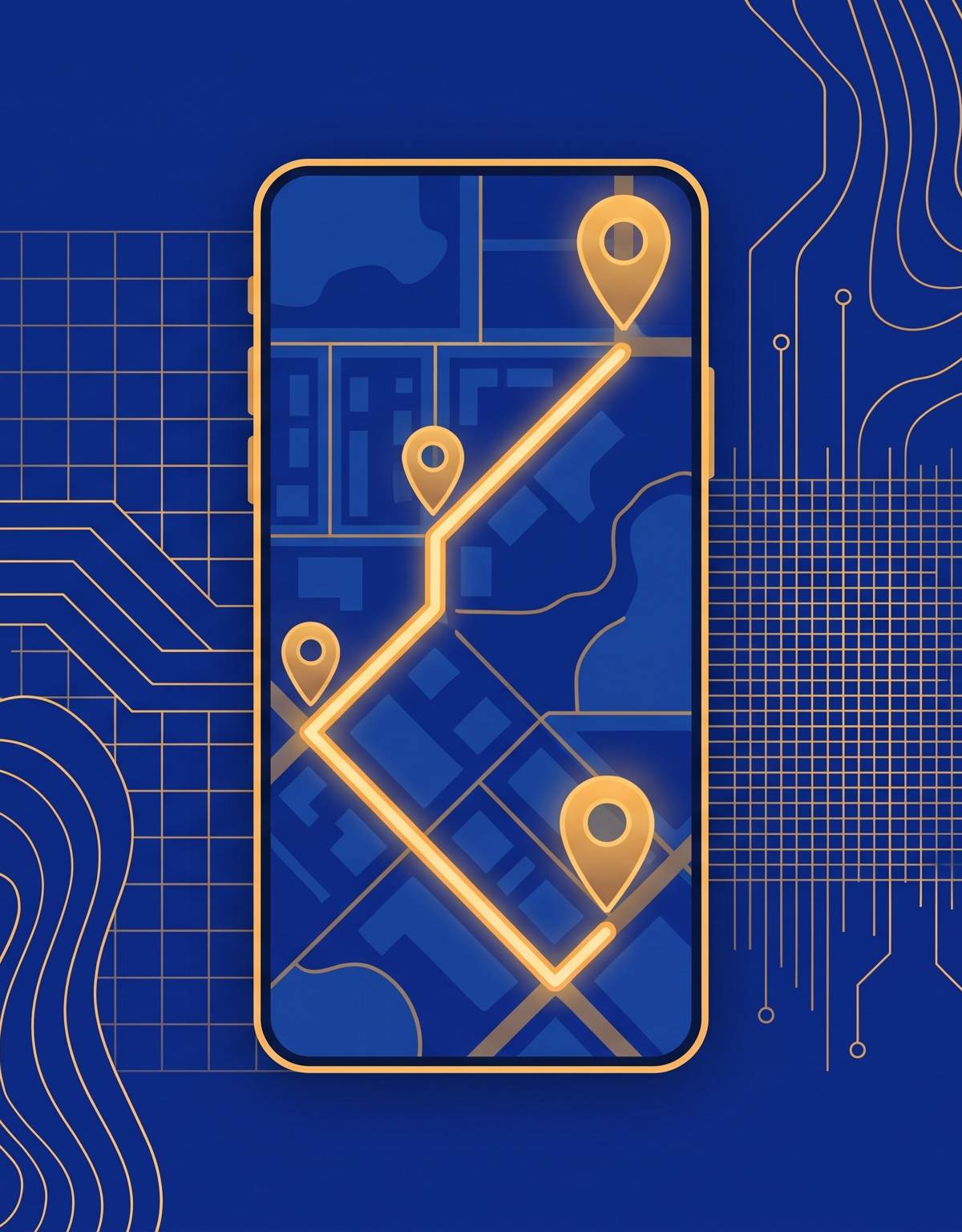
The digital mapping landscape is experiencing a quiet revolution, led by open-source alternatives like Organic Maps. As a privacy-centric, completely offline navigation application built on OpenStreetMap data, Organic Maps has gained rapid traction globally. Unlike proprietary mapping giants that rely on continuous user tracking and ad targeting, this platform operates entirely on the device, offering detailed routing, hiking trails, and search capabilities without requiring an active internet connection or collecting personal data.
Globally, this shift represents more than just a consumer preference for privacy. For enterprises and developers, the rising costs of proprietary map APIs have become a significant operational bottleneck. As big tech platforms tighten their licensing terms and increase API pricing, businesses worldwide are searching for sustainable, open-source alternatives that allow them to maintain control over their data and software budgets.
Beyond cost savings, the technical architecture of Organic Maps highlights the power of modern decentralized software. By downloading highly compressed vector maps directly to the device, the application ensures lightning-fast rendering and zero battery drain from background data transmission. This offline-first approach guarantees operational continuity in remote areas where cellular networks are unreliable or non-existent.
For businesses and government entities in Oman and the wider GCC, this technology opens up strategic opportunities aligned with Oman Vision 2040. Local logistics firms, food delivery startups, and tourism operators in places like the rugged terrain of Jabal Akhdar or during the Dhofar Khareef season can integrate open-source geographic data to build custom, highly reliable apps. By bypassing expensive proprietary mapping licenses, Omani startups can significantly lower their initial development costs while guaranteeing absolute data privacy for their customers.
Ultimately, the rise of open-source mapping serves as a practical reminder for decision-makers in the Gulf. Embracing open-source geographic information systems (GIS) and offline-capable applications is a highly effective way to secure data sovereignty, optimize cloud expenditures, and build resilient digital infrastructure that performs flawlessly across the region's diverse landscapes.