Nuclear Energy Returns to Europe: What it Means for Gulf Tech
In a historic policy shift, the Italian parliament has voted to begin laying the groundwork for the return of nuclear energy, decades after the country phased out its reactors following the 1986 Chernobyl disaster. Lawmakers backed a government motion to evaluate the deployment of advanced nuclear technologies, including small modular reactors, to help decarbonize heavy industry and achieve carbon neutrality goals.
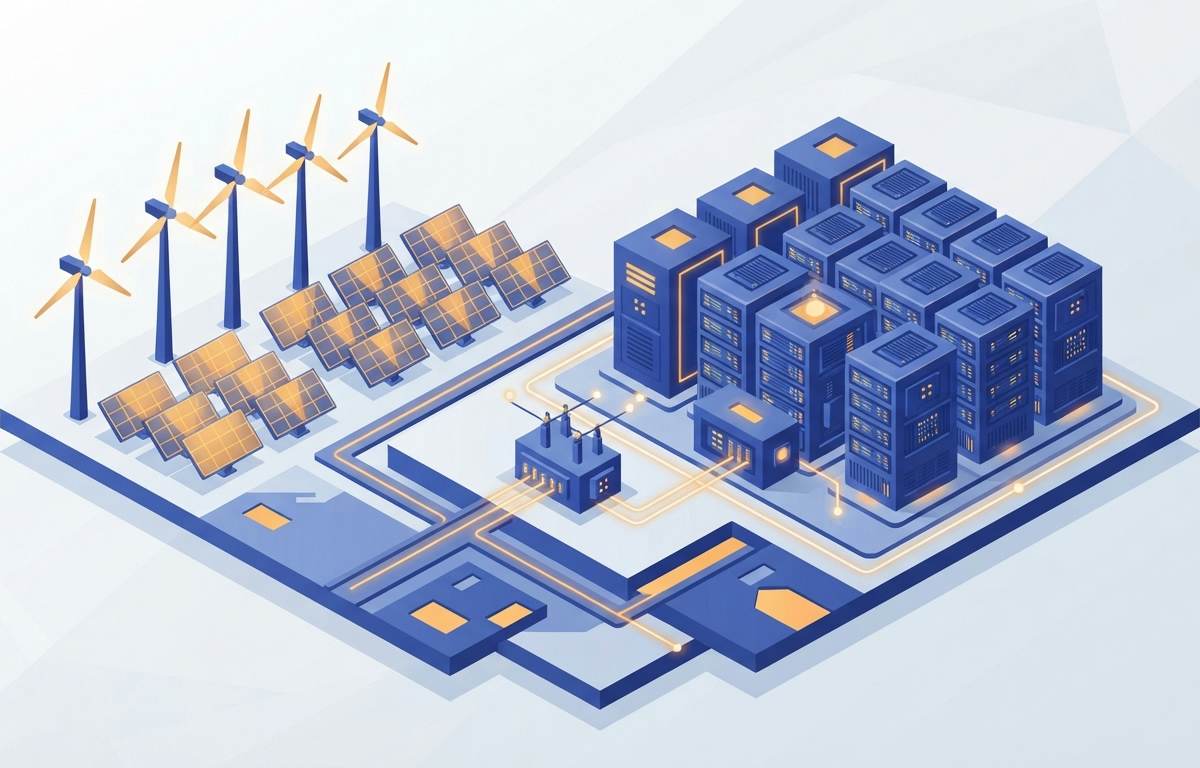
This decision reflects a broader reassessment sweeping developed economies. While intermittent renewables like wind and solar remain vital, the explosion of energy-intensive computing has created an urgent need for reliable, round-the-clock baseload electricity. The rapid expansion of artificial intelligence, high-performance computing, and enterprise cloud migration requires power grids that can operate at continuous capacity without generating carbon emissions.
Globally, the technology sector is becoming directly intertwined with clean energy infrastructure. Tech giants are increasingly forging long-term agreements with nuclear operators to power their hyperscale data centers. As generative AI models grow more computationally demanding, a country's ability to supply steady, green electricity is fast becoming the single most critical factor in attracting digital investment.
For Oman and the wider Gulf, this global development reinforces the strategic wisdom of the region's current energy diversification roadmap. With the UAE already operating the Barakah nuclear plant and Oman aggressively building out utility-scale solar and green hydrogen ecosystems, the GCC is uniquely positioned to become a global hub for sustainable AI infrastructure. Under Oman Vision 2040, investing in reliable, low-carbon power grids provides the essential foundation needed to attract sovereign data centers, host regional cloud services, and build advanced computational facilities.
For enterprise decision-makers and business owners in Oman, this transition brings an immediate practical takeaway: computing efficiency and energy management are now inseparable. Organizations can significantly trim operational expenses by modernizing their infrastructure, migrating inefficient legacy servers to managed cloud providers, and implementing automated IoT telemetry dashboards to monitor facility energy consumption in real time. Aligning business technology with clean, optimized power will be essential to staying competitive in the Gulf's rapidly evolving digital economy.