Mastering LLM Workflows for Enterprise Writing
As generative artificial intelligence matures, organizations worldwide are moving past the initial hype toward structured implementation. While early adoption often involved asking a chatbot for instantaneous, finished outputs, experienced professionals are discovering that the true value of large language models lies in iterative collaboration. Using an LLM effectively is not about generating automated volume; it is an exercise in rigorous prompt design, structured outlining, and critical editing where the human retains strategic control.
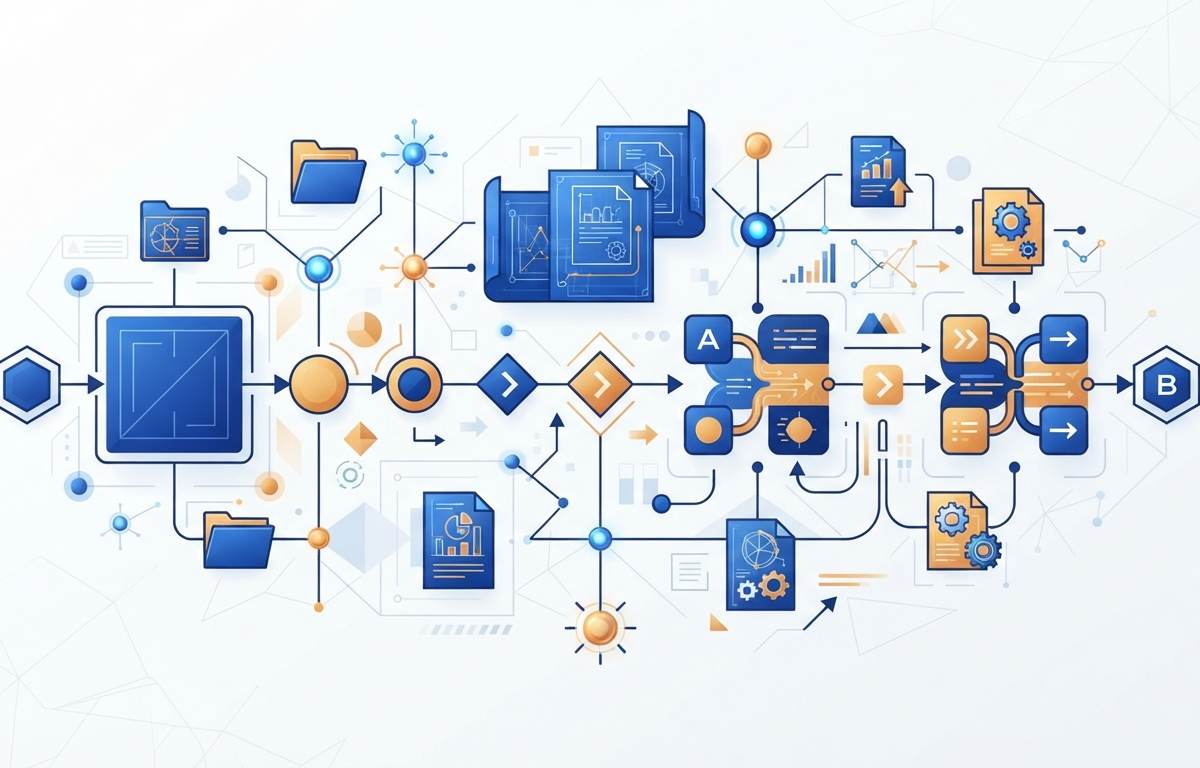
Globally, enterprise reliance on synthetic text has exposed a significant pitfall: generic, ungrounded prose that dilutes corporate credibility. When teams delegate full thinking to an algorithm, the output tends toward safe, repetitive cliches that fail to persuade stakeholders. The most productive technical leaders now treat language models as tireless research assistants and sounding boards. By feeding models precise context, demanding alternative structural outlines, and testing logic step by step, organizations preserve their original voice while slashing document creation cycles.
This shift toward disciplined human-in-the-loop workflows represents a fundamental operational upgrade across digital workplaces. Beyond customer support chatbots, the primary enterprise productivity gain comes from high-frequency internal drafting, such as standard operating procedures, technical documentation, market analyses, and policy reviews. Teams that master this collaborative dynamic gain an undeniable speed advantage without falling victim to factual hallucinations or compliance risks.
For businesses and government entities across Oman and the GCC, this operational methodology carries transformative potential. Under the digital mandates of Oman Vision 2040, small and medium enterprises must scale operations efficiently while maintaining rigorous bilingual corporate communications. Custom enterprise platforms integrated with vetted language models can dramatically accelerate the production of tender proposals, bilingual client memorandums, and compliance reports. Instead of outsourcing basic drafting, local teams can generate localized, culturally aligned drafts in seconds and refine them internally.
To capture these dividends, Gulf business leaders must invest in operational literacy rather than passive software licenses. Company leadership should establish clear internal guidelines on data privacy, contextual prompting, and editorial verification. By pairing customized workflow automation with rigorous human oversight, regional enterprises can elevate their analytical output, cut operational overhead, and thrive in an increasingly automated knowledge economy.