
Local-First Tech: Why Connected Devices Must Run Offline
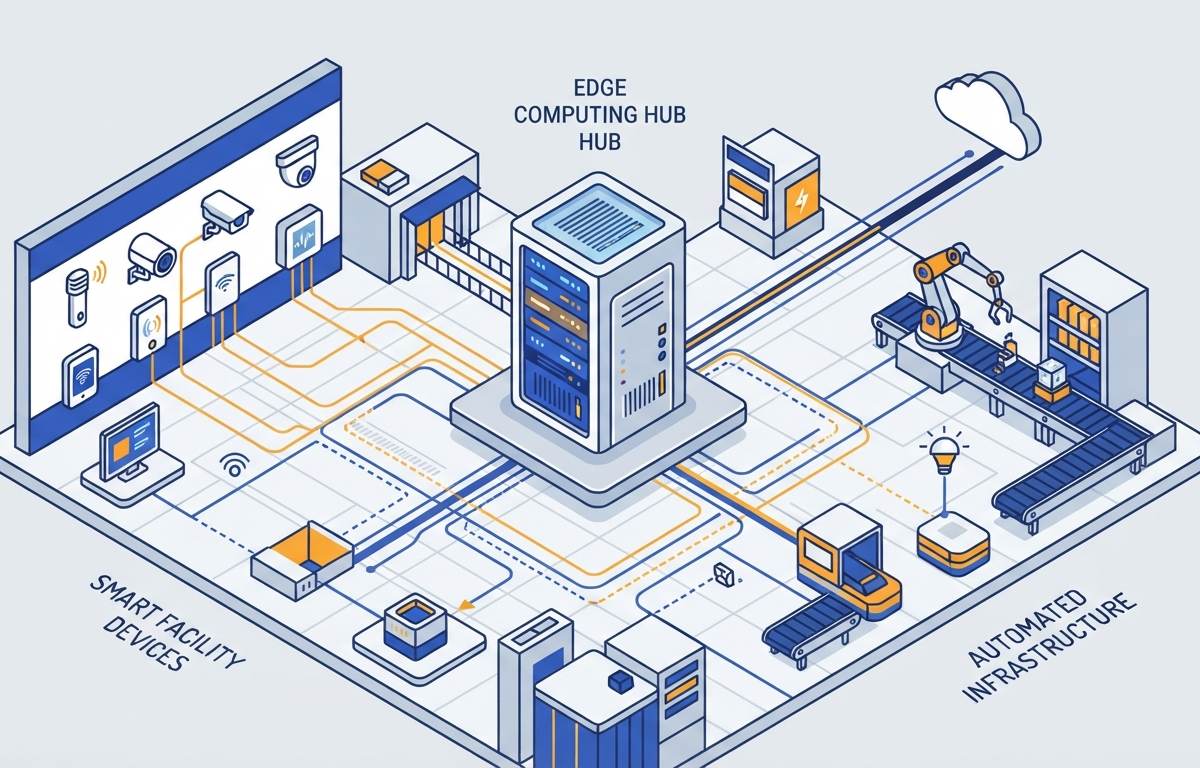
For years, the prevailing architecture in smart automation and connected hardware prioritized the cloud. Every command, sensor reading, and automated rule traveled through remote servers before triggering a physical action. While this model accelerated initial adoption and simplified hardware manufacturing, it introduced systemic vulnerabilities: high latency, vendor lock-in, recurring subscription fees, and complete operational failure whenever an external network connection dropped.
Engineering teams and enterprise architects are now leading a decisive shift toward local-first architectures. Under this approach, connected hardware processes logic, authenticates commands, and stores telemetry directly within the local network, treating the cloud as an optional synchronization layer rather than a single point of failure. This shift ensures sub-millisecond response times, airtight local privacy, and continuous reliability regardless of broadband performance.
Centralized cloud reliance introduces serious cybersecurity and governance risks. When automation platforms depend on external cloud endpoints, compromised third-party servers can expose internal corporate environments, smart facilities, and proprietary operations. Keeping automation logic on-premise or within edge computing nodes drastically shrinks the external attack surface. Furthermore, local execution prevents continuous streaming of sensitive environmental and operational data across international borders.
For businesses, government facilities, and logistics infrastructure across Oman and the GCC, this architectural shift carries profound strategic value. As organizations in Muscat and the wider region modernize commercial real estate, industrial facilities, and distribution hubs under Oman Vision 2040, relying entirely on foreign cloud servers for daily facility automation introduces unnecessary downtime risks. Deploying custom edge systems and resilient local networks ensures that critical functions like energy management, physical access, and warehouse sensors operate uninterrupted during regional fiber cuts or public internet outages.
Regional decision-makers should mandate local survivability in their digital transformation projects. Whether procuring automated workplace systems, developing custom operational applications, or retrofitting industrial sites, leadership must require that core business logic executes locally by default. Embracing edge-ready, hybrid architectures protects operational integrity, reduces recurring bandwidth expenses, and aligns directly with national data sovereignty standards.