
LinkedIn Job Scam Delivers Dangerous Backdoor to Corporate Networks
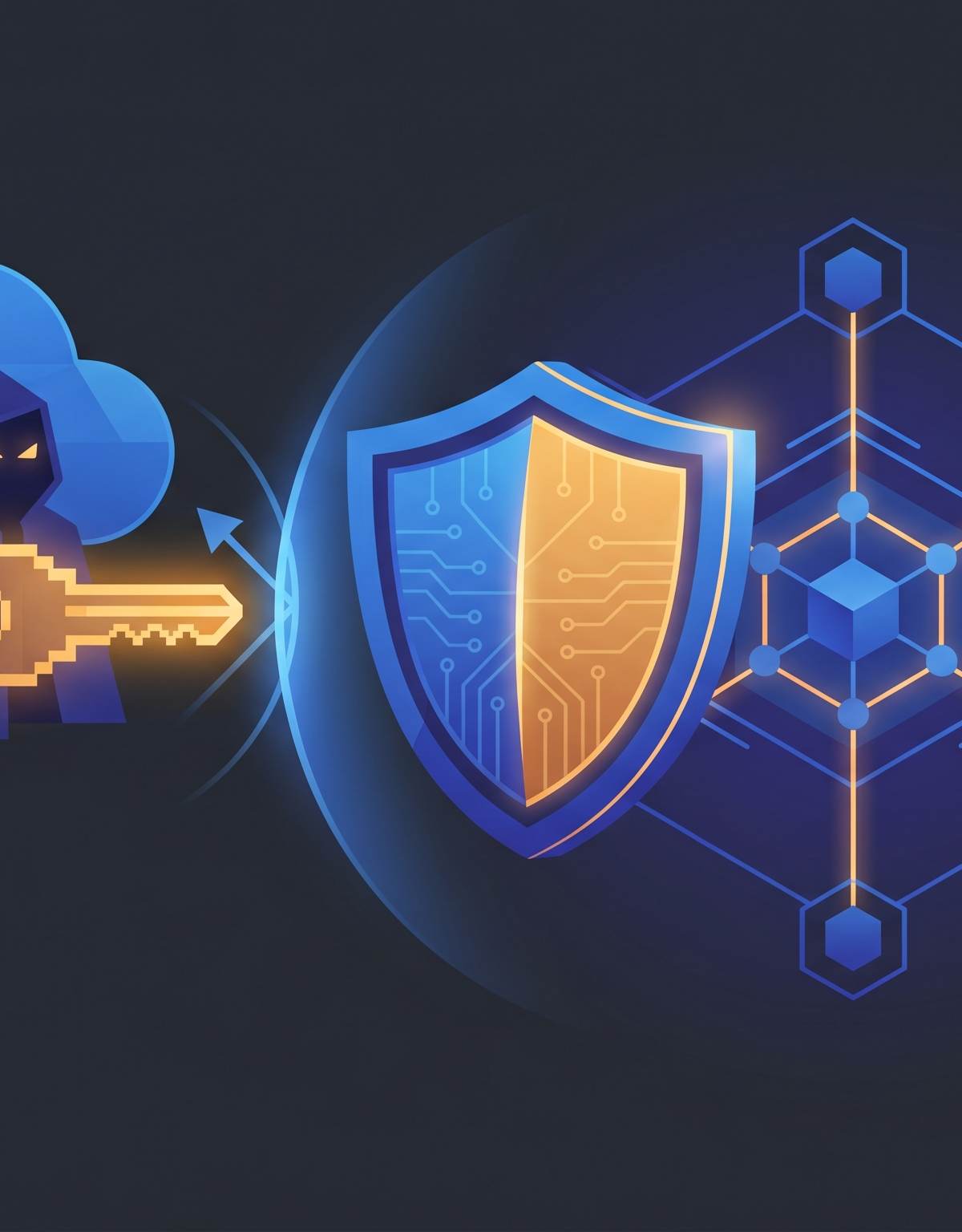
A recent cybersecurity investigation has revealed a highly targeted social engineering campaign operating actively on LinkedIn. Attackers are posing as recruiters, approaching high-value professionals with lucrative job offers, and delivering malware disguised as innocent PDF job descriptions or application files. Once opened, this backdoor allows hackers to gain complete control over infected corporate devices, bypass perimeter security, and access sensitive internal networks.
Unlike traditional email phishing, which is often caught by corporate spam filters, this attack leverages the built-in trust of LinkedIn. The malicious payload is typically hidden in a compressed archive containing a shortcut file disguised as a document. Once clicked, it silently executes command-line scripts to download and install a persistent backdoor, bypassing standard antivirus detection and leaving the victim unaware of the compromise.
This trend highlights a shifting global threat landscape where cybercriminals exploit trusted professional ecosystems. As organizations harden their email gateways, attackers migrate to social media platforms and direct messaging apps. The reliance on remote hiring and digital document sharing makes this vector highly lucrative for cybercriminals and extremely difficult to police without strict endpoint security and continuous monitoring.
For businesses, government entities, and startups in Oman and the wider GCC, this threat is particularly acute as the region rapidly digitizes under initiatives like Oman Vision 2040. Local HR departments and job-seeking executives are primary targets for these sophisticated campaigns. Relying solely on legacy firewall defenses is no longer sufficient; Omani enterprises must transition to zero-trust architectures and implement strict policies regarding file transfers from external platforms.
To mitigate this risk, decision-makers in the Gulf should implement automated document-sanitization technologies and conduct specialized social engineering training that covers professional networks, not just email. Investing in managed detection and response services can also help regional small and medium enterprises monitor endpoint anomalies in real-time, providing robust protection without the high cost of maintaining a large internal cybersecurity team.