
How AI and IoT Are Transforming Modern Elevator Systems
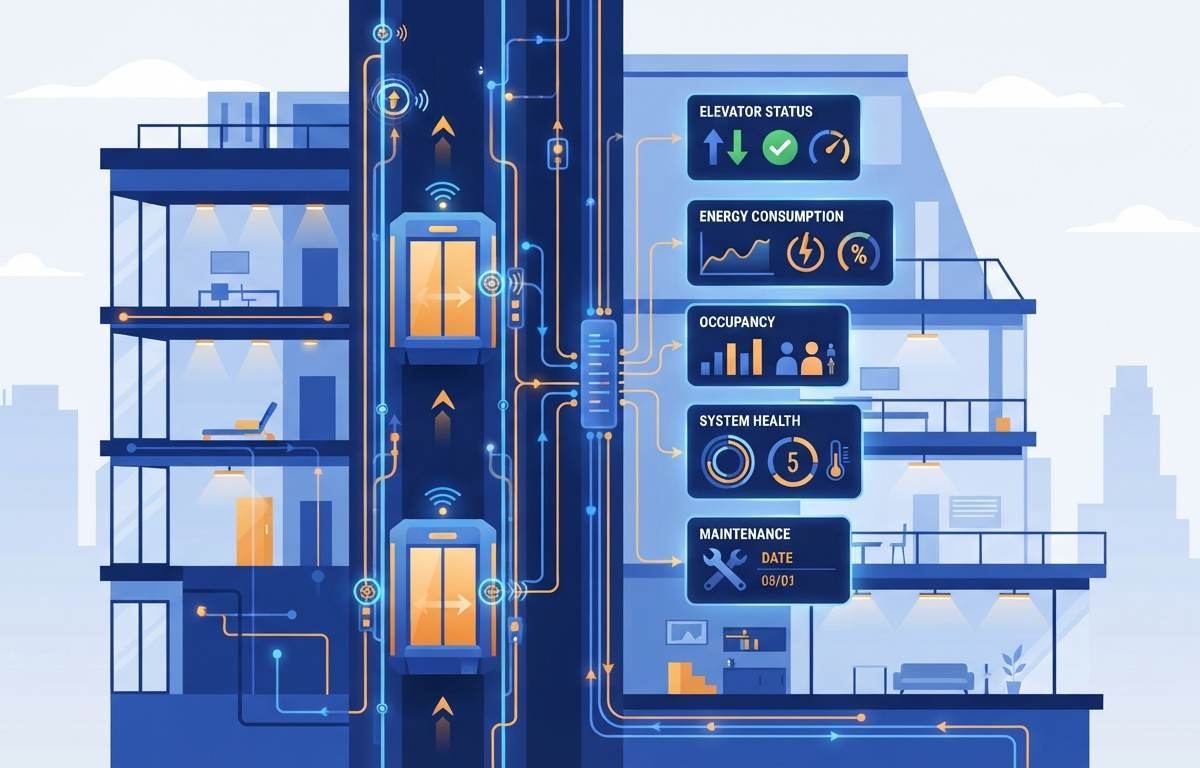
Elevator technology is undergoing a quiet revolution, transitioning from mechanical hardware into sophisticated software-driven nodes within smart buildings. Modern vertical transport relies heavily on destination dispatch algorithms, real-time sensor networks, and cloud-connected data analytics. By continuously measuring passenger traffic flow, door cycles, and motor performance, these systems dynamically route elevator cabs to minimize wait times and energy consumption.
The key driver behind this transformation is predictive maintenance powered by artificial intelligence and edge computing. Rather than relying on rigid schedule-based servicing, integrated IoT sensors monitor micro-vibrations, heat, and electrical draws to detect component wear before a failure occurs. This proactive approach significantly reduces unexpected downtime, extends machinery lifespan, and shifts building operations from reactive troubleshooting to structured, automated management.
Globally, commercial real estate developers and facility managers are realizing that smart vertical mobility directly impacts operational expenditure and tenant satisfaction. Energy-efficient regenerative drives, combined with intelligent traffic forecasting, allow large complexes to cut power usage substantially during off-peak hours. As urban environments grow denser, software optimization of existing physical infrastructure has become a cost-effective alternative to structural expansions.
In Oman and the wider Gulf region, where mega-developments, smart cities, and high-rise commercial hubs are expanding rapidly under initiatives like Oman Vision 2040, integrating IoT building automation is becoming essential. Local property managers, government infrastructure entities, and hospitality operators stand to gain massive efficiency by connecting elevator management systems into unified cloud dashboards. Custom facility management software and mobile apps allow Omani teams to track equipment health across multiple sites in real time, streamlining maintenance contracts and vendor management.
For business owners and facility decision-makers in the GCC, the takeaway is clear: digital transformation extends beyond corporate IT into physical asset management. Investing in automated monitoring and AI-driven predictive systems for core infrastructure reduces long-term operational risk and aligns facilities with regional sustainability goals. Transitioning to centralized operational dashboards is a high-ROI strategy that protects capital investments while enhancing everyday user experiences.