How $10 Micro-Hardware Proves the Power of Edge Computing
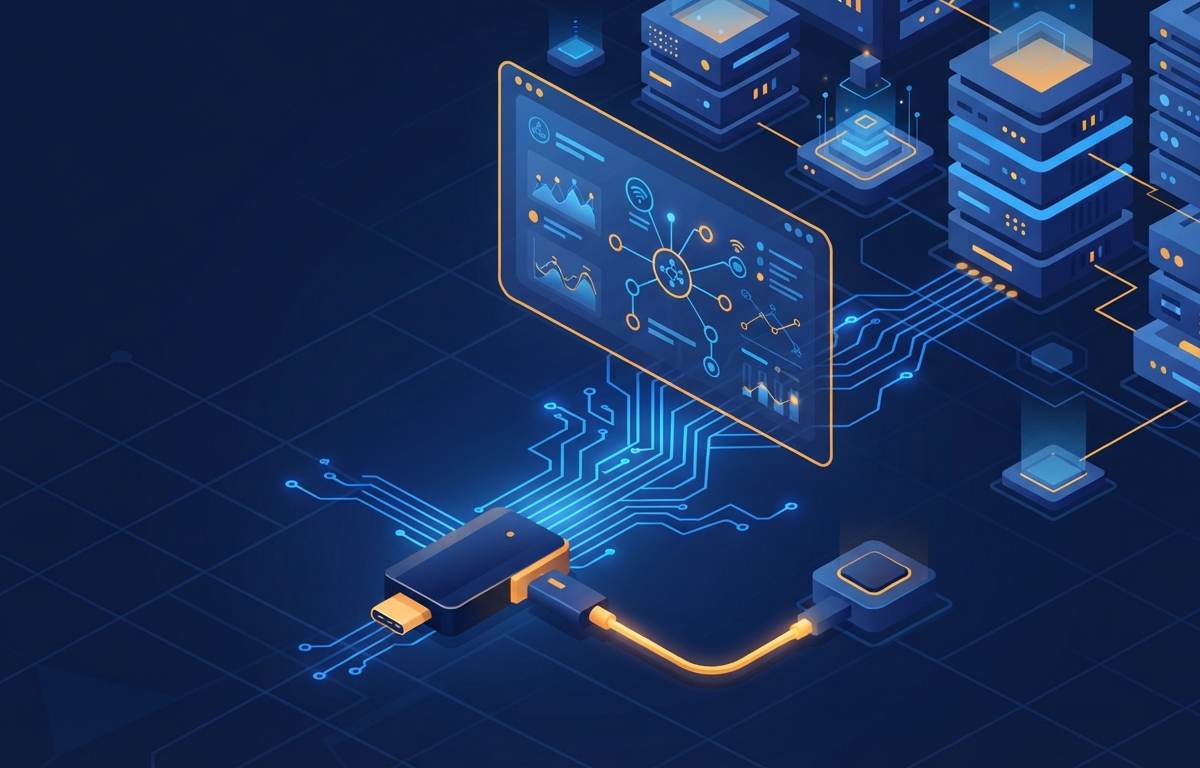
The recent viral showcase of running a functional Linux server on a repurposed ten-dollar 4G USB stick highlights a profound shift in modern computing. By unlocking discarded modem hardware into standalone micro-nodes, developers are demonstrating that robust automation, local telemetry, and network services no longer require enterprise-grade servers or hefty recurring infrastructure budgets.
Globally, this movement towards ultra-low-cost edge computing challenges the orthodoxy that every digital workload belongs in the centralized public cloud. Organizations are increasingly re-evaluating their architecture, recognizing that running lightweight monitoring tools, IoT relays, and localized microservices on micro-hardware drastically slashes latency, minimizes power consumption, and eliminates constant bandwidth expenses.
The underlying lesson extends far beyond DIY hobbyists; it signals a maturation of edge architectures where compute power is commoditized and accessible. When combined with lightweight Linux distributions and containerized applications, even the most budget-conscious organizations can deploy decentralized nodes that process data on-site before transmitting essential summaries to main management systems.
For enterprises and public sector initiatives across Oman and the GCC, this philosophy holds immediate practical relevance. As regional businesses modernize under Vision 2040, sectors such as smart agriculture in Al Batinah, remote logistics across Gulf transport corridors, and retail branch management often struggle with unstable connectivity or inflated cloud invoices for simple telemetry. Deploying localized edge micro-systems allows local operations to capture sensor data, automate facility controls, and maintain business continuity offline.
Omani business leaders and tech decision-makers should use this trend to reassess their digital infrastructure strategy. Rather than defaulting to expensive cloud subscriptions for every single operational task, companies can achieve substantial cost savings by pairing tailored edge automation with lightweight web portals and central dashboards, securing a resilient and budget-conscious digital ecosystem.