
Honoring Elise Cawley: The Mathematics Driving Modern AI
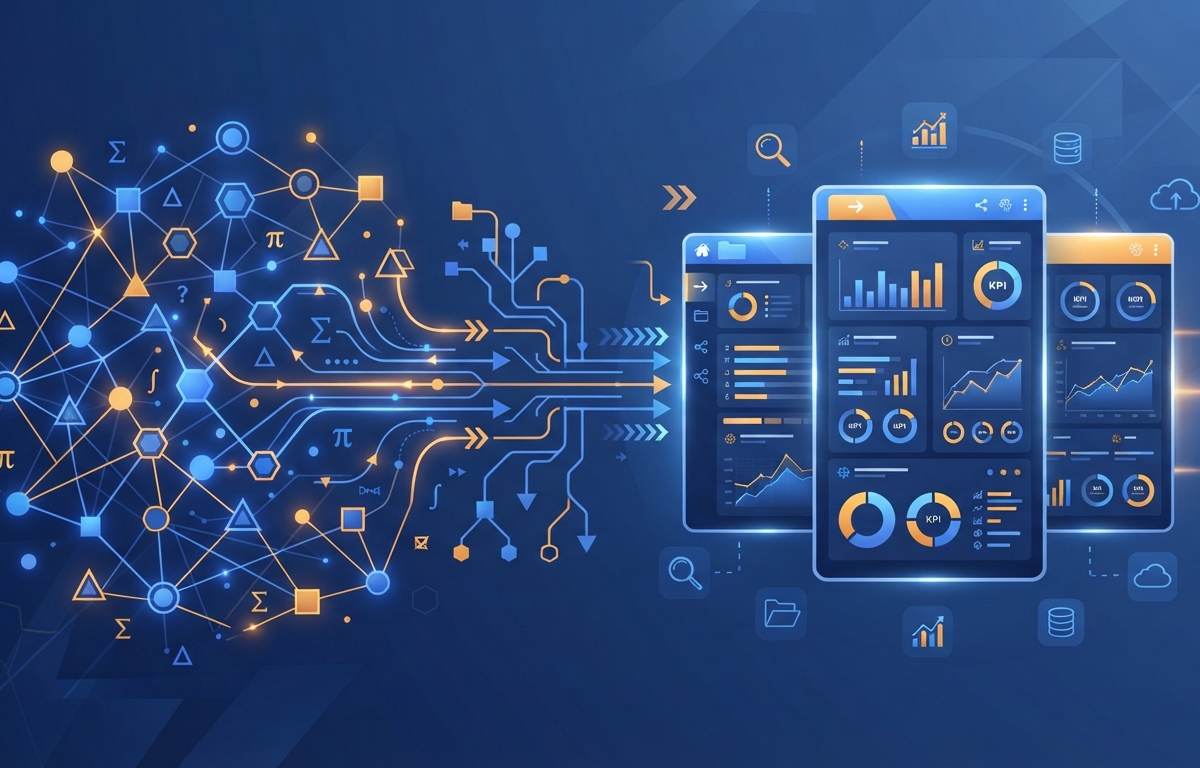
Stephen Wolfram, founder of Wolfram Research and creator of Mathematica, recently published a moving tribute to his late wife, Elise Cawley, honoring a 36-year intellectual partnership rooted in higher mathematics and computational science. Cawley, a distinguished mathematician, played a quiet yet fundamental role in fostering the theoretical concepts that underwire modern symbolic computation. Her passing serves as a poignant moment to reflect on the foundational scientific minds that built today’s technological landscape.
This milestone highlights an important reality: modern artificial intelligence engines and enterprise software platforms do not exist in a vacuum. Long before machine learning algorithms entered corporate boardrooms, computation relied on deep mathematical logic, structured data models, and precise symbolic frameworks developed by dedicated researchers. The intersection of pure mathematics and practical software engineering continues to power every digital interaction, from data dashboards to automated workflow systems.
Across the global tech ecosystem, leaders are realizing that sustainable software solutions require more than just polished user interfaces. Complex analytics engines, predictive customer models, and automated operational pipelines depend entirely on the strength of their underlying mathematical architecture. As organizations strive to deploy reliable AI tools, understanding data integrity and computational logic becomes paramount to avoiding algorithmic bias and system failures.
For enterprise leaders, government agencies, and startups across Oman and the GCC, this focus on technical foundations carries a crucial lesson for digital transformation under Oman Vision 2040. Investing in trendy AI chatbots or superficial digital tools without establishing clean, structured internal data pipelines often results in costly operational bottlenecks. Omani businesses must prioritize custom database architectures and structured workflows before deploying customer-facing automated systems.
To build resilient e-commerce platforms, web applications, and operational automation tools, regional businesses should focus on end-to-end data integration. Partnering with skilled software developers to build tailored backend solutions ensures that digital assets can scale smoothly while protecting sensitive business data. Sustainable digital growth in the Gulf ultimately depends on respecting the foundational engineering principles that make technology reliable.