
GitHub Outage Highlights Cloud Resilience Needs for GCC Businesses
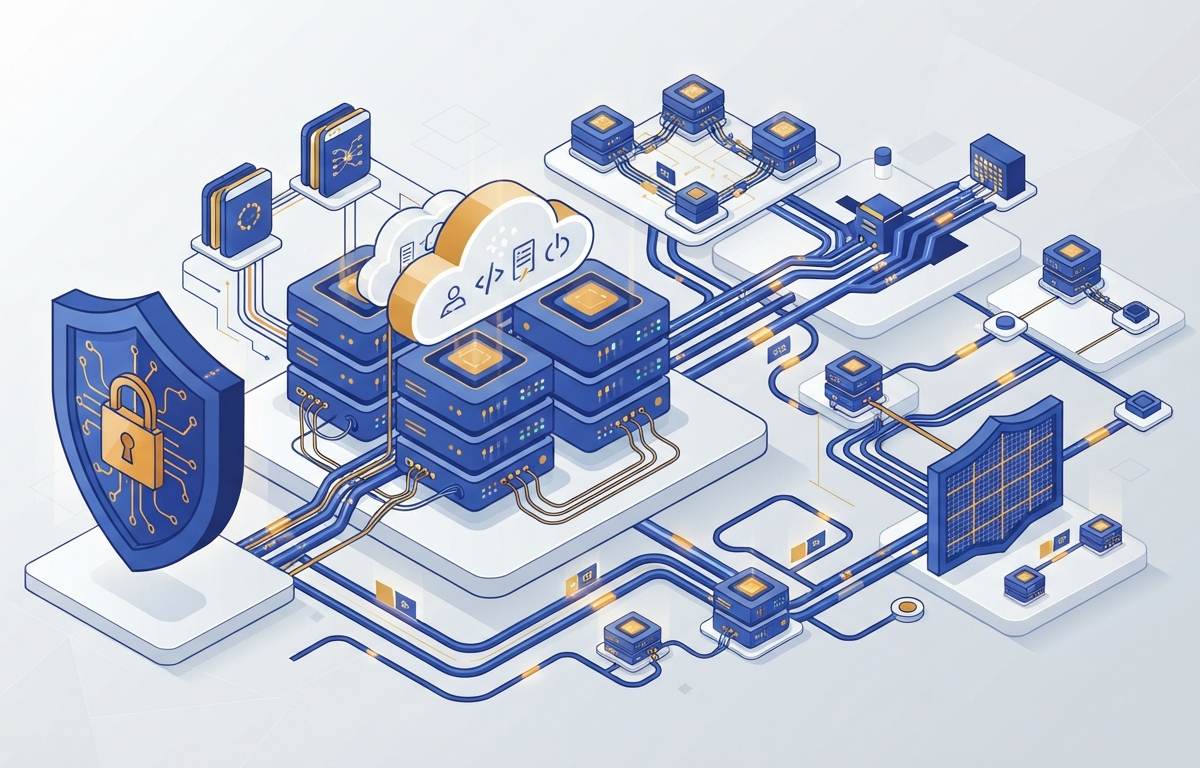
A widespread service disruption recently affected GitHub, the worlds premier platform for software development and collaboration. The incident disrupted core developer services, continuous integration and deployment pipelines, and repository access for engineering teams across global enterprises. While GitHubs technical teams moved swiftly to resolve the degraded performance, the temporary freeze halted product shipping, automated deployments, and release cycles for thousands of tech-driven companies worldwide.
The incident serves as an essential reminder of modern software ecosystems vulnerabilities. As modern enterprises increasingly rely on centralized Software-as-a-Service platforms for their critical development infrastructure, any unforeseen downtime creates immediate operational bottlenecks. The event highlights that high availability is not merely an IT consideration, but a foundational operational risk capable of stalling core digital operations across global markets.
For technology leaders, the disruption reinforces the necessity of proactive DevOps resilience. Relying solely on a single third-party provider for source code management and continuous integration introduces unexpected points of failure. Organizations worldwide are re-evaluating their dependency mapping, ensuring local caching mechanisms, offline build fallbacks, and multi-cloud redundancies are integrated into their daily software delivery lifecycles.
For businesses, government entities, and growing startups in Oman and the broader GCC, this incident delivers a timely and practical lesson. As regional organizations accelerate digital transformation initiatives aligned with Oman Vision 2040 and GCC economic diversification targets, software resilience must match software innovation. GCC enterprises managing internal development teams or digital commerce platforms cannot afford unmanaged downtime during crucial product release windows.
To safeguard operations, regional decision-makers should mandate robust business continuity protocols across digital assets. This includes implementing automated secondary code backups, deploying mirrored repository environments, and diversifying deployment pipelines across independent cloud zones. Partnering with established local digital engineering studios ensures enterprise architectures remain fault-tolerant, resilient, and continuously productive regardless of global cloud disruptions.