From Bits to Atoms: The Rapid Prototyping Revolution
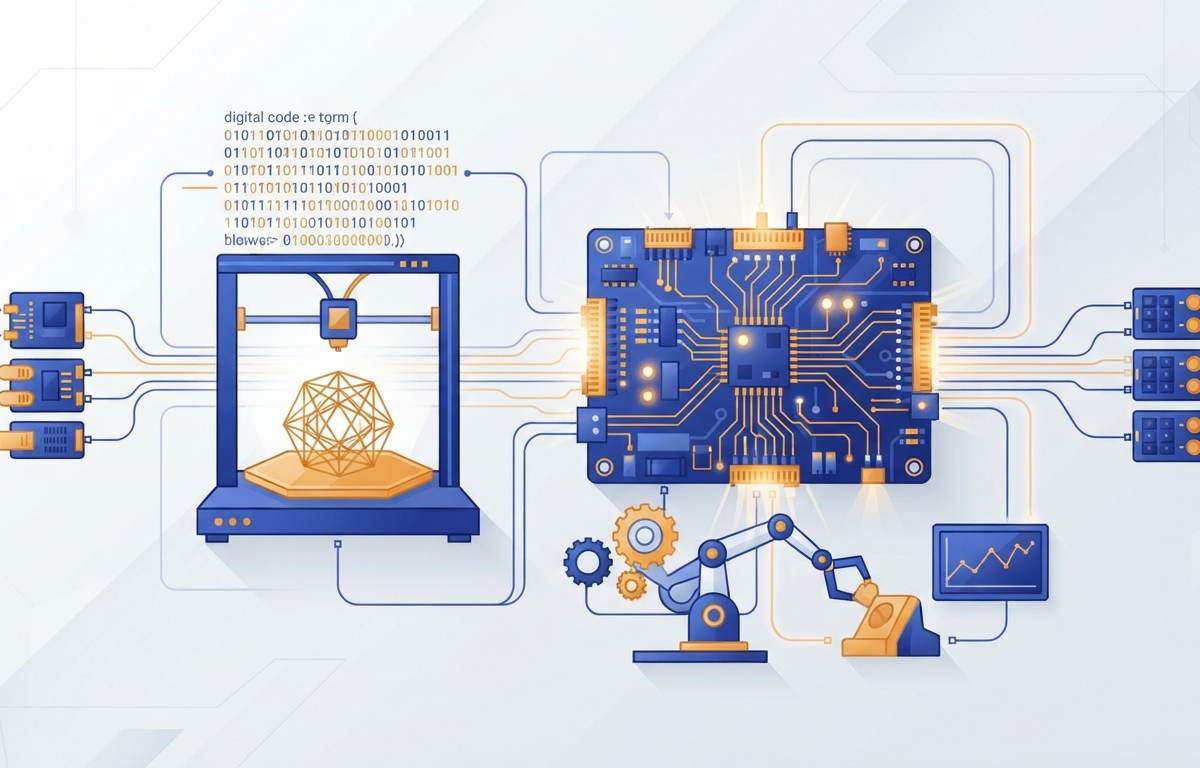
For decades, physical production required deep pockets, specialized tooling, and overseas supply chains with months of lead time. Today, the philosophy popularized by MIT's renowned program on digital fabrication is fundamentally shifting how organizations build tangible solutions. The convergence of computational design, additive manufacturing, embedded electronics, and open software stacks enables innovators to turn conceptual code into operational hardware within days rather than quarters.
This rapid prototyping shift is not just for university laboratories; it represents a seismic shift for modern business models. By bridging the digital and physical domains, enterprises can build smart IoT sensors, custom operational tools, and tailored hardware controllers in-house. When physical prototyping adopts agile software principles, product iteration becomes faster, less capital-intensive, and significantly lower risk.
Globally, forward-thinking enterprises are pairing digital fabrication with cloud analytics and AI automation. Rather than waiting for mass-market hardware solutions, engineering and operations teams can rapidly produce bespoke connected devices that feed real-time telemetry into enterprise resource dashboards. This tight feedback loop between physical sensing and digital management streamlines quality control, predictive maintenance, and supply chain tracking.
In Oman and across the Gulf, this capability directly supports the industrial and diversification priorities of Vision 2040. Local logistics hubs, manufacturing plants, and utility providers can circumvent long supply-chain disruptions by prototyping replacement components, specialized sensors, and automation modules locally. For regional startups, mastering digital fabrication removes traditional barriers to entry, enabling them to build sovereign, Gulf-made hardware and IoT products competitive on an international stage.
For Gulf business leaders and SMEs, the strategic takeaway is clear: do not treat hardware and software as separate worlds. Investing in agile digital prototyping, coupled with custom cloud dashboards and automated workflows, allows companies to solve unique operational bottlenecks economically. Organizations that cultivate rapid prototyping skills today will outpace competitors still tethered to rigid, legacy procurement cycles.