
Fake Claude AI Extension Exposes Dev Supply Chain Risks
The discovery of a backdoored extension posing as the official Claude Code integration on the Cursor marketplace has sent shockwaves through the global software engineering community. Security researchers revealed that the counterfeit package was crafted to harvest sensitive environment variables, private authentication tokens, and proprietary source code directly from developers workstations. By imitating a trusted AI developer tool, the threat actors effectively bypassed conventional scrutiny.
This incident represents an alarming escalation in software supply chain vulnerabilities. As development teams rapidly embrace AI-powered IDEs and third-party extensions to accelerate software delivery, cybercriminals are aggressively targeting developer tooling. Unverified extensions and open marketplace packages have become high-value vectors because developer environments frequently hold elevated permissions, direct database connections, and live deployment credentials.
Globally, this breach reinforces a critical reality for enterprise IT leaders: developer workstations are now prime targets for corporate espionage and data theft. Attackers understand that compromising an engineer's machine yields unfettered access to internal intellectual property and cloud infrastructure, rendering traditional network perimeter firewalls obsolete.
For enterprises, government agencies, and tech startups across Oman and the GCC, this attack provides an urgent operational wake-up call. As regional organizations accelerate their digital transformation initiatives under frameworks like Oman Vision 2040, both in-house engineering units and outsourced software vendors are adopting cutting-edge AI development tools at record speed. However, deploying unauthorized public marketplace add-ons without rigorous software supply chain vetting leaves vital enterprise systems exposed to severe operational disruption.
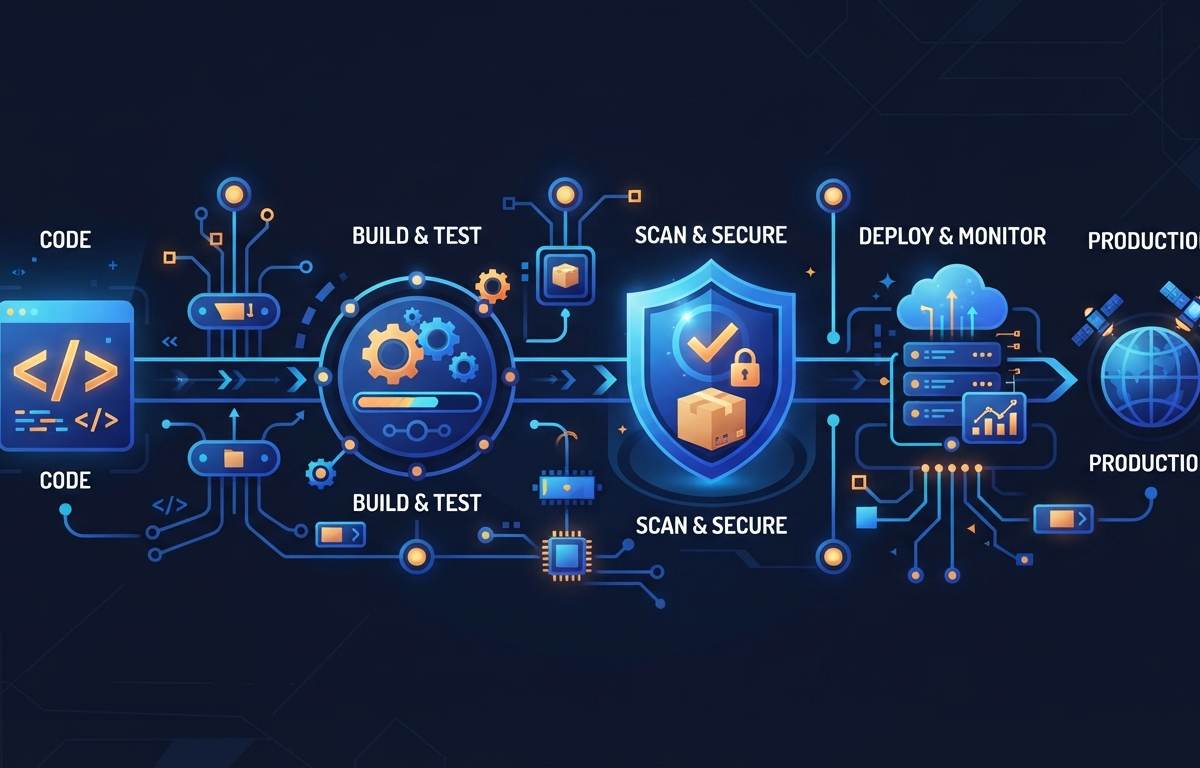
Business owners and IT directors in the Gulf must transition from passive trust to structured governance around modern developer environments. Organizations should immediately mandate private, vetted extension registries, implement automated secrets-scanning within continuous integration pipelines, and enforce zero-trust endpoint monitoring on developer hardware. Securing the development lifecycle is no longer merely an IT technicality, but an essential pillar of long-term business resilience in the Gulf's digital economy.