DeepSeek v4.1 Flash Cuts Costs for Enterprise AI

The release of DeepSeek v4.1 Flash marks another significant leap in the race toward high-speed, cost-effective artificial intelligence. Designed to deliver low-latency responses without sacrificing analytical precision, the new lightweight model builds upon the open architecture that has disrupted modern software engineering. By drastically cutting inference costs and memory requirements, it offers a pragmatic solution for production-grade digital deployments.
For enterprise software developers and IT leaders worldwide, this release addresses the primary barrier to generative AI adoption: continuous operational expenditure. While large frontier models demonstrate impressive analytical reasoning, their heavy infrastructure costs often make high-volume customer service, live document synthesis, and automated workflows commercially impractical. A focused, high-speed model provides the throughput required for interactive customer experiences where sub-second response times are paramount.
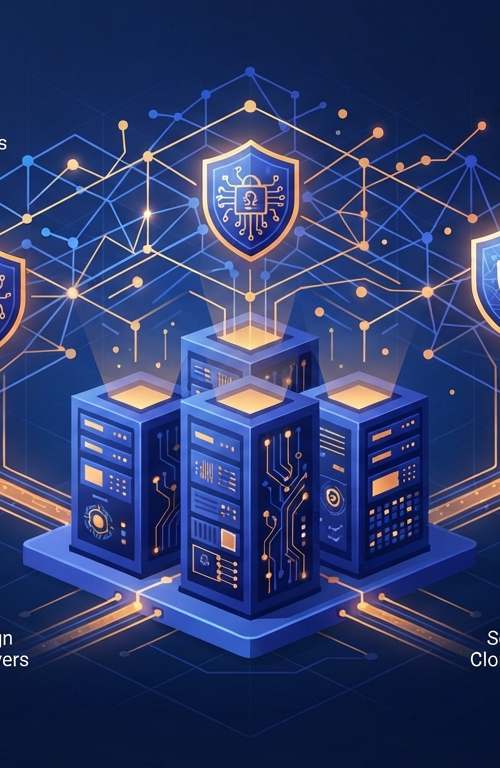
Beyond raw execution speed, the underlying architecture highlights an industry-wide pivot toward localized deployment and resource efficiency. Organizations can integrate lighter model parameters across private cloud environments or on-premise infrastructure, granting decision-makers stronger sovereignty and compliance control over proprietary enterprise data. This structural flexibility removes standard vendor lock-in and democratizes access to advanced automation.
In Oman and across the wider Gulf region, where enterprises and government bodies are accelerating digital transformation under Oman Vision 2040, DeepSeek v4.1 Flash presents immediate practical value. Local SMEs and public agencies frequently face high cloud service fees when attempting to deploy bilingual customer assistants, automated ticketing portals, or internal ERP copilots. High-performance, low-overhead models allow Omani organizations to launch sophisticated digital services at a fraction of the cost previously demanded by legacy tech providers.
For regional business owners and executives, the immediate takeaway is to evaluate existing manual workflows for cost-effective automation. Whether optimizing e-commerce support desks, streamlining logistics coordination in local ports, or digitizing administrative inquiries, deploying compact AI models turns digital transformation from an expensive aspiration into a profitable, day-to-day operational reality.