Coral Breakthrough Unlocks New Frontiers for Blue Tech
Marine researchers have uncovered a remarkable biological mechanism: severely bleached corals can recover within days simply by coming into direct physical contact with healthy neighbors. The study reveals that healthy corals actively share essential photosynthetic microalgae through touch, reviving damaged tissue at a pace previously thought impossible. Rather than relying on passive absorption from ambient seawater over months, this direct biological transfer acts as an emergency lifeline that dramatically accelerates ecosystem regeneration.
Globally, this breakthrough is transforming environmental conservation from passive observation into targeted, precision bio-engineering. As ocean temperatures rise, marine protection initiatives are moving toward active restoration strategies. To scale these findings, conservationists and environmental agencies are turning to advanced hardware and software solutions, including autonomous underwater vehicles, high-resolution computer vision, and specialized robotics designed to orchestrate and monitor micro-transplants on fragile reef beds.
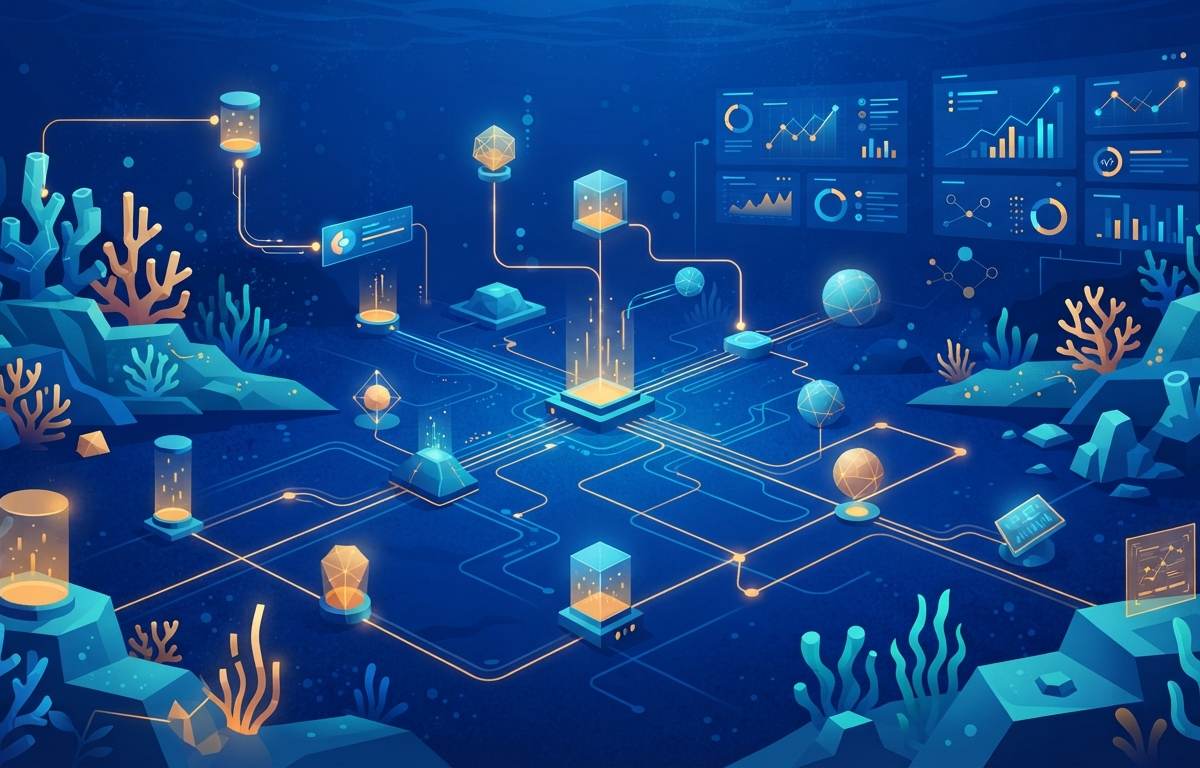
The implications for scalable technology are immediate. Monitoring micro-level coral health requires sophisticated sensor arrays, edge-computing devices capable of underwater data processing, and predictive environmental modeling platforms. Cloud-connected sensors can now alert environmental managers to bleaching events in real time, while computer vision algorithms assess reef coverage and prioritize zones where physical intervention and neighbor-grafting will yield the highest survival rates.
For Oman and the broader Gulf, this research holds profound economic and environmental relevance. Oman boasts more than three thousand kilometers of coastline and critical marine sanctuaries such as the Daymaniyat Islands, making marine preservation a vital pillar of the Sultanate's blue economy and eco-tourism goals under Oman Vision 2040. Regional government entities and eco-resorts have a compelling opportunity to deploy smart IoT marine sensors, drone mapping, and centralized data dashboards. These tools allow authorities to protect natural assets that directly support local fisheries, coastal infrastructure, and high-value sustainable tourism.
Beyond environmental stewardship, this discovery delivers a clear strategic lesson for Gulf enterprises: systemic resilience relies on deliberate, direct connections. Forward-thinking business leaders in Oman should look toward emerging ESG compliance mandates by integrating robust environmental analytics into their corporate strategies. By investing in digital monitoring infrastructure and adopting active cross-sector collaboration, regional organizations can safeguard both natural capital and long-term commercial value.